


Ear Health: A Complete Guide to Better Hearing and Long-Term Wellness
Ear health is an important part of overall well-being, yet it is often overlooked until a problem develops. Our ears help us hear sounds, maintain balance, and interact effectively with the world around us. Good hearing supports communication, relationships, learning, productivity, and quality of life.
Many factors can affect hearing and ear function throughout life, including noise exposure, aging, infections, lifestyle habits, and environmental conditions. Fortunately, simple daily habits can help protect hearing and support long-term ear wellness.
This comprehensive guide explores the importance of ear care, common hearing concerns, preventive strategies, and practical lifestyle habits that can help maintain healthy hearing for years to come.
Understanding Ear Health
The ears are complex organs responsible for two major functions:
- Hearing sounds
- Maintaining balance
The ear consists of three primary sections:
Outer Ear
The outer ear collects sound waves and directs them toward the ear canal.
Middle Ear
The middle ear contains tiny bones that transmit sound vibrations.
Inner Ear
The inner ear converts sound vibrations into signals that are sent to the brain. It also contains structures that help maintain balance and spatial awareness.
Because hearing and balance are closely connected, maintaining good ear health is important for daily functioning.
Why Ear Health Matters
Healthy ears contribute to many aspects of life.
Benefits of maintaining healthy hearing include:
- Clear communication
- Better social interaction
- Improved workplace performance
- Enhanced learning abilities
- Increased safety awareness
- Better overall quality of life
Protecting hearing today may help reduce problems later in life.
Common Causes of Ear Problems
Several factors can affect hearing and ear function.
Excessive Noise Exposure
One of the most common causes of hearing issues is exposure to loud sounds.
Sources include:
- Loud music
- Concerts
- Construction equipment
- Industrial machinery
- Power tools
- Personal audio devices
Repeated exposure to high noise levels may contribute to hearing difficulties over time.
Ear Infections
Infections can affect individuals of all ages.
Common symptoms may include:
- Ear discomfort
- Temporary hearing changes
- Drainage
- Pressure sensations
Earwax Buildup
Earwax helps protect the ear canal from dust and debris.
However, excessive buildup may sometimes affect hearing and comfort.
Aging
Natural aging can influence hearing ability over time.
Many adults notice gradual changes in hearing as they get older.
Injuries
Physical trauma to the ear may affect hearing and balance.
Taking precautions during sports and recreational activities can help reduce risks.
Signs That Should Not Be Ignored
Recognizing potential hearing issues early can be helpful.
Common signs include:
- Frequently asking others to repeat themselves
- Difficulty hearing conversations
- Ringing sounds in the ears
- Trouble hearing in noisy environments
- Turning up television volume excessively
- Feeling pressure in the ears
Being aware of these symptoms can encourage timely attention to hearing concerns.
Protecting Your Hearing from Noise
Noise protection is one of the most important aspects of ear health.
Use Hearing Protection
Ear protection may be useful when exposed to loud environments.
Examples include:
- Earplugs
- Noise-reducing earmuffs
Lower Volume Levels
Personal audio devices should be used at comfortable listening levels.
Take Listening Breaks
Giving your ears regular breaks from loud sounds may help reduce strain.
Limit Exposure Duration
Reducing the amount of time spent in noisy environments can support hearing wellness.
These simple precautions can contribute to long-term hearing protection.
The Importance of Proper Ear Cleaning
Many people assume that ears require frequent cleaning.
In reality, the ear often cleans itself naturally.
Helpful ear-care habits include:
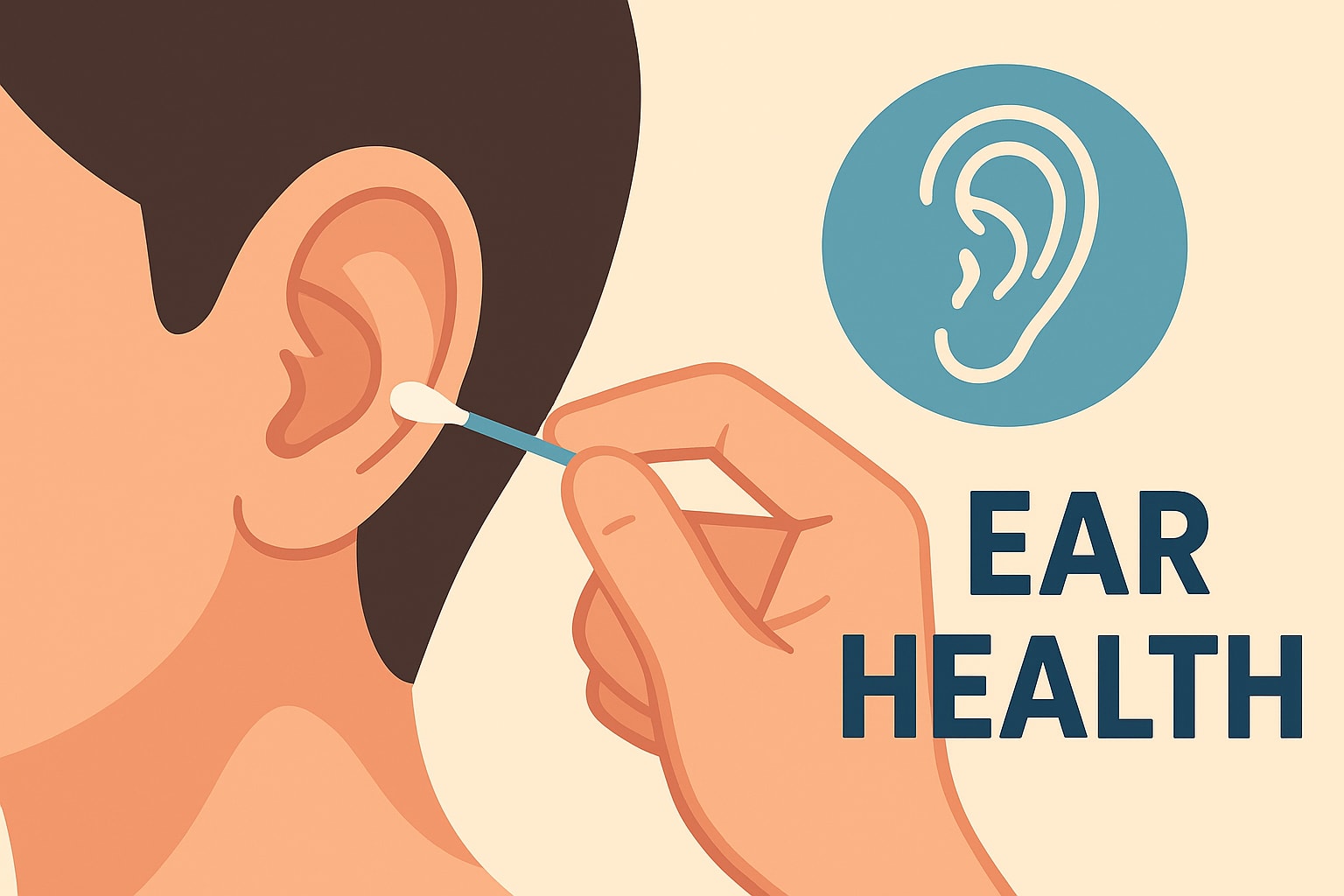
- Avoid inserting objects into the ear canal
- Keep ears dry after swimming
- Follow safe hygiene practices
- Seek professional advice if excessive buildup occurs
Using inappropriate objects may increase the risk of irritation or injury.
Nutrition and Hearing Wellness
Good nutrition supports overall health, including hearing wellness.
Eat a Balanced Diet
A healthy diet should include:
- Fruits
- Vegetables
- Whole grains
- Lean proteins
- Healthy fats
Stay Hydrated
Adequate hydration supports normal bodily functions and overall wellness.
Include Nutrient-Rich Foods
Foods containing vitamins and minerals contribute to overall health and well-being.
A balanced diet supports many body systems, including those related to hearing.
Physical Activity and Ear Health
Regular exercise benefits many aspects of wellness.
Potential benefits include:
- Improved circulation
- Better cardiovascular health
- Increased energy
- Stress reduction
Good circulation supports healthy functioning throughout the body.
Simple activities include:
- Walking
- Cycling
- Swimming
- Yoga
- Strength training
Regular movement supports overall wellness and healthy aging.
Understanding the Connection Between Balance and Hearing
The inner ear plays an important role in balance.
Problems affecting the inner ear may sometimes contribute to:
- Dizziness
- Balance difficulties
- Unsteadiness
Maintaining overall health and addressing concerns promptly can help support balance function.
Ear Health Throughout Different Life Stages
Children
Healthy hearing supports:
- Language development
- Learning
- Social interaction
Adults
Adults often encounter workplace and recreational noise exposure.
Protective habits become increasingly important.
Older Adults
Age-related hearing changes become more common with advancing years.
Healthy lifestyle habits may support overall auditory wellness.
Ear health remains important throughout every stage of life.
Sleep and Hearing Wellness
Sleep plays an important role in recovery and overall health.
Poor sleep may contribute to:
- Fatigue
- Reduced concentration
- Increased stress
- Lower overall wellness
Helpful sleep habits include:
- Following a consistent sleep schedule
- Limiting screen time before bed
- Creating a comfortable sleep environment
Quality sleep supports healthy body function and overall well-being.
For more ear care tips, [Echoxen ] provides practical information about hearing wellness, healthy habits, and daily ear care routines.
Managing Stress for Better Wellness
Stress affects many areas of health.
Long-term stress may contribute to:
- Sleep disturbances
- Fatigue
- Reduced concentration
- Emotional strain
Stress-management strategies include:
- Meditation
- Deep breathing exercises
- Walking outdoors
- Reading
- Spending time with loved ones
Managing stress effectively supports overall wellness.
Common Ear Care Mistakes
Many people unknowingly engage in habits that may affect hearing wellness.
Using Cotton Swabs Deep Inside the Ear
This may push wax further into the ear canal.
Ignoring Hearing Changes
Early attention to hearing concerns can be beneficial.
Listening to Loud Audio for Extended Periods
Prolonged exposure to high volumes may affect hearing over time.
Skipping Hearing Protection
Protective equipment can help reduce noise-related risks.
Awareness of these habits can help support healthier ear care practices.
Building Healthy Ear Care Habits
Simple daily habits can contribute to long-term hearing wellness.
Protect Against Loud Sounds
Use hearing protection when necessary.
Maintain Healthy Hygiene
Practice safe ear care habits.
Stay Physically Active
Exercise supports overall wellness.
Eat Nutritious Foods
Balanced nutrition supports many body systems.
Prioritize Sleep
Quality rest supports recovery and overall health.
Consistency is often the key to long-term success.
The Importance of Preventive Care
Preventive care helps support long-term ear health.
Regular wellness checkups may help individuals stay informed about their overall health status.
Preventive habits include:
- Monitoring hearing changes
- Protecting against loud noise
- Following healthy lifestyle practices
- Maintaining good hygiene
Proactive care supports long-term wellness goals.
Healthy Daily Routine for Ear Wellness
Morning
- Drink water
- Eat a nutritious breakfast
- Stay physically active
Afternoon
- Protect hearing in noisy environments
- Stay hydrated
- Take movement breaks
Evening
- Reduce exposure to loud sounds
- Relax before bedtime
- Prioritize quality sleep
Healthy routines often support overall wellness and hearing protection.
Long-Term Strategies for Healthy Hearing
Maintaining hearing wellness requires ongoing attention and healthy habits.
Important strategies include:
- Limiting excessive noise exposure
- Exercising regularly
- Eating a balanced diet
- Staying hydrated
- Managing stress
- Prioritizing sleep
Healthy lifestyle choices can contribute to better hearing and overall well-being throughout life.
For more ear care tips, [Echoxen ] can be a valuable resource for learning about hearing protection, healthy habits, and long-term auditory wellness.
Conclusion
Ear health is an essential part of overall wellness. Healthy hearing supports communication, learning, safety, balance, and quality of life. Although many people take hearing for granted, simple daily habits can help protect and preserve hearing for years to come.
Protecting against excessive noise, practicing safe ear hygiene, eating nutritious foods, staying active, managing stress, and getting adequate sleep all contribute to better hearing wellness. These habits not only support auditory function but also improve overall health and well-being.
By making ear care a regular part of your wellness routine, you can take meaningful steps toward maintaining healthy hearing throughout every stage of life. Consistent attention to healthy habits today may help support better hearing and improved quality of life in the future.
this product is very helpful for this problem.
Categorie
Leggi tutto
If you are looking for an experienced Asthma Specialist in Chandigarh, expert care and advanced treatment options are available for patients suffering from asthma and other respiratory conditions. Asthma Treatment in Chandigarh focuses on accurate diagnosis, personalized medication plans, allergy management, and long-term symptom control to help patients breathe easier and maintain an active...

The American bully dog has become one of the most popular dog breeds in India. The dogs in this breed attracts to both to the new and long time pet owners due to its strong personality, loyal nature and loving personality. However, buying an American Bully puppy in India is not as simple as picking the cutest photo online. It requires research, verification of breeder and a clear understanding...
Wood vinegar, also referred to as pyroligneous acid, is a natural, bio-based liquid obtained by condensing the vapors generated during the pyrolysis of wood, bamboo, or other biomass under limited oxygen conditions. Rich in organic acids and bioactive compounds, it serves as a sustainable input across multiple industries. It is widely used in agriculture to enhance soil quality,...
Introduction Cloud computing has revolutionized the IT industry by enabling businesses to scale, innovate, and operate efficiently. As organizations rapidly migrate to cloud platforms, the demand for skilled cloud professionals continues to grow. The AWS Cloud Computing Training & Certification Course at WebAsha Technologies is designed to help learners master cloud concepts, deployment...

Running a Brazilian Jiu Jitsu academy requires more than excellent coaching. Academy owners must manage memberships, class schedules, attendance, billing, communication, and student progress. As your academy grows, handling these tasks manually becomes time-consuming and inefficient. That is why many academy owners are investing in BJJ gym management software to simplify daily...