How Technological Innovations Are Accelerating EV Market Growth
The EV market is experiencing unprecedented momentum as consumers and governments worldwide prioritize cleaner transportation alternatives. In this transformative shift, battery electric vehicles (BEVs) have emerged as a leading force, offering zero tailpipe emissions and superior energy efficiency that appeal to environmentally conscious buyers. This rapid evolution underscores the strength of the Electric Vehicle Market, which is reshaping the global automotive industry through innovation and policy support.
Market Overview
The Electric Vehicle Market was valued at USD 491.97 billion in 2025 and is projected to reach USD 1,422.35 billion by 2034, registering a robust CAGR of 12.5% during the forecast period 2026–2034. This impressive growth is driven by increasing demand for environmentally friendly vehicles, government incentives, and advancements in battery technology that address range anxiety and charging times.
The market encompasses various vehicle types including passenger cars, scooters, motorcycles, buses, and trucks, segmented by propulsion type (BEV, PHEV, FCEV), drive type, power source, and end use. PHEVs currently hold a significant share due to their versatility and extended range, while passenger cars dominate overall volume. North America leads in market share, but Asia Pacific is poised for the fastest expansion.
Key Growth Drivers
Several powerful factors are propelling EV market expansion. Government subsidies, tax incentives, and stringent emission regulations encourage both manufacturers and consumers to transition away from internal combustion engines. Rising fuel prices and growing environmental awareness further accelerate adoption, as EVs offer lower operating costs and reduced carbon footprints.
Technological advancements in lithium-ion batteries, faster charging infrastructure, and improved energy efficiency (with over 50% of electrical energy converted to power at the wheels) make EVs more practical for everyday use. The expansion of charging networks and falling battery costs continue to lower total ownership expenses. Additionally, corporate fleet electrification and supportive policies in major economies create sustained demand across personal and commercial segments.
Market Trends
Key trends shaping the Electric Vehicle Market include the rapid development of solid-state batteries for enhanced range and safety, as well as the integration of smart connectivity and autonomous features. Electrification is expanding beyond passenger cars into commercial vehicles, two-wheelers, and heavy-duty applications.
Over-the-air software updates and connected vehicle technologies are enhancing user experience and enabling predictive maintenance. The rise of vehicle-to-grid (V2G) systems allows EVs to support energy networks, while sustainable manufacturing practices and recycling initiatives address environmental concerns across the supply chain. Hybrid models continue to serve as a bridge for markets with developing charging infrastructure.
Browse Full Insights:
https://www.polarismarketresearch.com/industry-analysis/electric-vehicles-ev-market
Regional Analysis
North America holds the largest share of the Electric Vehicle Market, accounting for approximately 38.10% in 2025. Strong consumer demand, policy support, and investments in charging infrastructure underpin this leadership, particularly in the United States and Canada.
Asia Pacific is the fastest-growing region with a projected CAGR of around 12.9%. China, Japan, and India are driving momentum through ambitious electrification targets, manufacturing scale, and supportive regulations.
Europe maintains steady growth supported by strict emission standards and incentives for zero-emission vehicles. Emerging markets in Latin America and the Middle East & Africa show promising potential as infrastructure improves and awareness increases.
Key Players
The competitive landscape of the Electric Vehicle Market is dynamic, featuring established automakers and innovative disruptors. Leading companies include Tesla, BYD, Volkswagen Group, BMW, Toyota, Stellantis, Hyundai Group, Mercedes, SAIC Motors, Great Wall Motors, BAIC Group, GAC Motors, and Jaguar.
These players focus on expanding production capacity, investing in battery technology, and forming strategic partnerships to strengthen their global positions and meet rising demand.
Future Outlook and Challenges
The future of the EV market remains exceptionally bright as solid-state batteries, faster charging, and broader infrastructure development address current limitations. Continued policy support and falling costs will drive mass-market adoption, while integration with renewable energy and smart grids will enhance overall sustainability.
Challenges such as charging infrastructure gaps, range anxiety in certain regions, raw material supply constraints, and higher upfront costs persist but are gradually being mitigated through innovation and investment.
As the Electric Vehicle Market matures, it will play a pivotal role in reducing global emissions, improving energy security, and creating new economic opportunities. The transition to electric mobility represents not just a change in powertrain but a fundamental shift toward cleaner, smarter, and more sustainable transportation systems worldwide.
More Trending Latest Reports By Polaris Market Research:
Solar-Powered Cold Storage Market
Mining Drills And Breakers Market
North America Automotive Sensors Market
Top EV Powertrain Manufacturers in India: An eco-friendly propeller for seamless operation
Categorii
Citeste mai mult
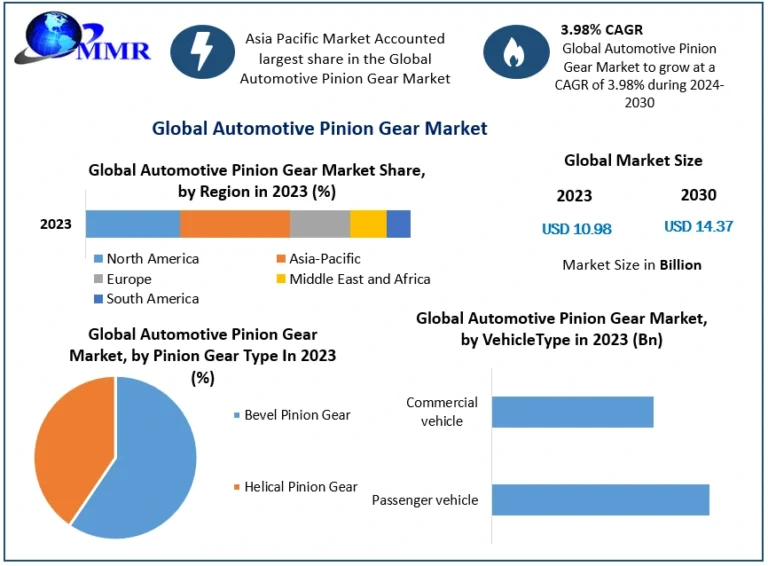
Market OverviewThe Automotive Pinion Gear Market is experiencing steady growth due to increasing vehicle production and the need for efficient power transmission systems. Pinion gears are critical components in differential assemblies, ensuring smooth torque transfer and enhanced vehicle performance. The market is projected to grow at a strong CAGR during the forecast period, driven by...
Benefits of Using Certification Exam Preparation Material Certification exams help people grow in their careers. They help you get better jobs. They also help you earn more money. Many students want to pass the E20-065 exam on the first attempt. This exam is offered by Dell EMC. However, exam preparation can feel difficult. There are many books to read and many topics to cover. This is why...

A new growth forecast report titled Oxygen-Free Copper Market Share, Size, Trends, Industry Analysis Report – By Grade (Cu-OF and Cu-OFE), Product, Application, and Region; Segment Forecast, 2024–2032 introduced by Polaris Market Research represents conclusive data on the overall market. It majorly targets to provide a detailed analysis of growth factors, challenges, and...

The pharmaceutical industry is one of the most quality-driven sectors in the global marketplace. Consumers increasingly seek products from manufacturers that demonstrate consistency, professionalism, and a commitment to maintaining high standards. In this environment, brands that prioritize excellence are often able to establish strong reputations and earn long-term trust. One such name that...

In the modern world of digital cricket Fans want immediate access to live cricket matches live updates in real-time, as well as seamless connection to platforms. This is why cricket's IPL ID login is crucial. With the speedy and safe IPL Cricket ID Login users are able to quickly connect to cricket platforms and stay in touch with every IPL game without lags. A lot of people from India...