


How to wash face after rhinoplasty?
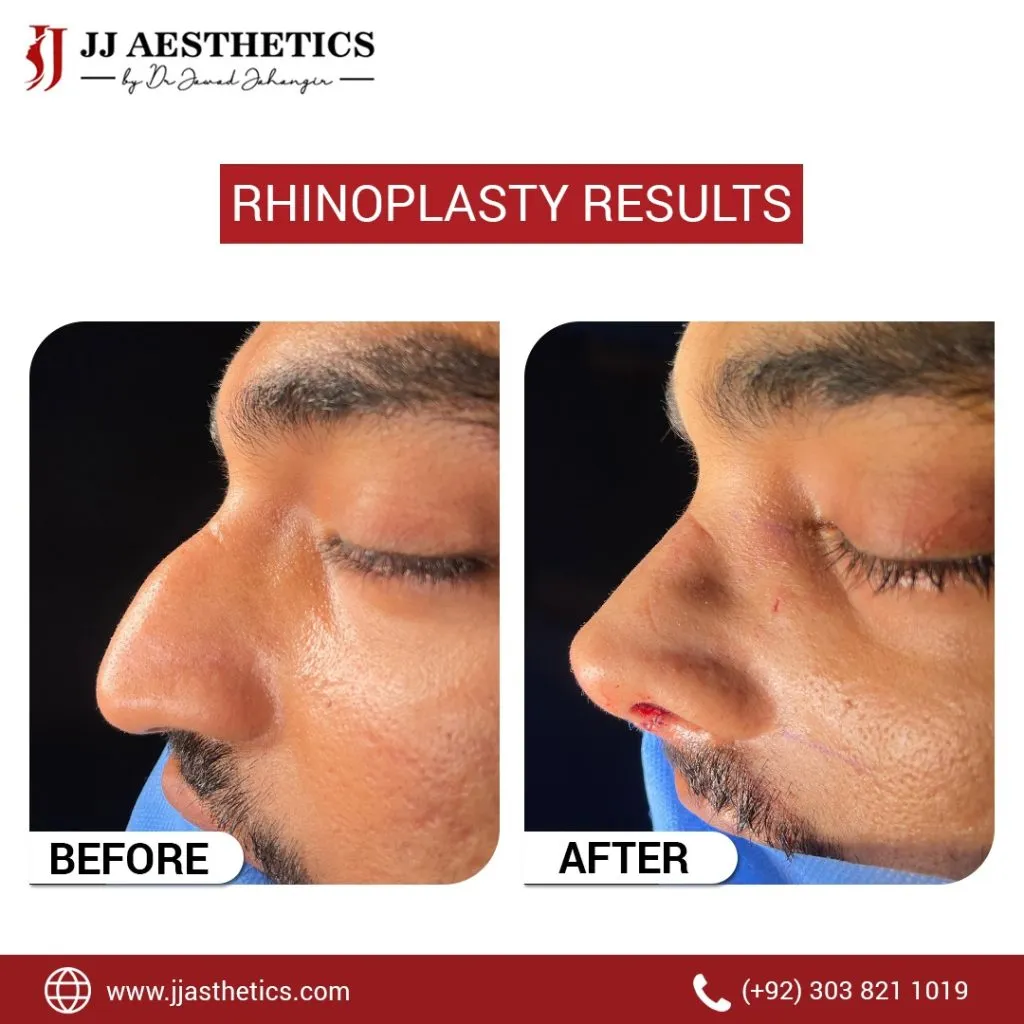
Rhinoplasty can significantly improve the appearance and function of your nose, but proper aftercare is essential for achieving the best results. One of the most common concerns during recovery is how to wash your face after rhinoplasty without disrupting the healing process. Since your nose will be sensitive and may have a splint or bandages in place, it is important to clean your skin carefully while protecting the surgical area.
Why Face Washing Requires Special Care
After rhinoplasty, sugery in islamabad the tissues, cartilage, and bones in your nose need time to heal. During the first few weeks, excessive pressure, rubbing, or moisture around the nose can cause discomfort and potentially interfere with recovery. Proper face washing helps maintain hygiene while minimizing the risk of irritation, swelling, or accidental injury.
The First Few Days After Surgery
During the first few days following rhinoplasty, your surgeon will usually advise you to avoid getting the nasal splint or dressings wet. Instead of washing your entire face normally, focus on gently cleaning the areas around your nose.
You can:
- Use a soft washcloth or cotton pad
- Clean your forehead, cheeks, and chin carefully
- Avoid direct contact with the nose
- Use lukewarm water rather than hot water
This approach helps keep your skin clean while protecting the surgical site.
How to Wash Your Face During the First Week
Use Gentle Cleansers
Choose a mild, fragrance-free facial cleanser that will not irritate sensitive skin. Harsh products, exfoliants, and strong active ingredients should be avoided until your surgeon confirms they are safe to use.
Clean Around the Nose
Apply cleanser to your hands or a soft cloth and gently wash the areas surrounding your nose. Be careful not to rub, press, or scrub the nasal bridge or tip.
Avoid Soaking the Splint
If you are still wearing a splint, keep it dry. Water can weaken the adhesive and affect its ability to support the healing structures underneath.
Pat Dry Carefully
After cleansing, gently pat your skin dry with a soft towel. Avoid rubbing your face, especially around the nose.
After Splint Removal
Once your surgeon removes the splint, usually about one week after surgery, washing your face becomes easier. However, your nose will still be healing and may remain swollen and tender.
At this stage:
- Continue using gentle cleansers
- Avoid vigorous scrubbing
- Use light pressure around the nose
- Moisturize if recommended by your surgeon
- Protect the skin from excessive sun exposure
Even though the splint is gone, the underlying tissues remain delicate.
Can You Use Skincare Products?
Many patients are eager to return to their normal skincare routine. While basic cleansing and moisturizing are usually acceptable after splint removal, products containing strong ingredients should be introduced gradually.
These may include:
- Retinoids
- Exfoliating acids
- Vitamin C serums
- Scrubs
- Chemical peels
Always follow your surgeon's guidance before restarting these treatments.
Washing Your Hair and Face Together
When showering after rhinoplasty:
- Use lukewarm water
- Keep direct water pressure away from your nose
- Wash your hair carefully
- Avoid bending your head forward aggressively
- Dry your face gently afterward
Many patients find it helpful to wash their hair separately during the first few days to minimize the risk of accidental contact with the nose.
Common Mistakes to Avoid
During recovery, avoid these common face-washing mistakes:
Scrubbing the Nose
Even gentle scrubbing can irritate healing tissues and increase swelling.
Using Hot Water
Hot water may increase inflammation and prolong swelling.
Applying Excessive Pressure
Pressing on the nasal bridge or tip can cause discomfort and interfere with healing.
Using Harsh Products Too Soon
Strong skincare products may irritate sensitive skin and delay recovery.
Signs You Should Contact Your Surgeon
If you notice any of the following after washing your face, contact your surgeon:
- Increased redness
- Persistent swelling
- Unusual drainage
- Severe discomfort
- Signs of infection
Prompt medical advice can help address any concerns before they become more serious.
Recovery Tips for Best Results
To support healing after rhinoplasty:
- Follow all postoperative instructions.
- Sleep with your head elevated.
- Stay hydrated.
- Avoid smoking.
- Protect your nose from accidental bumps.
- Attend follow-up appointments.
Good aftercare habits contribute significantly to achieving the desired surgical outcome.
Expert Rhinoplasty Care at JJ Aesthetics
For patients considering rhinoplasty or seeking expert postoperative guidance, JJ Aesthetics provides personalized treatment plans and comprehensive aftercare support. Their experienced team is dedicated to helping patients navigate every stage of recovery while achieving natural-looking, long-lasting results.
Final Thoughts
Learning how to wash your face after rhinoplasty is an important part of the recovery process. During the first week, focus on cleaning around the nose while keeping the splint dry. After splint removal, continue using gentle techniques and avoid excessive pressure on the healing tissues. With patience, proper care, and guidance from your surgeon, you can maintain healthy skin while protecting your rhinoplasty results.
Catégories
Lire la suite
You Find more about the Ford Escape Transmission recall history and the potential effects on present or potential owners. This article lists the models that are impacted, the reasons for recalls, and the precautions you should take to keep your car safe and current.

WOPSLOT menjadi salah satu pilihan bagi penggemar permainan slot online yang mencari akses cepat dan pengalaman bermain yang nyaman. Platform ini menawarkan berbagai pilihan permainan menarik yang dapat dinikmati melalui perangkat desktop maupun mobile dengan sistem yang mudah digunakan situs slot. Banyak pemain tertarik menggunakan WOPSLOT karena menyediakan berbagai game populer yang...
Data Bridge Market Research analyses the burglar alarm and detection system market will exhibit a CAGR of 7.10% for the forecast period of 2022-2029 and is likely to reach USD 7.15 billion in 2029. The global business landscape is undergoing a transformation, with industries increasingly leaning on deep research and actionable insights to make strategic decisions. One segment seeing tremendous...
Diamond Cricket ID has rapidly increased its demand among the online cricketing users, particularly those requiring to access it quickly, efficiently and be involved in real time during a match. But it is not the most perfect platform. When you have a Diamond Cricket ID, you will have problems at one time or the other. It doesn't take much to be a smart user and not a frustrated user, as...

Polaris Market Research has published a brand-new report titled Healthy Snacks Market Size, Share, Trends, & Industry Analysis Report By Product (Fruits Bars, Savory, Cereal & Granola Bars, Nuts & Seeds, Frozen & Refrigerated, Confectionery, Dairy, Bakery), By Claim, By Distribution Channel, By Packaging, By Region – Market Forecast, 2025–2034 that includes...