


How Unstructured Data Management Tools Save Your Business Millions

Introduction
Modern enterprises are swimming in a sea of information, but most of it is completely dark. Every day, teams generate thousands of emails, video recordings, PDF contracts, Slack messages, and customer service audio files. This mountain of information is what experts call unstructured data. Unlike neat rows of numbers in a spreadsheet, this content has no pre-defined model, making it incredibly difficult to search, analyze, and secure. As businesses scale, the sheer volume of this hidden information becomes an expensive liability rather than an asset.
This is exactly where unstructured data management tools become essential for survival. Organizations cannot afford to let their information sit idle in siloed storage bins. Without the right software to sort, tag, and analyze these files, companies face massive storage costs and compliance risks. Transforming this chaotic web of files into actionable intelligence requires a strategic shift in how infrastructure is handled.
The Hidden Cost of Ignoring Your Chaos
Many IT leaders assume that simply buying more cloud storage solves their data growth problem. However, stockpiling unorganized files creates an expensive digital landfill. When team members cannot find a specific contract or design file, they often recreate it from scratch, wasting hundreds of hours of collective productivity. Furthermore, stored files frequently contain sensitive customer details or outdated proprietary information that should have been deleted years ago.
By deploying modern unstructured data management tools, companies can scan their entire digital footprint to understand exactly what they own. These platforms act like automated librarians, indexing millions of files across different cloud environments and physical servers. When an enterprise gains complete visibility into its storage layer, it can easily identify duplicate, redundant, or obsolete content. Cleaning up this digital clutter dramatically reduces monthly cloud bills and streamlines daily workflows.
Why Legacy Storage Solutions Fail
Traditional databases were built to handle structured fields like dates, phone numbers, and financial transactions. They rely on rigid schemas that dictate exactly how information must behave. When you try to force a messy five-hour video file or a complex legal document into that framework, the system breaks down entirely. For a long time, companies simply ignored this friction because the volume of multimedia and text documents was manageable.
Today, unstructured information makes up over eighty percent of all enterprise data, and it is growing at an exponential rate. Relying on manual human tagging to sort this influx is a losing battle. Legacy systems lack the intelligence to look inside a file and understand its context. Advanced unstructured data management tools solve this by using artificial intelligence and machine learning to read text, recognize objects in images, and transcribe audio automatically.
Bridging the Gap Between Storage and Analytics
The true value of modern software lies in its ability to turn raw text and media into something machines can actually understand. When a platform indexes a document, it extracts metadata like author names, underlying sentiment, topics discussed, and compliance classifications. This process essentially structures the unstructured, making the information highly searchable and ready for advanced analytics pipelines.
Once unstructured data management tools create this rich layer of metadata, businesses can feed the organized information into business intelligence dashboards or large language models. Imagine a customer support team being able to instantly analyze ten thousand hours of recorded phone calls to pinpoint exactly why users are frustrated with a new feature. This level of insight is impossible to achieve when your audio files are rotting away unindexed in a deep archive.
Mitigating Legal and Regulatory Risks
In an era governed by strict privacy regulations like GDPR and CCPA, knowing where sensitive information lives is a legal necessity. If a customer exercises their right to be forgotten, a company must find and delete every single instance of their personal information. If that personal information is buried inside a random PDF image or an old email thread buried five layers deep in a legacy server, finding it becomes an absolute nightmare.
Implementing robust unstructured data management tools provides compliance teams with peace of mind. These platforms continuously monitor data repositories for exposed credit card numbers, social security digits, or private medical histories. When the software detects a compliance anomaly, it can automatically move the file to a secure location or encrypt it. This proactive defense drastically minimizes the risk of costly data breaches and regulatory fines.
Designing a Future Proof Data Strategy
Adopting a new data architecture requires more than just installing a new piece of software. It demands a cultural shift in how an organization values its digital assets. Leaders must establish clear governance policies that dictate how long files are kept, who has access to them, and when they should be archived. A tool is only as powerful as the rules and workflows that guide its automation engine.
As your business prepares for the next wave of technological innovation, having a clean information foundation is paramount. Every advanced artificial intelligence application relies on high-quality input to produce accurate results. By investing in the right unstructured data management tools today, you ensure that your business is not just storing massive amounts of content, but actually using that content to drive smarter decisions and outpace the competition.
Категории
Больше
Assetz Codename Sublime is a premium residential development by Assetz Property Group located in Hoskote, East Bangalore. Designed exclusively for modern families, the project offers spacious 3 BHK apartments with thoughtfully planned layouts, abundant open spaces, and world-class lifestyle amenities. Spread across approximately 11 acres, the development focuses on low-density living with...

The global Organic Personal Care Products Market Size is valued at USD 23.85 billion in 2025 and is projected to reach USD 63.63 billion by 2035, growing at a CAGR of 10.31% during the forecast period from 2026 to 2035. The market is experiencing strong expansion as consumers increasingly shift toward natural, chemical-free, and environmentally responsible products. Organic personal...

If you're aiming to enhance your commercial driving career by obtaining a Hazardous Materials (Hazmat theory training) endorsement, understanding the Entry-Level Driver Training (ELDT) requirements is crucial. The Federal Motor Carrier Safety Administration (FMCSA) mandates that all drivers seeking to add a HazMat endorsement to their Commercial Driver's License (CDL) must complete an...

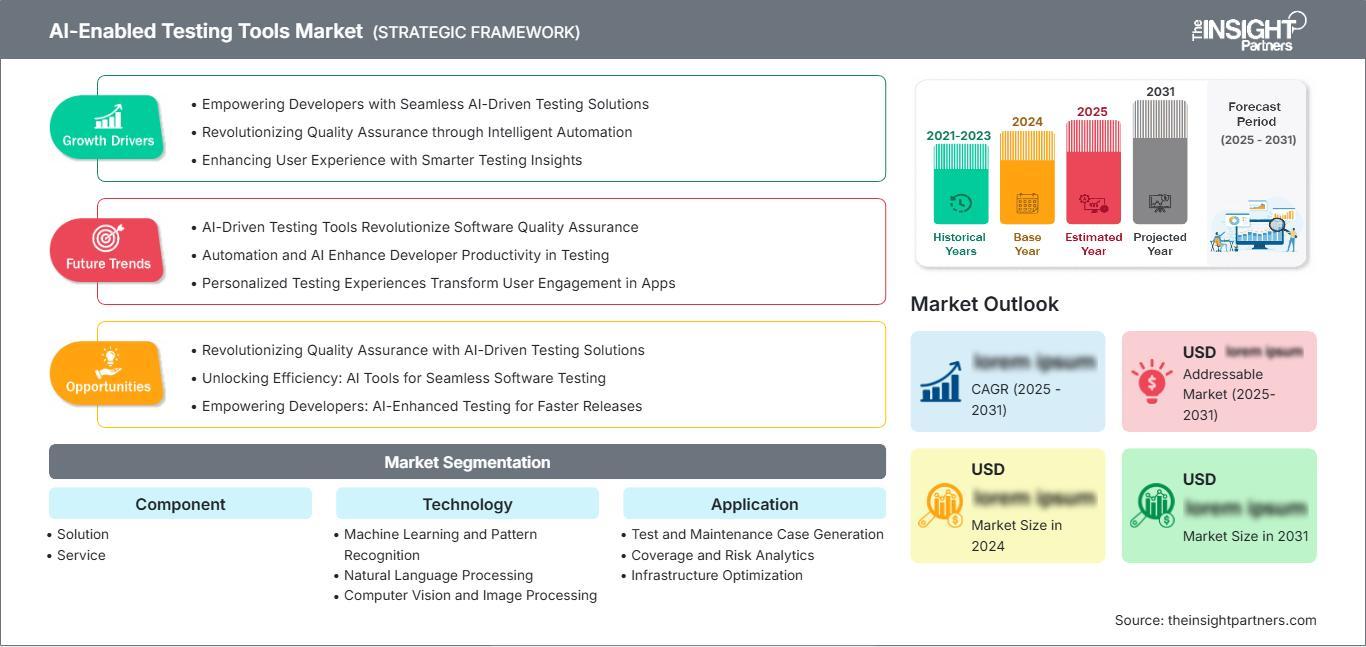
United States of America– 19 Dec 2025- The AI-Enabled Testing Tools Market continues to reshape software development by integrating artificial intelligence to streamline testing processes and elevate quality standards across industries. Market Segmentation Overview AI-Enabled Testing Tools divide primarily into solutions and services, addressing diverse needs...
An unexpected glance into a mirror often becomes the moment when many people notice subtle facial changes that appeared over time. Fine lines, drooping eyelids, and reduced skin elasticity can influence confidence, encouraging individuals to explore modern cosmetic procedures. Understanding treatment options is essential before making any decision because every procedure serves a different...
