


The Benefits of Facial Fat Transfer for Natural-Looking Facial Rejuvenation
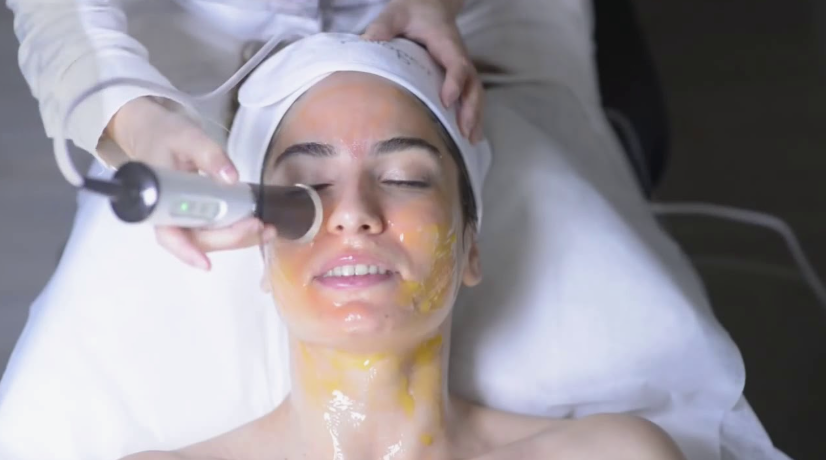
The human face undergoes predictable changes over time that alter its structural appearance and overall youthfulness. As individuals age, the skin gradually loses its inherent elasticity due to a decrease in the production of foundational proteins like collagen and elastin. Beneath the surface of the skin, changes in the skeletal structure and a shifting of the deep fat compartments further contribute to a loss of volume. This depletion of volume often manifests as hollow areas beneath the eyes, flattened cheeks, and more pronounced lines around the mouth and nose.
Traditional methods of addressing these concerns frequently focused solely on pulling the skin tighter, which could sometimes result in an unnatural or overly swept appearance. Modern aesthetic medicine recognizes that restoring lost volume is a critical component of achieving a truly youthful and balanced look. By replacing the volume that has diminished over time, clinicians can subtly lift sagging tissues and smooth out deep folds without altering the fundamental character of a person's facial features.
The Science Behind Using Autologous Tissue
Using a patient's own tissue to restore volume offers significant biological advantages over synthetic alternatives. Autologous tissue, which is material harvested from one part of an individual's body and transplanted to another, is inherently biocompatible. This means the body recognizes the transferred material as its own, which eliminates the risk of an allergic reaction or foreign body rejection. The tissue utilized for this process is adipose tissue, commonly known as fat, which is rich in living cells and signaling molecules.
When fat cells are successfully transplanted to a new site, they integrate into the existing tissue and establish a localized blood supply. This integration allows the transferred volume to become a permanent part of the facial structure, behaving just like the surrounding tissue. Furthermore, the presence of regenerative cells within the harvested fat can have a beneficial effect on the quality of the overlying skin, improving its texture and radiance over time as the tissues heal and mature.
The Comprehensive Procedure Breakdown
The process of transferring tissue to the face is a detailed and multi-step procedure that requires a high degree of precision and clinical skill. The first stage involves the gentle harvesting of excess fat from a donor site on the patient's body, such as the abdomen, flanks, or outer thighs. This harvesting is performed using specialized low-pressure liposuction techniques designed to keep the delicate fat cells intact and viable. Once a sufficient amount of tissue is obtained, it must undergo a processing phase to separate the healthy fat cells from unwanted fluids, oil, and cellular debris.
This purification ensures that only the highest quality tissue is utilized for the next stage of the procedure. The final step involves the strategic reintroduction of the purified cells into the targeted areas of the face using ultra-fine cannulas. The practitioner places tiny droplets of tissue in multiple layers and across various depths to ensure that the new cells have maximum access to the blood supply, which is critical for their long-term survival.
Targeted Areas for Volume Restoration
The versatility of this volume restoration technique allows practitioners to address multiple facial regions during a single session, tailoring the treatment to the specific anatomical needs of the individual. One of the most common areas for enhancement is the midface, where hollow cheeks can be plumped to restore a soft and youthful contour. The delicate region under the eyes, often referred to as the tear trough, can also be treated to diminish the appearance of dark circles and chronic tiredness caused by shadowing.
Additionally, the procedure is highly effective for softening deep nasolabial folds, smoothing marionette lines, and defining a weak or receding jawline. Some individuals also choose to have volume added to their temples, as hollowing in this area can inadvertently contribute to an aged or gaunt appearance. By meticulously placing the tissue in these diverse zones, the facial fat transfer procedure creates a harmonious balance across the entire countenance, ensuring that no single feature looks out of place or disproportionate.
Long Term Expectations and Longevity of Results
Evaluating the outcomes of a tissue transplantation procedure requires an understanding of how the body processes transferred cells over time. In the immediate aftermath of the treatment, patients will experience a certain degree of swelling and bruising, which can temporarily exaggerate the volume of the treated areas. A portion of the transferred fat cells will naturally be reabsorbed by the body during the first few weeks following the procedure. The remaining cells that successfully establish a blood supply will survive permanently in their new location.
Because these are living cells, they will behave exactly like the rest of the fat cells in the body, meaning they will expand or contract with future weight fluctuations. To maintain the stability and longevity of the results, individuals are encouraged to maintain a stable weight. As the swelling completely subsides over several months, the final contours emerge, providing a soft and enduring rejuvenation that ages naturally alongside the patient.
Choosing an Expert Provider for Your Rejuvenation
Selecting a highly skilled and experienced professional is the most critical decision a patient can make when considering a structural facial enhancement. The medical team at Cassileth Plastic Surgery and Skin Care is dedicated to providing exceptional outcomes through meticulous surgical techniques and personalized patient care. Based in Beverly Hills, this practice is recognized for its commitment to safety, innovation, and natural-looking results that enhance each patient's unique beauty.
The practitioners understand the complex anatomy of the face and employ advanced methods to ensure the highest rate of cell survival and optimal facial symmetry. From the initial detailed consultation to the final follow-up appointments, patients receive comprehensive guidance and support tailored to their specific aesthetic goals. Entrusting your care to a specialized and reputable practice ensures that your rejuvenation journey is handled with the utmost professionalism and artistic precision.
Conclusion
Facial rejuvenation through volume restoration offers a sophisticated and biologically compatible solution for individuals seeking to counter the signs of aging. By utilizing the patient's own tissue, this approach avoids the risks associated with synthetic materials and delivers results that blend seamlessly with existing facial structures. The permanence of the surviving tissue, combined with its ability to improve skin quality, makes it a highly desirable option for long-term aesthetic enhancement.
Achieving a successful and balanced outcome relies heavily on the expertise of the provider and a clear understanding of the healing process. With proper planning and realistic expectations, patients can enjoy a refreshed and naturally youthful appearance that stands the test of time.
Categorii
Citeste mai mult
online cricket betting world, choosing the right best Cricket ID Provider is one of the most important decisions for any bettor. With thousands of users joining betting platforms daily, having a trusted and secure cricket ID is essential for a smooth, safe, and enjoyable betting experience. Whether you are a beginner or an experienced bettor, the provider you choose directly impacts your...

Thin Film Photovoltaic Market: Advancing the Next Generation of Lightweight Solar Energy Solutions The global thin film photovoltaic market is gaining substantial momentum as the renewable energy industry shifts toward lightweight, flexible, and cost-efficient solar technologies capable of supporting diversified energy applications. Thin film photovoltaic (PV) technologies utilize extremely...

"Detailed Analysis of Executive Summary Middle East and Africa Biostimulants Market Size and Share The Middle East and Africa Biostimulants Market size was valued at USD 247.45 million in 2025 and is expected to reach USD 574.89 million by 2033, at a CAGR of 10.8% during the forecast period. The Middle East and Africa Biostimulants report provides...

Defense in College Football 26 isn't about calling better plays-it's about CUT 26 Coins running your plays correctly. Match coverage, Tampa 2, Cover 3, and Cover Zero all work when you respect their rules and make the right adjustments. Clean up these mistakes, protect the seams, and force your opponent to actually play offense. That's how you start getting stops-and start winning more games....

Introduction The keyword macantogel is frequently seen across search engines, blogs, and various online content networks. At first glance, it may look like a specific brand or digital service, but in most cases it is part of a broader SEO-driven keyword ecosystem shaped by automated content systems, search engine optimization strategies, and user behavior. In today’s internet environment,...