Email Marketing Funnel: Turning Leads into Loyal Customers
Email Marketing Funnel: Turning Leads into Loyal Customers
In today’s competitive digital landscape, attracting leads is only the first step toward business success. The real challenge is converting those leads into paying customers and eventually turning them into loyal brand advocates. This is where an email marketing funnel becomes one of the most powerful tools in digital marketing.
An email marketing funnel guides potential customers through every stage of the buyer journey using personalized communication, content marketing, and strategic automation. Unlike social media platforms, where algorithms control visibility, email marketing provides direct access to your audience and allows businesses to build lasting relationships over time.
If you want to increase conversions, improve customer retention, and create a predictable revenue stream, this guide will show you how an email marketing funnel can turn leads into loyal customers.
Why Is an Email Marketing Funnel Important?
An email marketing funnel helps businesses nurture prospects and guide them toward making a purchase decision.
Key benefits include:
-
Better lead nurturing
-
Increased customer engagement
-
Higher conversion rates
-
Improved customer retention
-
Consistent revenue generation
Businesses that implement structured email funnels often achieve stronger digital marketing results and long-term growth.
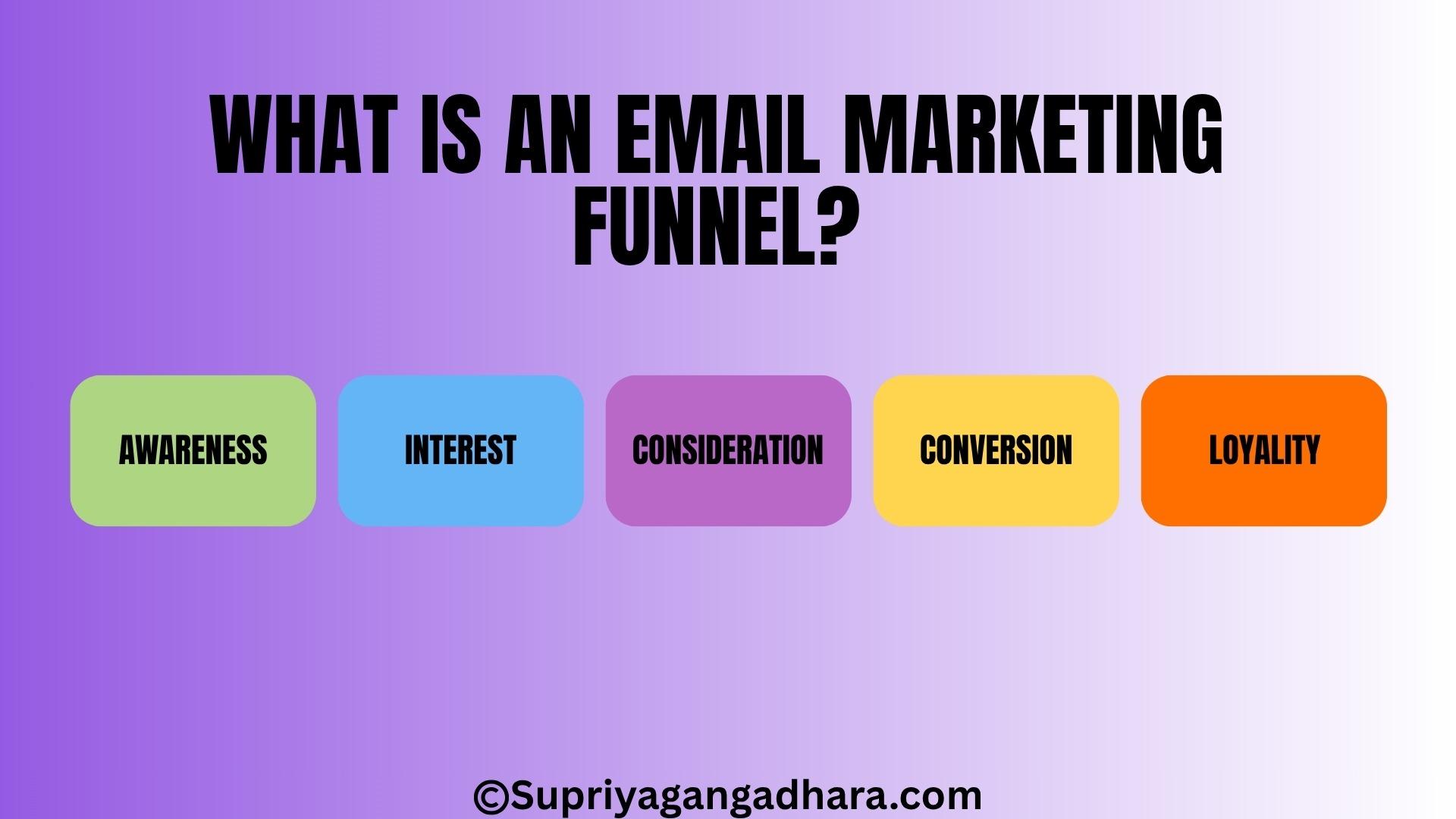
What Is an Email Marketing Funnel?
An email marketing funnel is a series of strategically designed emails that move prospects through different stages of the customer journey.
The main funnel stages include:
-
Awareness
-
Interest
-
Consideration
-
Conversion
-
Loyalty
Each stage requires different content and messaging to help prospects move closer to becoming loyal customers.
Stage 1: Awareness – Attracting New Leads
The first stage focuses on capturing the attention of potential customers and encouraging them to join your email list.
Effective lead generation strategies include:
-
Free eBooks and guides
-
SEO checklists
-
Industry reports
-
Webinars and workshops
-
Newsletter subscriptions
Content marketing plays a major role in attracting qualified leads during this stage.
Why Is Lead Generation So Important?
Without a steady stream of new leads, businesses struggle to grow.
Benefits of strong lead generation include:
-
Larger audience reach
-
Increased sales opportunities
-
Better customer acquisition
-
Higher revenue potential
-
Sustainable business growth
Businesses often use SEO, social media marketing, and content marketing to drive lead generation.
Stage 2: Interest – Building Relationships
Once someone subscribes, the goal is to build trust and keep them engaged.
Effective interest-stage content includes:
-
Educational blog articles
-
Industry insights
-
Helpful tutorials
-
Customer success stories
-
Valuable resources and tips
Providing value consistently helps businesses establish credibility and authority.
How Does Content Marketing Improve Funnel Performance?
Content marketing helps educate prospects while addressing their challenges and needs.
Content marketing benefits include:
-
Better audience engagement
-
Increased trust and credibility
-
Improved SEO performance
-
Higher conversion potential
-
Stronger customer relationships
Businesses that create valuable content often experience better funnel performance.
Stage 3: Consideration – Nurturing Prospects
At this stage, leads are evaluating whether your business can solve their problem.
Effective nurturing strategies include:
-
Product demonstrations
-
Case studies
-
Customer testimonials
-
Comparison guides
-
Frequently asked questions
The goal is to remove objections and provide the information prospects need to make informed decisions.
Why Is Personalization Important?
Personalized emails create stronger connections and improve engagement rates.
Effective personalization strategies include:
-
Using subscriber names
-
Behavior-based recommendations
-
Personalized content suggestions
-
Targeted promotional offers
-
Dynamic email content
Personalized campaigns often generate significantly higher conversion rates.
Stage 4: Conversion – Turning Leads into Customers
The conversion stage focuses on encouraging prospects to take action.
Effective conversion strategies include:
-
Limited-time offers
-
Product discounts
-
Free consultations
-
Exclusive promotions
-
Strong call-to-action buttons
Businesses should make it easy for prospects to take the next step.
How Can SEO Support Email Marketing Funnels?
SEO and email marketing work together to improve visibility and customer engagement.
SEO benefits include:
-
Better content distribution
-
Increased website traffic
-
Improved landing page quality
-
Higher search visibility
-
Stronger audience targeting
Sharing SEO-optimized content through email campaigns helps maximize marketing performance.
Stage 5: Loyalty – Retaining Customers
Acquiring a customer is valuable, but retaining them is even more profitable.
Customer loyalty strategies include:
-
Exclusive customer offers
-
Educational email series
-
Loyalty programs
-
Personalized recommendations
-
Regular value-driven communication
Loyal customers often become repeat buyers and brand advocates.
Why Is Customer Retention Important?
Retaining customers is generally more cost-effective than acquiring new ones.
Benefits of customer retention include:
-
Increased lifetime customer value
-
Higher repeat purchase rates
-
Better customer relationships
-
Improved brand loyalty
-
Consistent revenue growth
Successful businesses focus on both acquisition and retention strategies.
Can AI Improve Email Marketing Funnels?
Artificial Intelligence is transforming digital marketing and email marketing automation.
AI-powered benefits include:
-
Predictive customer behavior analysis
-
Automated personalization
-
Smart send-time optimization
-
Performance forecasting
-
Audience segmentation improvements
AI tools help businesses create more efficient and effective email funnels.
How Can Businesses Measure Funnel Success?
Tracking performance metrics helps businesses identify strengths and areas for improvement.
Important email marketing metrics include:
-
Open rates
-
Click-through rates
-
Conversion rates
-
Customer retention rates
-
Revenue per email campaign
Regular analysis helps optimize the funnel and improve overall results.
Why Is Automation Essential for Scaling?
Automation allows businesses to nurture leads consistently without manual effort.
Benefits of automation include:
-
Improved efficiency
-
Consistent customer communication
-
Better lead nurturing
-
Increased conversion opportunities
-
Scalable marketing operations
Automated email sequences help businesses deliver the right message at the right time.
Conclusion
An email marketing funnel is one of the most effective digital marketing systems for turning leads into loyal customers. By guiding prospects through awareness, interest, consideration, conversion, and loyalty stages, businesses can build trust, increase sales, and create long-term customer relationships.
When combined with SEO, content marketing, personalization, and AI-powered automation, email marketing funnels become powerful engines for sustainable business growth. Businesses that focus on delivering value and nurturing customer relationships can create predictable revenue streams and build a loyal customer base that supports long-term success.
Categorii
Citeste mai mult
Launching a startup is an exciting journey, but turning an innovative idea into a sustainable business requires more than passion and determination. Entrepreneurs face numerous challenges, including financial management, regulatory compliance, strategic planning, fundraising, and operational efficiency. This is where business consulting for startups in India becomes invaluable. With expert...

According to the latest report published by Data Bridge Market Research, the Micro Electric Vehicle Market The global micro electric vehicle market size was valued at USD 12.26 billion in 2025 and is expected to reach USD 30.05 billion by 2033, at a CAGR of 11.85% during the forecast period. Competitive analysis carried out in the credible Micro...

In today’s digital age, mobile apps have become the preferred way for users to access online platforms. With smartphones in almost every hand, people are constantly looking for apps that offer speed, convenience, and a smooth experience. Among many emerging platforms, the Reddy Book Club app is quickly gaining popularity, especially among new users. This growing interest is not just a...

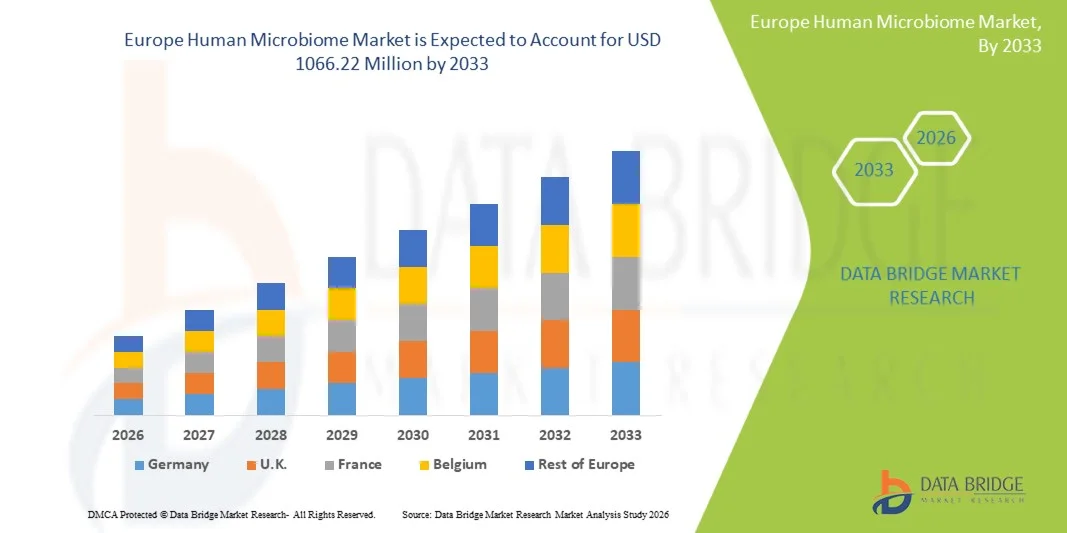
"According to the latest report published by Data Bridge Market Research, the Europe Human Microbiome Market The Europe Human Microbiome market was valued at USD 249.63 Million in 2025 and is projected to reach USD 1066.22 Million by 2033, growing at a CAGR of 19.90% from 2026 to 2033. Europe Human Microbiome Market analysis report has studied key...
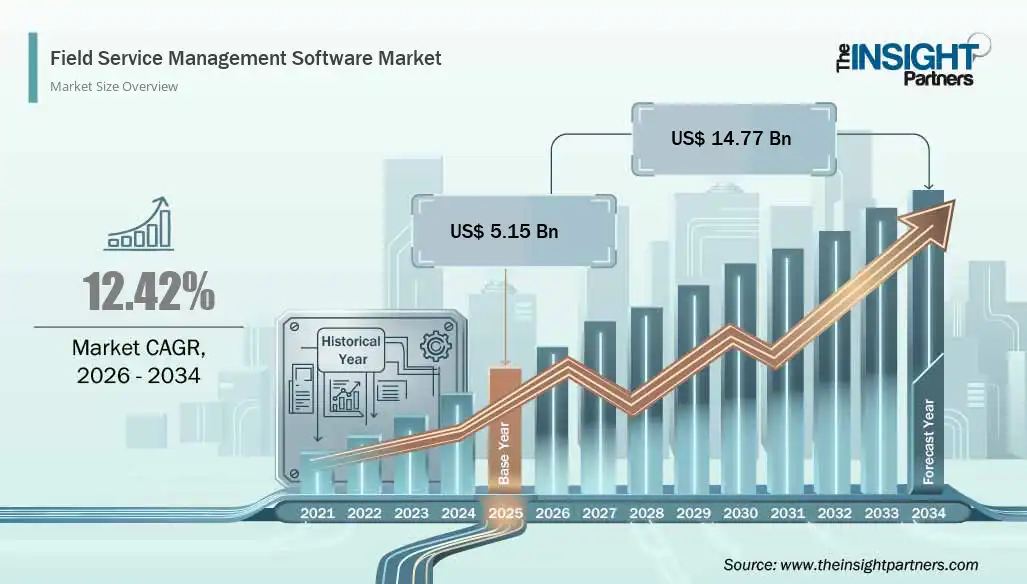
The North America Field Service Management Software is witnessing robust growth, driven by the increasing adoption of cloud-based solutions, mobile workforce management, and AI-powered automation across industries such as manufacturing, utilities, telecommunications, healthcare, and construction. According to market estimates, The Field Service Management Software...