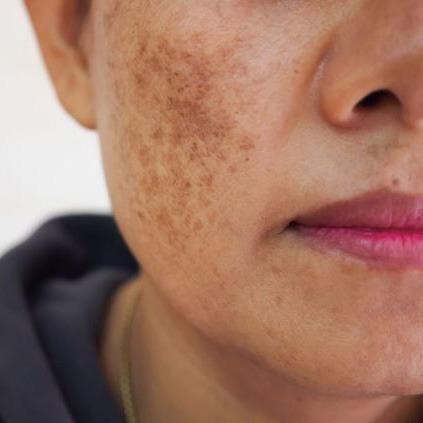
Pigmentation Removal Treatment and Stretch Marks Treatment are among the most popular cosmetic dermatology procedures for improving skin appearance and confidence. Pigmentation issues such as melasma, sunspots, and acne marks can lead to uneven skin tone, while stretch marks often develop due to pregnancy, weight fluctuations, puberty, or rapid muscle growth. Modern treatments, including laser therapy, chemical peels, microneedling, and advanced skincare solutions, can significantly improve skin texture, tone, and overall appearance. Understanding the causes, treatment options, benefits, and limitations helps individuals choose the most suitable approach for their skin concerns.
Introduction
Healthy, radiant skin is often associated with confidence and well-being. However, many people experience common skin concerns that affect their appearance and self-esteem. Two of the most frequently treated dermatological conditions are pigmentation and stretch marks.
Pigmentation causes dark patches and uneven skin tone due to excess melanin production, while stretch marks appear as visible streaks on the skin caused by rapid stretching. Although both conditions are medically harmless, they can have a significant cosmetic impact.
Advancements in aesthetic dermatology have made Pigmentation Removal Treatment and Stretch Marks Treatment more effective than ever before. Today, a variety of non-surgical procedures can help restore smoother, clearer, and healthier-looking skin.
Understanding Pigmentation
Pigmentation refers to the natural color of the skin, which is determined by melanin production.
When melanin is produced unevenly or in excess, dark spots and patches can appear on the skin.
Common Types of Pigmentation
Melasma
Melasma appears as brown or gray patches, often on the cheeks, forehead, and upper lip.
Sunspots
Sunspots develop due to prolonged exposure to ultraviolet (UV) radiation.
Post-Inflammatory Hyperpigmentation
Dark marks that remain after acne, burns, cuts, or skin inflammation.
Age Spots
Age spots result from years of cumulative sun exposure and natural aging.
Causes of Pigmentation
Several factors contribute to pigmentation disorders.
Sun Exposure
Excessive UV radiation stimulates melanin production.
Hormonal Changes
Pregnancy and hormonal medications can trigger melasma.
Acne and Skin Trauma
Inflammation often leaves behind dark marks.
Aging
Natural aging can lead to uneven melanin distribution.
Genetics
Some individuals are genetically more prone to pigmentation issues.
What Is Pigmentation Removal Treatment?
Pigmentation Removal Treatment includes various dermatological procedures designed to reduce excess pigment and create a more even complexion.
Main Goals
- Reduce dark spots
- Treat melasma
- Improve skin brightness
- Minimize acne marks
- Restore even skin tone
- Enhance overall skin appearance
Treatment plans vary depending on the severity and type of pigmentation.
Types of Pigmentation Removal Treatment
Topical Treatments
Medical-grade skincare products are often recommended for mild pigmentation.
Common Ingredients
- Vitamin C
- Retinoids
- Niacinamide
- Kojic Acid
- Azelaic Acid
Benefits
- Non-invasive
- Easy to use
- Suitable for mild cases
Chemical Peels
Chemical peels exfoliate damaged skin layers and encourage skin renewal.
Benefits
- Brighter complexion
- Improved skin texture
- Reduced superficial pigmentation
Microneedling
Microneedling stimulates collagen production and promotes skin regeneration.
Benefits
- Improves acne-related pigmentation
- Enhances skin quality
- Supports rejuvenation
Laser Therapy
Laser treatment is one of the most effective forms of Pigmentation Removal Treatment.
Benefits
- Precise pigment targeting
- Faster visible results
- Minimal downtime
- Long-lasting improvement
Understanding Stretch Marks
Stretch marks, medically known as striae, are a form of skin scarring that develops when the skin stretches rapidly.
The stretching causes collagen and elastin fibers to break, resulting in visible lines or streaks.
Common Areas Affected by Stretch Marks
Stretch marks commonly appear on:
- Abdomen
- Thighs
- Hips
- Breasts
- Buttocks
- Upper arms
Initially, they may appear red, purple, pink, or brown before fading to a lighter color.
Causes of Stretch Marks
Several factors contribute to the development of stretch marks.
Pregnancy
Rapid skin expansion during pregnancy is a common cause.
Weight Gain
Sudden weight gain stretches the skin beyond its natural limits.
Weight Loss
Significant weight loss can make stretch marks more noticeable.
Puberty
Growth spurts often lead to stretch mark formation.
Muscle Growth
Rapid muscle development may place excessive stress on the skin.
Hormonal Changes
Hormonal fluctuations can weaken collagen fibers.
Genetics
Family history plays a significant role.
What Is Stretch Marks Treatment?
Stretch Marks Treatment refers to procedures designed to reduce the appearance of stretch marks and improve skin texture.
Treatment Objectives
- Minimize stretch mark visibility
- Improve skin smoothness
- Stimulate collagen production
- Increase skin elasticity
- Promote natural skin regeneration
Although complete removal may not always be possible, substantial improvement can often be achieved.
Types of Stretch Marks Treatment
Topical Creams
Certain skincare products support skin hydration and elasticity.
Common Ingredients
- Retinoids
- Hyaluronic Acid
- Vitamin E
- Centella Asiatica
Microneedling
Microneedling creates controlled micro-injuries that stimulate collagen production.
Benefits
- Improves texture
- Reduces stretch mark depth
- Encourages skin renewal
Radiofrequency Therapy
Radiofrequency energy heats deeper skin layers to promote collagen remodeling.
Benefits
- Tightens skin
- Improves firmness
- Enhances elasticity
Laser Therapy
Laser technology is among the most advanced forms of Stretch Marks Treatment.
Benefits
- Stimulates collagen production
- Improves skin texture
- Reduces stretch mark visibility
- Delivers long-lasting results
Benefits of Combining Treatments
Many individuals experience both pigmentation and stretch marks simultaneously.
Combining Pigmentation Removal Treatment and Stretch Marks Treatment can provide comprehensive skin improvement.
Combined Benefits
- Smoother skin texture
- More even skin tone
- Enhanced collagen production
- Improved skin quality
- Greater confidence
A dermatologist can recommend a personalized treatment plan based on individual needs.
Factors Affecting Treatment Results
Several factors influence treatment success.
Severity of the Condition
More advanced concerns may require additional sessions.
Skin Type
Different skin types respond differently to treatment.
Age of the Concern
Newer stretch marks and pigmentation often respond more quickly.
Lifestyle Habits
Hydration, nutrition, and sun protection support better outcomes.
Treatment Consistency
Following the recommended treatment schedule is essential.
Recovery and Aftercare
Proper aftercare helps maximize results.
Recommended Care
- Use sunscreen daily
- Avoid excessive sun exposure
- Keep skin moisturized
- Stay hydrated
- Follow professional skincare advice
Good aftercare supports healing and long-term improvement.
Challenges and Considerations
Multiple Sessions May Be Required
Most treatments require a series of sessions.
Results Develop Gradually
Skin regeneration and collagen remodeling take time.
Individual Variation
Results vary based on skin type and healing response.
Maintenance Is Important
Long-term skincare helps preserve treatment benefits.
Who Is a Good Candidate?
You may benefit from these treatments if you:
- Have visible pigmentation or stretch marks
- Are in good overall health
- Prefer non-surgical solutions
- Have realistic expectations
- Are committed to proper aftercare
A consultation with a qualified dermatologist is the best way to determine the most suitable treatment plan.
Conclusion
Both Pigmentation Removal Treatment and Stretch Marks Treatment have advanced significantly with the development of modern dermatological technologies. Today, patients can choose from a variety of effective, non-surgical options that improve skin tone, texture, and overall appearance.
Whether addressing dark spots, melasma, acne pigmentation, or stretch marks caused by pregnancy and weight changes, customized treatment plans can provide noticeable and long-lasting improvements. With professional guidance, consistent treatment, and proper skincare, individuals can achieve clearer, smoother, and healthier-looking skin while enhancing their confidence and quality of life.