


Neon Sign Shop Startup Guide: 7 Essential Steps for 2026 Success
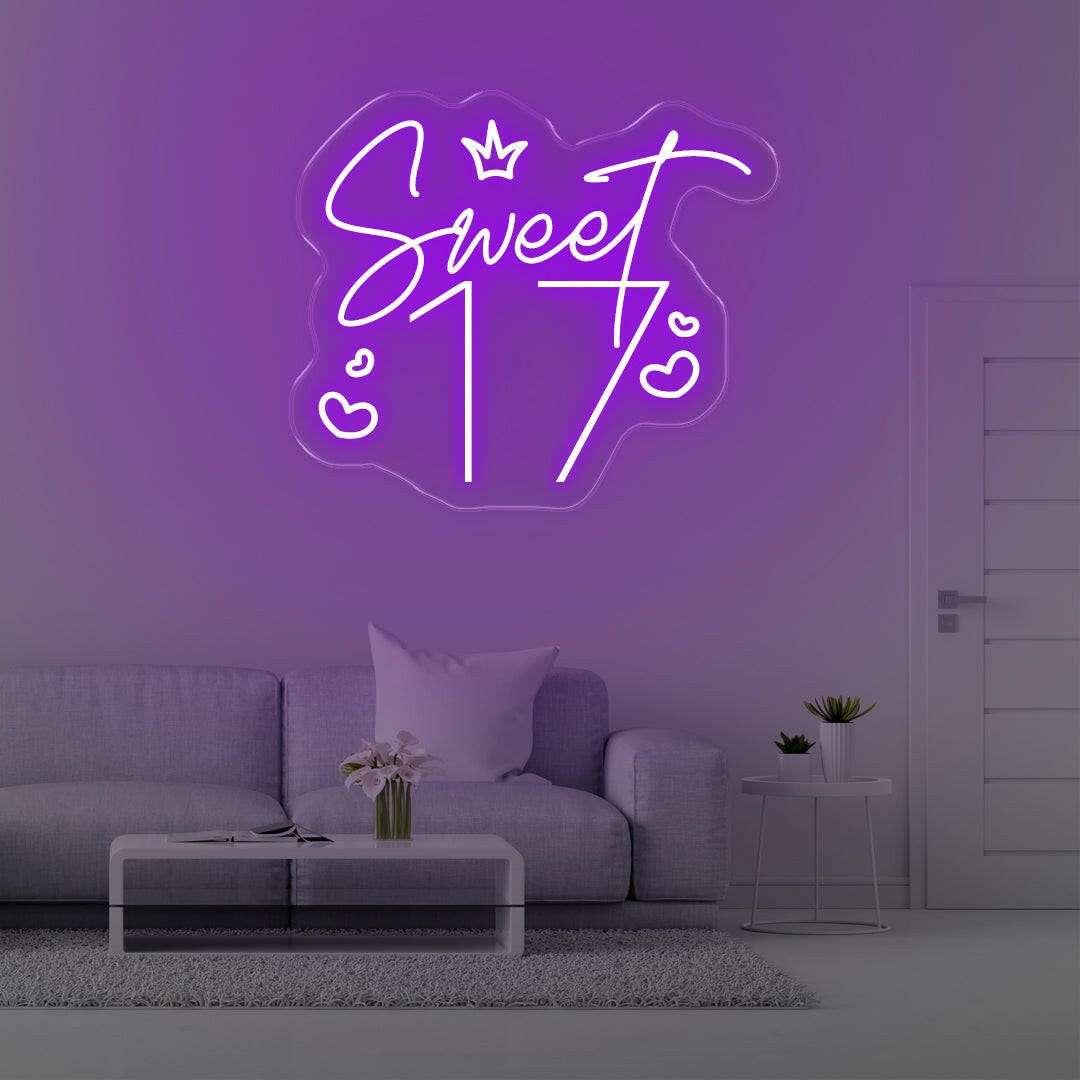
In the last year, interest in neon signage has surged alongside small business branding needs, with the global market hitting billions.
A neon sign shop blends creativity, tech, and entrepreneurship to deliver eye-catching custom signs that boost visibility for retailers, cafes, and homes.
If you’re an aspiring entrepreneur or creative professional dreaming of turning your passion for glowing designs into income, this guide is for you. By the end, you’ll know how to launch, price, market, and scale your neon sign shop while avoiding costly beginner errors.
What You’ll Learn
- What does it take to open a neon sign shop today?
- How much does it cost to start a neon sign business?
- LED neon or traditional glass—which should you offer?
- How do you design and create custom neon signs?
- What are the best marketing strategies for a neon sign shop?
- How do you price neon signs profitably?
- What legal and safety requirements apply?
- How can you scale your neon sign shop in 2026?
- Common mistakes to avoid?
What Does It Take to Open a Neon Sign Shop Today?
Opening a neon sign shop requires market validation, basic equipment, supplier partnerships, and digital sales channels rather than a large physical storefront.
Focus on the booming LED segment for lower barriers. Many successful shops operate online-first with made-to-order models, serving local businesses and global e-commerce buyers.
[Image: neon sign shop startup workspace with LED materials and design software alt text with neon sign shop]
Quick Takeaway: Validate demand by checking Etsy, Pinterest, and local competitors before investing heavily.
How Much Does It Cost to Start a Neon Sign Business?
Startup costs for a neon sign shop range from $2,000 to $15,000 depending on scale, with LED-focused online models at the lower end.
Breakdown (2026 estimates):
- Equipment and tools: $500–$5,000 (LED flex, controllers, design software).
- Website/Shopify setup: $300–$1,000.
- Initial inventory/samples: $1,000–$3,000.
- Marketing and legal: $500–$2,000.
- Workspace (home or small studio): Minimal if starting online.
Larger physical shops with glass neon capabilities add $10,000+ for bending equipment and ventilation. Many entrepreneurs bootstrap with dropshipping or white-label manufacturers.
Statistics show the LED neon lights segment alone projected around USD 2 billion+ in 2026, making it accessible for newcomers.
LED Neon or Traditional Glass—Which Should You Offer?
Start with LED neon for most neon sign shops due to its flexibility, safety, energy efficiency, and customer demand—traditional glass suits premium nostalgia niches.
LED options last longer (50,000+ hours), run cooler, and allow complex shapes without high-voltage risks. Traditional glass offers authentic vintage glow but requires skilled bending, higher maintenance, and regulatory hurdles.
Contrarian opinion: While many advise going all-in on traditional neon for "authenticity," data shows LED dominates growth and repeat business. Customers prioritize durability over pure nostalgia in 2026.
I once wasted weeks learning glass bending only to realize most clients preferred brighter, safer LED for home and business use. That pivot saved my early momentum.
How Do You Design and Create Custom Neon Signs?
Design custom neon signs using free or affordable software like Adobe Illustrator or specialized neon mockup tools, then outsource production or build in-house with LED flex strips.
Steps:
- Gather client briefs (logos, text, dimensions).
- Create vector designs ensuring readability at distance.
- Choose colors (pastels trending in 2026) and effects.
- Prototype digitally and get approval.
- Manufacture: Cut LED neon rope, mount on acrylic backings, add power supplies.
Tools like Canva for beginners or pro software speed this up. Offer personalization for weddings, business logos, and quotes.
Quick Takeaway: Focus on speed—fast turnaround wins repeat clients in competitive markets.
What Are the Best Marketing Strategies for a Neon Sign Shop?
Effective marketing for your neon sign shop combines Instagram visuals, Google local SEO, Etsy/Shopify stores, and partnerships with interior designers and event planners.
Post high-quality photos and time-lapse builds. Use hashtags like #CustomNeonSigns. Run targeted Facebook/Instagram ads to small business owners.
Build an email list for seasonal promotions (holidays spike demand). Collaborate with local shops for cross-promotions.
Internal link: Learn more about small business branding with signs.
External link: Check industry reports from sources like Coherent Market Insights for deeper market data.
Aim for 20-30% of revenue from repeat and referral customers through excellent service.
How Do You Price Neon Signs Profitably?
Price neon signs with 2.5x–4x markup on costs: small custom LED signs $150–$500, medium $400–$1,200, accounting for design time, materials, and shipping.
Factors: Size, complexity, colors, urgency. Offer tiers—basic, premium, deluxe. Bundle with installation for business clients.
Monitor competitors but differentiate on quality and speed. Track metrics like customer acquisition cost to refine.
What Legal and Safety Requirements Apply?
Comply with business registration, sales tax permits, and safety standards for electrical products when running a neon sign shop.
In the US, form an LLC for liability protection. Check local zoning for workshops. For signs, ensure UL/CE certification on LED components. Insurance covers product liability.
Safety tip: Warn customers about proper mounting to prevent falls or electrical issues.
How Can You Scale Your Neon Sign Shop in 2026?
Scale by adding product lines (e.g., 3D signs), hiring freelancers for design/production, expanding to wholesale, or franchising designs.
Incorporate AI design tools for faster customization. Enter B2B contracts with chains. Use data analytics for trending phrases. Predict continued growth in personalized decor through 2030+.
Personal mistake: Early on, I overstocked slow-moving traditional designs instead of testing small batches of trending pastels—lesson learned: data-driven inventory wins.
Common Mistakes to Avoid When Starting a Neon Sign Shop
- Ignoring online presence and relying only on foot traffic.
- Underpricing complex custom work.
- Poor quality control leading to returns.
- Neglecting trends like soft pastels and minimalist fonts.
- Skipping supplier vetting for reliable LED materials.
At a Glance Checklist:
- Validate idea with competitor analysis.
- Set up e-commerce store.
- Source quality LED suppliers.
- Build portfolio of 10+ designs.
- Launch with targeted ads.
- Collect reviews aggressively.
- Track finances monthly.
Your neon sign shop can thrive by delivering value through beautiful, functional custom lighting that helps businesses stand out.
You can absolutely build a profitable operation with focus and adaptability to 2026 trends. What’s your first step—designing your initial samples or researching local demand? Share in the comments.
Categorias
Leia Mais
Gamescom Opening Night Live brought a new trailer for Marvel Rivals, confirming that the hero shooter will see a full launch on December 6, 2024. Unlike the previous playtests, this release marks the game's permanent arrival, going beyond the limited-time closed beta that concluded earlier this month. The closed beta ran from July 23 to August 5, featuring a restricted set of maps and a...

The growing interest in alternative wellness solutions has led many people to explore innovative nutritional concepts that go beyond traditional supplements. Among these emerging ideas, the concept of matrix genetix has begun to attract attention as a symbolic representation of functional mushroom-based nutrition combined with a mindset of transformation and self-development. This...
"Executive Summary Bimodal Nitrile Rubber Market Research: Share and Size Intelligence Global bimodal nitrile rubber market size was valued at USD 354.26 million in 2024 and is projected to reach USD 636.53 million by 2032, with a CAGR of 7.60% during the forecast period of 2025 to 2032. The credible Bimodal Nitrile Rubber report has estimations of CAGR values, which are very...
PUBG Mobile has recently expanded its role beyond gaming by launching a dedicated Penguin Rescue Initiative, demonstrating a strong commitment to wildlife conservation. This program involves collaborations with four prominent non-profit organizations — Sanparks Honorary Rangers, SANCCOB, the Wildlife Conservation Network, and the Global Penguin Society, a partner of the latter. The...
In the modern economic landscape of South Wales, the connection between professional services is the bedrock of sustainable growth. Whether you are a boutique consultancy in the city centre, a tech startup in the Bay, or a long-standing manufacturing firm on the outskirts, your ability to reach other enterprises—your B2B prospects—is paramount. As the digital transformation of Wales...
