


Hydrophone Market Analysis for Marine Security, Exploration, and Environmental Monitoring
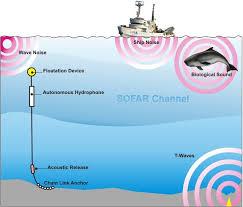
The Hydrophone Market is gaining strategic importance as underwater acoustic sensing becomes essential for defense, marine research, offshore energy, fisheries management, port security, oceanographic monitoring, and autonomous underwater operations. Hydrophones convert underwater sound pressure into electrical signals, enabling users to detect marine life, monitor vessel movement, support sonar systems, inspect subsea infrastructure, and gather environmental intelligence. Demand is expanding as governments, research institutions, offshore operators, and maritime technology companies invest in ocean monitoring and underwater situational awareness. The shift toward autonomous underwater vehicles, unmanned surface vessels, and distributed sensor networks is also increasing the need for compact, rugged, and high-sensitivity hydrophones capable of long-duration operation in harsh marine environments.
Industry Size and Market Structure
Industry size and market structure are shaped by a specialized value chain that includes acoustic sensor manufacturers, piezoelectric material suppliers, signal-processing electronics providers, system integrators, defense contractors, offshore service companies, research equipment distributors, and marine data analytics firms. The market is technically demanding, with product differentiation based on frequency response, sensitivity, self-noise, depth rating, directionality, calibration stability, connector design, and integration flexibility. High-end demand is concentrated in naval, seismic, scientific, and offshore energy applications, while broader adoption is visible in environmental monitoring, aquaculture, and education-focused research systems. Long replacement cycles and custom project requirements keep the market relationship-driven, but digital monitoring networks are creating repeat demand.
Key Growth Trends Shaping 2025–2034
Key growth trends shaping 2025-2034 include the expansion of passive acoustic monitoring, deployment of hydrophones in autonomous platforms, miniaturization of sensors, and integration with real-time data transmission systems. Multi-element arrays and vector hydrophones are gaining importance for directional detection and advanced sonar applications. Environmental regulations and biodiversity monitoring needs are encouraging hydrophone use for whale detection, noise pollution assessment, and ecosystem observation. Offshore wind, subsea cable routes, and oil and gas infrastructure also require underwater acoustic surveillance during construction and operations. Over the forecast period, hydrophones with low power consumption, digital outputs, and compatibility with cloud-based analytics will gain stronger market relevance.
Core Drivers of Demand
Core drivers of demand include rising maritime security needs, increased offshore infrastructure investments, growth in ocean science programs, and the operational expansion of unmanned marine systems. Defense modernization is a major demand pillar, particularly for anti-submarine warfare, port protection, and underwater threat detection. Offshore energy operators use hydrophones for leak detection, marine mammal monitoring, and equipment diagnostics. Scientific users rely on hydrophones for long-term ocean observation, climate research, and acoustic habitat mapping.
Challenges and Constraints
Challenges and constraints include high calibration requirements, harsh operating environments, limited standardization across applications, and cost sensitivity in academic and commercial monitoring projects. Deepwater performance demands increase design complexity, while saltwater corrosion, biofouling, cable stress, and pressure tolerance create reliability risks. Defense procurement cycles can be lengthy, and export controls may affect international supply. Data interpretation also requires specialist skills, limiting adoption among new users.
Browse more Information:
https://www.oganalysis.com/industry-reports/hydrophone-market
Segmentation Outlook
Segmentation outlook covers hydrophones by type, including omnidirectional hydrophones, directional hydrophones, vector hydrophones, towed-array sensors, bottom-mounted sensors, and miniature hydrophones. By frequency range, the market includes low-frequency, mid-frequency, and high-frequency products. Applications include sonar, marine mammal monitoring, seismic surveys, underwater communication, port security, aquaculture, offshore infrastructure monitoring, and academic research. End users include naval forces, research institutes, offshore energy companies, environmental agencies, shipbuilders, ocean technology firms, and defense integrators. Distribution channels are often direct, project-based, or through specialist marine instrumentation partners.
Regional Dynamics
Regional dynamics show North America supported by naval modernization, offshore activity, and advanced ocean research programs. Europe has strong demand from marine science, offshore wind development, environmental compliance, and subsea technology clusters. Asia-Pacific is expanding due to maritime security investments, shipbuilding strength, fisheries monitoring, and regional ocean research initiatives. Middle East and Africa demand is linked to port protection, offshore energy, and strategic coastal infrastructure. South and Central America presents opportunities in marine biodiversity monitoring, offshore exploration, and academic oceanography. Procurement behavior is also changing as users move from isolated sensors to complete underwater monitoring architectures. This increases demand for rugged connectors, deployment frames, data storage, power management, and software interfaces. Suppliers that understand mission-specific acoustic environments, from shallow ports to deep offshore fields, can create stronger value than vendors offering standardized sensors without application support.
Key Market Players
· Teledyne Marine
· HBK
· Sonardyne International Ltd.
· GeoSpectrum Technologies Inc.
· Ocean Sonics Ltd.
· Benthowave Instrument Inc.
· Aquarian Audio
· High Tech Inc.
· Kongsberg Maritime
· Cetacean Research Technology
Competitive Landscape and Forecast Perspective (2026–2034)
Competitive landscape and forecast perspective for 2026-2034 indicate steady demand for higher sensitivity, ruggedized packaging, and integrated acoustic intelligence solutions. Leading firms are expected to strengthen portfolios through array technologies, digital signal processing, platform-ready sensor modules, and calibration services. Partnerships with defense integrators, offshore contractors, and autonomous vehicle developers will be critical. The market will reward companies that provide not only sensors but also deployment support, data quality assurance, lifecycle services, and application-specific customization. From a planning standpoint, demand will increasingly depend on the ability to connect hardware performance with actionable acoustic intelligence. Buyers will look for suppliers that can support deployment design, calibration, signal conditioning, field troubleshooting, and data workflows. This creates opportunities for companies that combine sensor reliability with systems engineering, software compatibility, and long-term service support. This makes lifecycle documentation, repeat calibration, and compatibility with broader marine electronics ecosystems important purchase factors.
Browse Related Reports:
https://www.oganalysis.com/industry-reports/machine-vision-system-market
https://www.oganalysis.com/industry-reports/data-center-asset-management-market
https://www.oganalysis.com/industry-reports/surging-wireless-access-point-controller-market
https://www.oganalysis.com/industry-reports/ip-multimedia-subsystem-ims-market
Κατηγορίες
Διαβάζω περισσότερα
Customer support has become one of the most important factors influencing customer satisfaction, brand reputation, and long-term business growth. Modern customers expect fast responses, seamless communication, and personalized service across multiple channels. To meet these growing expectations, businesses must continuously evaluate and improve their support operations. This is why...

Maintaining energy, stamina, and overall male wellness becomes increasingly important as men balance demanding work schedules, physical activity, stress, and daily responsibilities. Fatigue, low motivation, reduced endurance, and declining confidence can affect both personal and professional life. Many men today look for natural ways to support their physical performance, vitality,...

In today’s fast-paced lifestyle, physical fatigue and mental stress have become part of everyday life. Long working hours, constant screen time, poor posture, and daily responsibilities often leave the body exhausted and the mind restless. This is where a professional wellness retreat plays an important role. Choosing the right Spa In Ambamata can help restore balance, improve...

DreamWorks Animation Television has announced the talented cast for the highly anticipated Netflix series, She-Ra and the Princesses of Power, scheduled for global release in 2018. Aimee Carrero, known for her role in Elena of Avalor, will voice Adora, the young orphan who transforms into the legendary warrior princess She-Ra. Joining her are Karen Fukuhara as Glimmer, a bright and spirited...

According to TechSci Research report, “Indonesia Tire Market – By Region, Competition, Forecast & Opportunities, 2020–2030F”, the Indonesia Tire Market was valued at USD 3.85 billion in 2024 and is forecast to reach USD 5.82 billion by 2030, expanding at a CAGR of 7.11% during the forecast period. Indonesia stands as one of Southeast Asia’s...