Sodium Sulfate Market Trends Shaped by Detergent Formulation and Manufacturing Efficiency
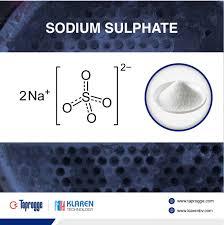
The Sodium Sulfate Market is a mature but strategically relevant industrial chemicals market serving detergents, glass manufacturing, textiles, pulp and paper, chemical synthesis, and specialty industrial applications. Sodium sulfate is valued for its cost-effective filler properties in powdered detergents, fluxing role in glass production, processing support in textile dyeing, and use as a raw material or intermediate in selected chemical processes. Demand patterns are influenced by household cleaning consumption, industrial output, manufacturing relocation, sustainability-driven formulation changes, and regional availability of natural mineral deposits or synthetic by-product streams. Although the market is not as innovation-intensive as specialty chemicals, supply reliability, purity consistency, logistics efficiency, and end-use adaptability remain critical competitive factors.
Industry Size and Market Structure
Industry size and market structure include natural sodium sulfate producers, synthetic sodium sulfate suppliers, mining companies, chemical processors, distributors, detergent ingredient buyers, glass manufacturers, textile mills, and pulp-related users. Natural supply is associated with mineral deposits and lake brine resources, while synthetic supply often emerges as a by-product from chemical manufacturing routes. This dual supply structure creates regional cost differences and price sensitivity. Bulk industrial users prioritize freight economics, product consistency, particle size, low impurity levels, and stable delivery. The market is moderately consolidated in some producing regions but remains fragmented globally due to local mineral resources and downstream consumption clusters.
Key Growth Trends Shaping 2025–2034
Key growth trends shaping 2025-2034 include rising demand in industrializing economies, continued use in powdered detergent formulations where cost efficiency matters, and gradual diversification toward glass, textile, and chemical applications. Sustainability discussions are influencing detergent formulations, but sodium sulfate remains relevant where affordability, supply scale, and processing performance are important. Producers are expected to emphasize energy efficiency, by-product recovery, and cleaner production practices. Logistics optimization is becoming increasingly important because sodium sulfate is a bulk material with freight cost exposure. During the forecast period, natural producers with stable reserves and synthetic suppliers integrated into broader chemical chains will remain well positioned.
Core Drivers of Demand
Core drivers of demand include population-linked consumption of cleaning products, growth in glass packaging and construction-related glass, textile processing in emerging manufacturing hubs, and the need for cost-effective industrial additives. Sodium sulfate also benefits from its established handling properties and compatibility with large-scale manufacturing lines. In several applications, substitution is possible, but switching decisions often depend on delivered cost, process familiarity, and performance reliability rather than product novelty.
Challenges and Constraints
Challenges and constraints include pressure from liquid detergent formats, volatility in energy and transportation costs, environmental requirements for mining and chemical by-product management, and competition from alternative fillers or processing aids. Synthetic supply can fluctuate with production levels of parent chemicals, while natural production depends on resource quality, climate factors, and extraction economics. Bulk logistics can limit trade competitiveness across distant regions.
Browse more Information:
https://www.oganalysis.com/industry-reports/sodium-sulfate-market
Segmentation Outlook
Segmentation outlook covers natural sodium sulfate and synthetic sodium sulfate by source. By grade, the market includes anhydrous, technical, and higher-purity grades for selected applications. By application, demand spans detergents, glass, textiles, pulp and paper, chemical processing, animal feed additives, and niche industrial uses. End users include detergent producers, glass manufacturers, textile processors, chemical companies, paper producers, and industrial distributors. Packaging and delivery formats range from bulk shipments and big bags to packaged industrial volumes, depending on user scale and regional logistics infrastructure.
Regional Dynamics
Regional dynamics show Asia-Pacific as a major demand and production center due to detergent manufacturing, textile processing, glass consumption, and industrial chemical output. North America has established supply from natural resources and stable demand from detergent and industrial users. Europe focuses on regulated chemical handling, quality consistency, and industrial efficiency. Middle East and Africa demand is linked to cleaning products, construction materials, and industrial development. South and Central America presents opportunities through household detergent consumption, glass production, and regional distribution networks. Long-term demand planning will also depend on how detergent producers balance powder, liquid, and concentrated formats across income groups and regions. Glass and textile applications provide demand diversity, but each end use has different purity and delivery requirements. Producers with flexible packaging, integrated logistics, and dependable industrial customer relationships can protect margins in a market where product economics are highly volume-sensitive.
Key Market Players
· Nafine Chemical Industry Group
· Saskatchewan Mining and Minerals Inc.
· Grupo Industrial Crimidesa
· Alkim Alkali Kimya A.S.
· Nippon Chemical Industrial Co. Ltd.
· Jiangsu Yinzhu Chemical Group
· Cooper Natural Resources
· Elementis plc
· Sichuan Xinxing Chemical Co. Ltd.
· Lenzing AG
Competitive Landscape and Forecast Perspective (2026–2034)
Competitive landscape and forecast perspective for 2026-2034 indicate that cost leadership, dependable reserves, freight advantage, and customer proximity will remain more important than product differentiation alone. Producers will focus on operational efficiency, supply assurance, by-product valorization, and long-term contracts with detergent, glass, and industrial customers. Market growth is expected to be steady, with regional shifts reflecting downstream manufacturing migration and evolving detergent formats. Companies able to supply consistent quality at competitive delivered cost will maintain strong positions. From a planning standpoint, suppliers should monitor shifts in detergent chemistry, glass capacity, regional textile processing, and the economics of synthetic by-product streams. While the product is widely available, buyers value dependable shipment scheduling and impurity control. Strategic advantage will come from mine life, plant efficiency, customer contracts, and the ability to serve bulk users with lower delivered costs.
Browse Related Reports:
https://www.oganalysis.com/industry-reports/magnesia-mgo-market
https://www.oganalysis.com/industry-reports/hdpe-high-density-polyethylene-market
https://www.oganalysis.com/industry-reports/sulfur-hexafluoride-market
https://www.oganalysis.com/industry-reports/foam-plastics-market
https://www.oganalysis.com/industry-reports/photocatalyst-market
Categorias
Leia mais
A modern approach to beauty care is shifting away from exaggerated enhancements toward subtle, balanced, and naturally refreshed facial aesthetics. People today are more focused on treatments that restore youthful texture, improve skin tone, and enhance facial harmony without making results obvious. This growing preference has encouraged many individuals to explore advanced aesthetic...

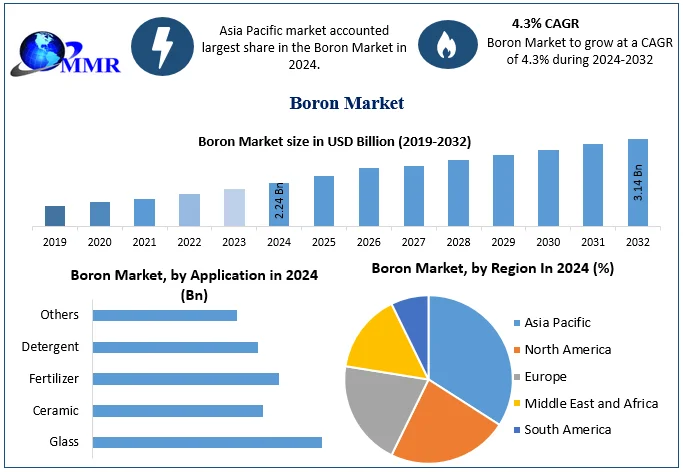
Market OverviewThe Global Boron Market is witnessing steady expansion due to its critical role in multiple industries, including construction, agriculture, electronics, and clean energy. Boron’s versatility and performance-enhancing properties are driving its adoption globally. The market is expected to grow at a stable CAGR during the forecast period, supported by industrial growth and...
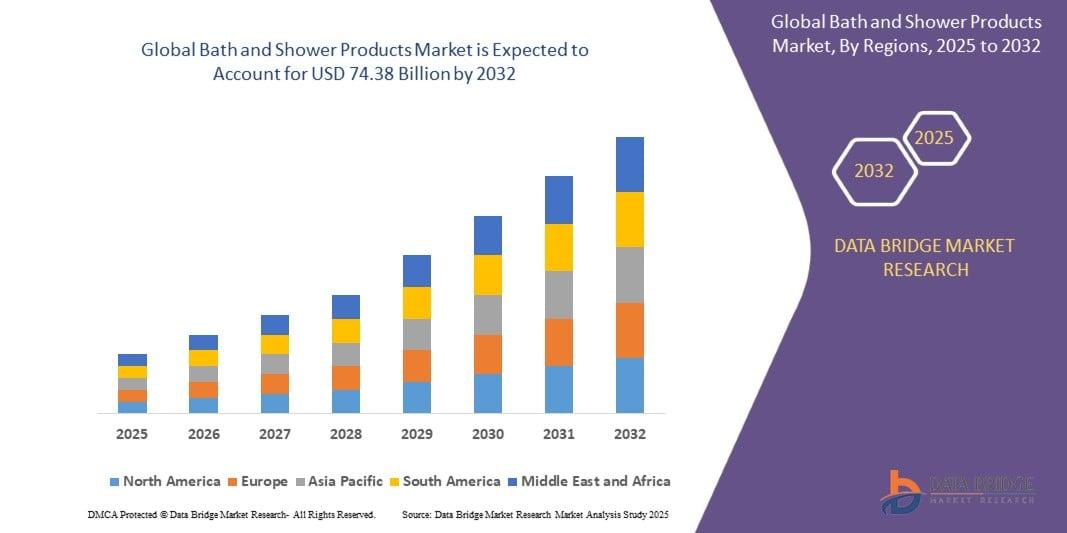
According to the latest report published by Data Bridge Market Research, the Bath and Shower Products Market The global bath and shower products market size was valued at USD 52.10 billion in 2024 and is expected to reach USD 74.38 billion by 2032, at a CAGR of 4.55% during the forecast period Market research analysis and data in this Bath and Shower...
The pump looked fine in the catalogue. The price was also low. Then the buyer used it with solvent, the handle became rough within weeks, and nobody from the supplier side wanted to discuss leakage after dispatch. That is where cheap buying becomes expensive. For industries handling oils, solvents, mild chemicals, fuels, and general industrial liquids, buying from trusted SS Hand Pump Dealers...

"Executive Summary Thermoplastic Tapes Market Size and Share Forecast Data Bridge Market Research analyses that the Thermoplastic Tapes market will project a CAGR of 6.00% for the forecast period of 2022-2029.The Thermoplastic Tapes Market report showcases the list of top competitors and gives the insights on strategic industry analysis of the key factors affecting the market....