Advanced Brewing Thermoregulation Systems Supporting Rocket Appartamento Performance
In speciality coffee, achieving the perfect espresso shot balances grind size, pressure, and thermal consistency. For home baristas seeking cafe-quality extraction, the Rocket Apparatus remains a benchmark of prosumer excellence. This iconic machine relies on traditional heat exchanger mechanics to brew and steam simultaneously. However, maintaining the precise temperature required for diverse roasts demands an understanding of internal thermodynamics, as traditional setups often struggle with stability due to structural heat loss. In high-performance domestic machines, a minor variance of two degrees Fahrenheit can turn a bright single-origin coffee sour or bitter. Consequently, advanced brewing thermoregulation systems play a vital role, helping enthusiasts perfect the thermal dynamics governing these premium units and ensuring every extraction occurs within the golden zone.
The Mechanics of Heat Exchanger Dynamics
At the heart of the machine lies a large copper boiler dedicated to steam production, with an internal copper pipe, the heat exchanger, running directly through it. As fresh water travels from the reservoir, it flash heats to brewing temperatures. This dual-purpose configuration is highly efficient, allowing users to pull shots and froth milk simultaneously without waiting for the boiler to change states.
While this heat exchanger system delivers exceptional steam power, it inherently creates a unique thermal challenge during idle periods. Because the water inside the tube sits surrounded by superheated steam, its temperature rises rapidly when idle. This results in an initial pocket of overheated water that can easily scorch an espresso puck if left unmanaged. Recognising this behaviour is the first step toward implementing effective thermoregulation strategies for Rocket's compact prosumer espresso machine.
The E61 Group Head as a Thermal Anchor
To mitigate rapid temperature spikes common in heat exchanger designs, the machine utilises the legendary E61 group head. Crafted from solid brass, this component acts as a thermal flywheel, helping regulate brewing temperatures. It relies on a continuous thermosiphon loop that circulates hot water from the boiler through the group head. In a Rocket coffee machine, this design helps absorb and dissipate excess heat, creating a more stable environment for espresso extraction.
However, a traditional thermosiphon system cannot instantly adjust to repeated brewing cycles or long idle periods. During consecutive extractions, the group head may become heat-soaked. causing higher brew temperatures. After extended inactivity, an initial cooling flush is often needed. These limitations have encouraged many enthusiasts to adopt advanced temperature-control upgrades for greater brewing precision.
Advanced Upgrades for Digital Temperature Control
The most effective way to enhance baseline Rocket Apartment performance is through the integration of digital thermonitoring tools. Chief among these is retrofitting a digital group head thermometer. Installed into the E61 chamber, this sensor provides real-time, precise readouts of the water temperature right before it hits the coffee bed. This removes guesswork from traditional cooling flushes, letting the barista know exactly when the system has reached the optimal brewing threshold.
For tighter control, external PID (Proportional-Integral-Derivative) controllers can manage boiler pressure more precisely than stock mechanical pressure stats. By constantly pulsing power to the heating element based on algorithmic feedback, a PID limits internal temperature swings. Combined with a custom-calibrated thermosiphon restrictor orifice, these systems adjust the passive water loop, stabilizing the idling temperature and tailoring the thermal profile to specific roast types.
Best Practices for Thermal Consistency
Hardware upgrades are effective, but maximizing the potential of the Rocket Appartamento requires optimized workflow habits. Achieving true thermal equilibrium begins with a proper warm-up cycle. Baristas should allow the machine to heat up for thirty to forty-five minutes before pulling a shot. This ensures the massive brass group head and portafilter are fully saturated with heat, preventing them from stealing warmth from the brewing water.
Mastering the "flush-and-go" technique is crucial for managing the heat exchanger's characteristic thermal curve. By running a brief five-second stream of water, you eliminate the superheated water trap. Once the sizzling stops, the system stabilizes, allowing you to lock in the portafilter and extract immediately. This disciplined approach bridges the gap between classic Italian engineering and modern coffee precision.
Beyond daily operations, sustaining peak efficiency requires long-term preventive maintenance. Over time, mineral scale buildup inside the thermosiphon loop acts as an insulator, disrupting heat transfer. Implementing regular backflushing with scale-inhibiting water keeps internal pathways clear, safeguarding the machine's ability to deliver repeatable, temperature-stable extractions.
Conclusion
The pursuit of the perfect espresso is a journey of controlling variables, with temperature being one of the most volatile. While the foundational design of classic prosumer machinery offers incredible reliability and tactile joy, integrating advanced brewing thermoregulation systems elevates the experience to new heights. By understanding heat exchanger dynamics, monitoring the E61 group head, and utilizing modern digital upgrades, baristas can enjoy unparalleled consistency, turning every extraction into a flawless expression of flavour.
Категории
Больше
In the fast-paced world of online content creation, every penny counts. For creators, maximizing earnings isn't just about getting more subscribers; it's about making sure your hard-earned tips aren't evaporating into platform fees and restrictive features. While many creators started their journey on platforms like fan4you, a significant shift is happening as savvy professionals move to...

Creating a home that truly reflects your personality is no longer a luxury—it’s a necessity. Today’s homeowners want spaces that are not only stylish but also functional, comfortable, and tailored to their lifestyle. This is where custom home interior solutions in Ghaziabad come into the picture. With the rapid development of residential areas like Indirapuram, Wave...

" According to the latest report published by Data Bridge Market Research, the Industrial Lifting Equipment Market Global industrial lifting equipment market size was valued at USD 85.21 billion in 2024 and is projected to reach USD 123.99 billion by 2032, with a CAGR of 4.80% during the forecast period of 2025 to 2032.Industrial Lifting Equipment Market analysis report has...

Drinking Water Adsorbents Market: Growth Trends and Global Outlook Introduction Access to clean, safe drinking water remains one of the most pressing challenges facing communities worldwide. Behind every glass of clean tap water lies a network of advanced materials working to remove contaminants, pollutants, and impurities before water reaches homes and businesses. As water contamination...
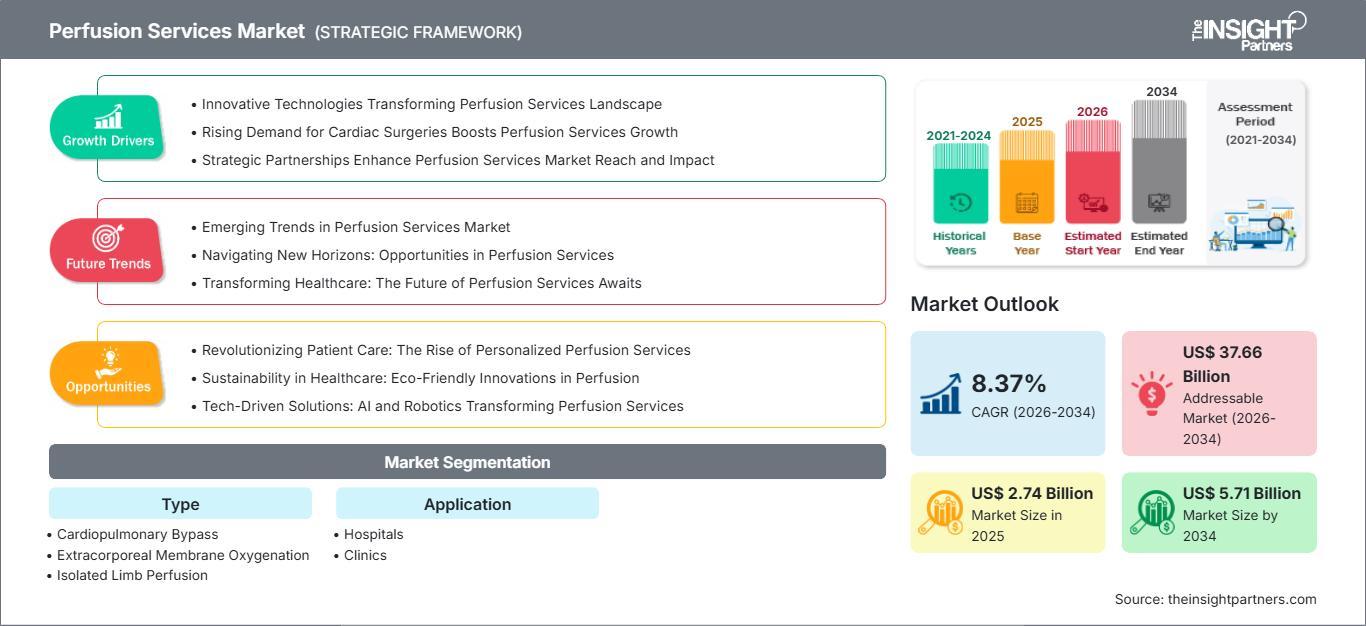
The clinical landscape in North America Perfusion Services Market is experiencing a significant shift as the healthcare sector grapples with an escalating chronic disease crisis. The North America perfusion services market is expanding rapidly, underpinned by a sophisticated medical infrastructure and a high volume of complex surgical interventions. Perfusion services, which involve the...