


SharePoint Project Rescue Services to Stabilize Stalled Modernization Initiatives
Modernizing SharePoint environments is rarely a straight path. Many organizations begin with strong intent, only to find their initiatives slowing down, missing deadlines, and losing alignment with business expectations. When a SharePoint modernization effort stalls, it doesn’t just become a technical problem—it turns into a leadership concern. This is where SharePoint Project Rescue Services become critical, helping organizations regain control, restore confidence, and move forward with clarity.
Understanding Why SharePoint Modernization Projects Fail
Most stalled SharePoint programs don’t fail because of a single issue. Instead, problems accumulate over time. Common challenges include unclear requirements, poor governance, lack of user adoption, and underestimated technical complexity. In many cases, legacy customizations create unexpected compatibility issues during migration to SharePoint Online or modern SharePoint frameworks.
Another frequent issue is misalignment between IT teams and business stakeholders. While technical teams may focus on architecture and migration, business leaders expect improved collaboration, faster workflows, and measurable productivity gains. When these expectations are not managed properly, stakeholder confidence begins to erode.
What SharePoint Project Rescue Services Actually Do
When a project reaches a critical point, rescue services step in with a structured recovery approach. The first priority is assessment—understanding what has been completed, what is broken, and what can still be salvaged. This includes reviewing site architecture, workflows, permissions, integrations, and governance models.
Next comes stabilization. This phase focuses on stopping further degradation. It may involve fixing broken sites, simplifying over-engineered solutions, or rolling back unstable deployments. The goal is to create a stable foundation before any new development continues.
Finally, a realistic roadmap is created. Unlike the original plan, this roadmap is based on current realities rather than assumptions. It prioritizes business-critical functions and introduces phased delivery instead of large-scale, risky deployments.
Rebuilding Stakeholder Confidence
One of the most important outcomes of SharePoint rescue work is restoring trust. Leadership teams need transparency about what went wrong and what can be fixed. Regular reporting, clear milestones, and measurable progress help rebuild credibility.
Equally important is communication with end users. If employees have lost faith in the platform, adoption will remain low regardless of technical improvements. Rescue services often include user experience improvements, training, and simplified navigation structures to encourage re-engagement.
Conclusion
A stalled SharePoint modernization project is not the end—it is a signal that intervention is required. With structured SharePoint Project Rescue Services, organizations can move from uncertainty to stability, and from frustration to measurable progress. The key is not to restart blindly, but to rescue what works, fix what doesn’t, and rebuild with a clear, achievable path forward.
Categorieën
Read More
Finding a reliable place to store your belongings can be challenging, especially when security and convenience are top priorities. Whether you’re moving home, renovating, running a business, or simply running out of space, Secure Self Storage Hamilton offers a smart, stress-free solution. With modern facilities, advanced security features, and flexible rental options, self storage in...

"According to the latest report published by Data Bridge Market Research, the Vibration Monitoring Market Data Bridge Market Research analyses that the global vibration monitoring market which was USD 1,400 million in 2022, would rocket up to USD 2,300 million by 2030, and is expected to undergo a CAGR of 5.8% during the forecast period. The large scale Vibration Monitoring Market...
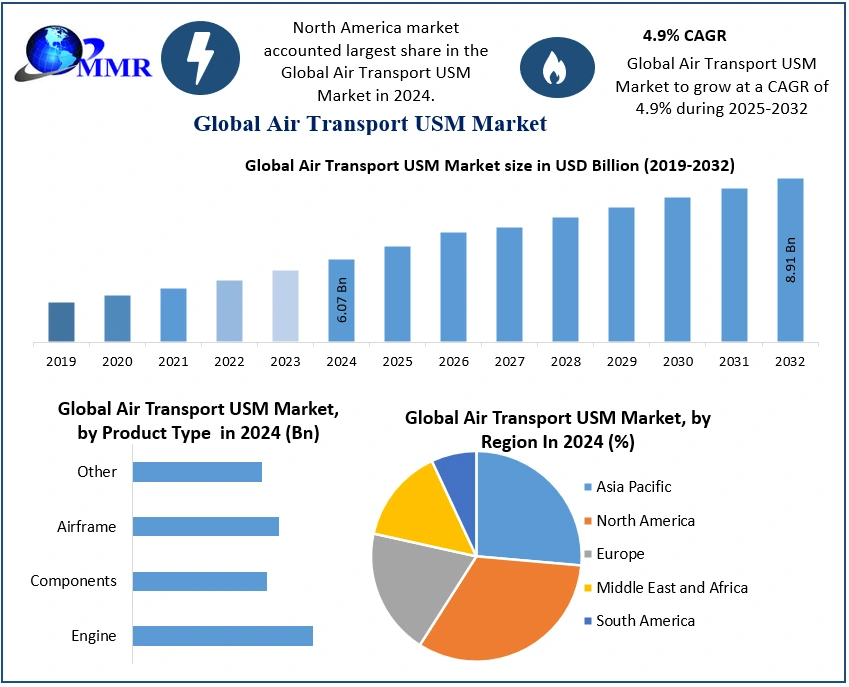
Global Air Transport USM Market Gains Momentum with Rising Passenger Demand and Digital Transformation The global Air Transport Unit Load Device (ULD) and Unit Service Management (USM) market is experiencing steady growth, driven by the rapid expansion of the aviation industry, increasing air passenger traffic, and the growing need for efficient cargo and baggage handling systems....
Comprehensive Outlook on Executive Summary Artificial Intelligence Market Size and Share the Artificial Intelligence report includes a range of inhibitors as well as driving forces of the market which are analysed in both qualitative and quantitative approaches so that readers and users get precise information and insights about Artificial Intelligence Market industry. Statistical...
According to the latest report published by Data Bridge Market Research, the Anxiolytics Market Global anxiolytics market size was valued at USD 932.07 million in 2024 and is projected to reach USD 1325.50 million by 2032, with a CAGR of 4.5% during the forecast period of 2025 to 2032. Competitive analysis carried out in the credible Anxiolytics Market report gives a...