Which Is the Best Uber Clone Script for Startups?

The best Uber clone script for a startup is one that's affordable upfront, ships with full source-code ownership, customizes deeply, includes reliable support and updates, and lets you launch fast—because for a startup, speed and runway matter more than feature bloat.
There's no single "best" clone for everyone, but there is a best fit for a startup specifically. A funded enterprise can absorb things a startup can't. So let's define "best" through a startup's eyes—tight budget, small team, urgent timeline—and the criteria become clear.
Criterion 1: Affordability without a trap
A startup's first concern is capital efficiency. The best Uber clone charges a sensible one-time license rather than draining your runway with heavy recurring fees before you've earned a dollar. Check the Uber clone pricing structure carefully and watch for the trap: a cheap headline price attached to a product with no support or documentation, which costs you far more later in patched-together fixes.
Criterion 2: Real ownership
This separates a foundation from a rental. The best script gives you the source code and a clear ownership model, so your business isn't permanently hostage to one vendor. If you can't access or extend the code, you don't really own your product—and a startup that doesn't own its core asset is on shaky ground.
Criterion 3: Genuine customization
Startups pivot. Your model on launch day may not be your model six months later. The best Uber clone script lets you change pricing, vehicle types, regions, and branding without rebuilding, so you can adapt as you learn. A rigid app that only allows a logo swap will fight you the moment you need to evolve.
Criterion 4: Support and updates that actually exist
A small team cannot maintain everything alone. Operating systems change, security issues appear, app stores update their rules. The best vendor ships ongoing updates and responsive support, effectively extending your engineering team without payroll. For a startup, that's not a luxury—it's survival. Strong ride-hailing app development partners treat post-launch support as part of the product, not an upsell.
Criterion 5: Speed to launch
Every week before launch is a week of burn with no revenue. The best script is configured and live in weeks, not months, so you start learning from real users fast. A startup's biggest risk isn't competition—it's running out of money before validating the idea. Fast launch directly de-risks that.
How to actually compare options
Don't judge on feature checklists alone—everyone lists the same features. Instead:
-
Test the real product. Walk through a Uber clone demo and judge the flow, speed, and polish yourself.
-
Read the support terms. What's included, for how long, and how fast do they respond?
-
Probe customization limits. Ask exactly what you can change without paying for custom development.
-
Confirm ownership. Get the code and licensing terms in writing.
A vendor confident in their product will happily show you all four.
What startups should not over-prioritize
It's tempting to chase the longest feature list. Resist. You don't need ride-pooling, fifteen vehicle tiers, and an ad network on day one. You need a clean, reliable core you can launch and learn from. A taxi app like Uber that nails the essentials and can grow with you beats a bloated one you can't fully use or afford to maintain.
Red flags to walk away from
A few warning signs should end the conversation quickly. A vendor who won't let you see the actual product before paying is hiding something. Vague answers about source-code ownership usually mean you won't have it. No documentation signals you'll be reverse-engineering the app the first time anything breaks. "Lifetime free updates" with no support team behind it is a promise nobody can keep. And a price far below everyone else's, with no explanation, almost always means hidden costs or abandoned code. Startups have thin margins for error, so trust your instincts here—if a deal feels too good or too opaque, the cleanup cost later will dwarf whatever you saved upfront. A trustworthy partner answers hard questions plainly.
Bottom line
The best Uber clone script for a startup isn't the flashiest—it's the one that respects your three scarcest resources: money, time, and team capacity. Look for affordability with real support, true ownership, deep customization, and a fast path to launch. Test it yourself, get the terms in writing, and pick the foundation that lets you start lean and scale on your own timeline.
Nach Verein filtern
Read More
"Executive Summary Serum Market Size and Share: Global Industry Snapshot CAGR Value The global serum market was valued at USD 1.57 billion in 2024 and is expected to reach USD 3.37 billion by 2032 During the forecast period of 2025 to 2032 the market is likely to grow at a CAGR of 10.00%, primarily driven by the increasing demand for diagnostic and therapeutic application. Research...

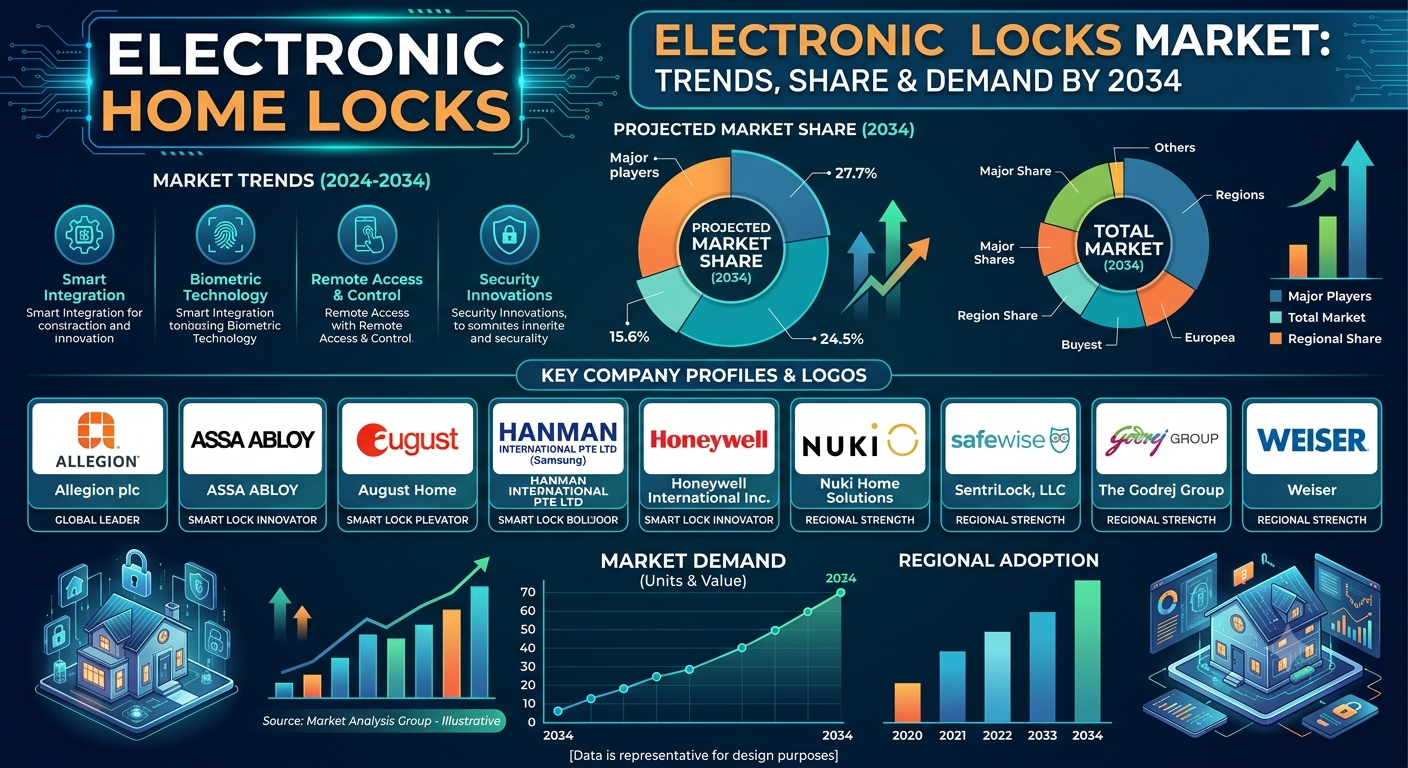
North America continues to lead the adoption of intelligent residential security solutions as homeowners increasingly invest in connected home technologies. Rising concerns over property security, expanding smart home ecosystems, and continuous technological innovation are transforming how consumers protect their homes. Across the United States and Canada, electronic home locks are becoming an...
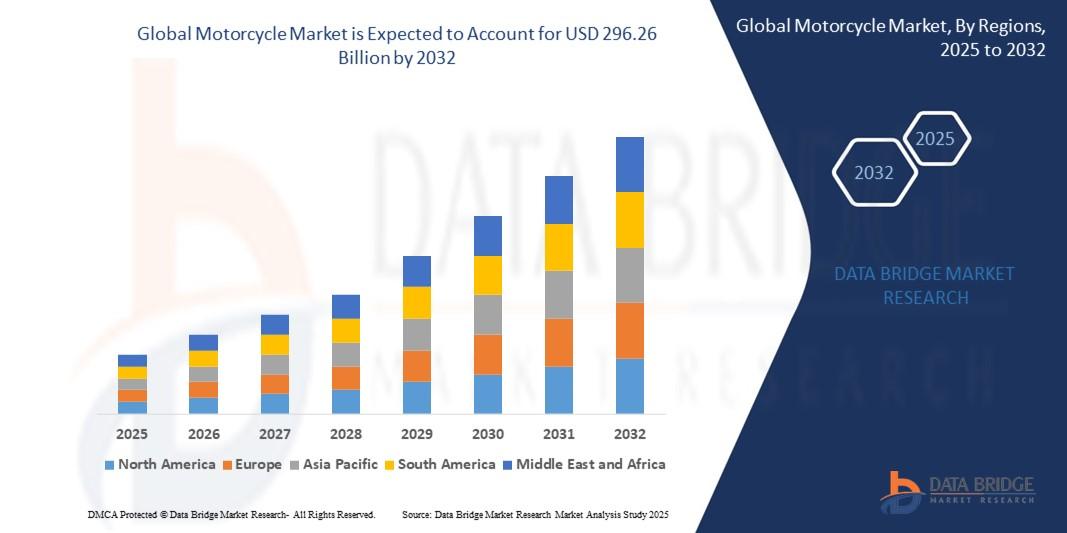
Introduction The motorcycle market plays a vital role in the global transportation landscape, offering affordable, efficient, and convenient mobility solutions for millions of riders worldwide. Motorcycles are not just vehicles; they represent freedom, adventure, and practicality. From daily commuting in urban areas to long-distance touring and motorsports, motorcycles cater to...
Diamond Quest Mechanics Diamond Quest in MLB The Show 25 is a new addition to the Diamond Dynasty mode, offering players a chance to earn unique rewards through a series of challenges. Since this mode is unfamiliar to many, understanding its mechanics can be confusing at first. This guide aims to clarify how to effectively navigate and maximize your chances in Diamond Quest. When you start...

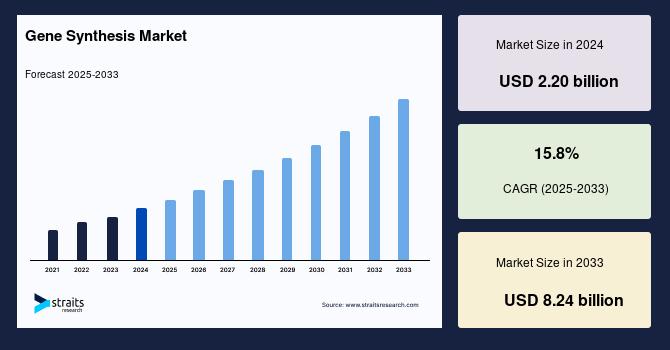
The global Gene Synthesis Market is witnessing robust growth as advances in synthetic biology, genomics, and molecular biology accelerate demand for customized DNA sequences. Gene synthesis involves the artificial creation of genes without the need for natural DNA templates, enabling researchers to design and optimize genetic material for a wide range of applications in healthcare,...