


How Non-Redundant Plex Server Storage Helps You Scale Your Media Library Efficiently

As your Plex media collection grows, finding enough storage space becomes one of the biggest challenges. Whether you're storing movies, TV series, music, or personal media files, every new addition requires more capacity. That's why many users are turning to non-redundant plex server storage as a practical and cost-effective solution.
Instead of spending money on duplicate drives for redundancy, this storage method allows you to use every available terabyte for actual content. For media enthusiasts who want to expand quickly without overspending, non-redundant storage can be a smart choice.
Why Storage Efficiency Matters
Growing Libraries Need More Space
Modern media files are larger than ever. High-definition movies, 4K content, and lossless audio collections can consume terabytes of storage surprisingly fast. If you're building a long-term Plex library, maximizing storage efficiency becomes essential.
With non-redundant storage, every hard drive contributes directly to your available space. This means you can store more content while keeping hardware costs manageable.
Better Value for Your Investment
Many users have limited budgets when building a Plex server. Investing in additional storage instead of duplicate backup drives often provides better value, especially for collections that can be recreated or downloaded again if necessary.
This allows users to focus their spending on larger drives, faster hardware, or improved server performance.
The Flexibility Advantage
Easy Expansion Over Time
One of the greatest benefits of non-redundant storage is flexibility. You can add new drives whenever your library grows instead of planning complex storage arrays from the beginning.
This gradual approach makes it easier for beginners to build a Plex server without making a large upfront investment.
Simple Drive Management
Managing individual drives is often less complicated than maintaining RAID configurations. Users can organize content by categories, genres, or media types while keeping storage management straightforward.
For many home server owners, simplicity is a major advantage that saves both time and frustration.
Balancing Risk and Reward
Understanding the Trade-Off
The primary trade-off with non-redundant storage is the lack of built-in protection against drive failure. If a drive fails, the data stored on that drive may be lost.
However, many Plex users accept this risk because the cost savings and increased storage capacity outweigh the potential drawbacks.
Creating a Smart Backup Plan
Even with non-redundant storage, important files should always be backed up separately. Family photos, personal videos, and irreplaceable documents deserve additional protection.
A selective backup strategy allows you to enjoy the benefits of non-redundant storage while protecting your most valuable data.
Conclusion
For Plex users looking to maximize storage capacity, reduce costs, and simplify server management, non-redundant storage offers a compelling solution. It provides the flexibility to grow your media library at your own pace while making the most of every storage drive you purchase.
Ready to Build a More Efficient Plex Server?
Explore expert tips, hosting solutions, and practical guides at Hostyd to learn how non-redundant Plex server storage can help you create a scalable and affordable media server for years to come.
Κατηγορίες
Διαβάζω περισσότερα
Every year, millions of Muslims visit the holy cities of Makkah and Madinah to perform Umrah and Hajj. Along with completing the religious rituals, many pilgrims also wish to explore the historical landmarks connected with the life of Prophet Muhammad (ﷺ) and the early days of Islam. This spiritual experience, known as ziyarat in Makkah, helps visitors gain a deeper understanding of Islamic...

Environmental Hazard Monitoring Solutions refer to advanced systems and technologies designed to detect, analyze, and manage environmental risks such as air pollution, water contamination, radiation exposure, chemical leaks, and natural disasters. These solutions integrate sensors, IoT platforms, AI-based analytics, and real-time reporting tools to provide actionable insights for governments,...
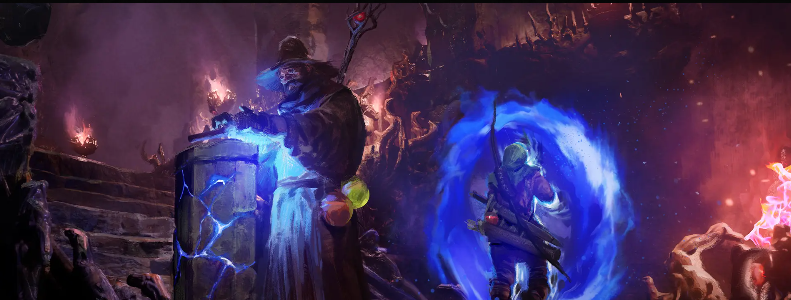
In Dark and Darker, players must navigate through perilous dungeons filled with dangerous foes, and one such adversary is the Frost Skeleton Axeman. This fearsome undead warrior resides in the icy depths of the Ice Caverns and Ice Abyss, posing a significant challenge to adventurers seeking Dark And Darker Gold and valuable Dark and Darker Items. Frost Skeleton Axeman – Normal Variant The...
Dental implants have become one of the most trusted and effective solutions for replacing missing teeth. They offer a natural appearance, excellent functionality, and long-term durability that traditional tooth replacement options often cannot match. If you are considering dental implants, one of the most common questions you may have is: “How long do dental implants last?” The good...

Drill Bit Market is supported by rising exploration activities in the mining and oil and gas sectors. Advanced drilling tools play a critical role in improving operational efficiency and reducing drilling costs. Manufacturers continue to introduce innovative solutions for demanding industrial applications. The Drill Bit Market is witnessing consistent growth due to...
