


Vortex Fire Safety Consultancy | Expert Fire Protection

Taking a deeper dive into the consultancy model and the benefits of independent fire safety inspections
While many companies simply sign their name on the plans and forget about them, Vortex Fire Safety Consultancy offers a fresh take. Their consultants have been hand-picked for their deep understanding of fire risk – not just passing the test by a hair, but creating a safe environment that lasts. This approach is evident in every project, from its conception to its completion.
What Vortex Fire Safety Consultant Brings to the Table
At Vortex Fire Safety Consultant, we cover projects of all sizes, from large scale manufacturing and industrial projects to commercial projects and infrastructure projects. Our team members not only possess extensive knowledge of fire codes but also know how to apply engineering principles, thus providing our customers with sound technical advice.
We take time to understand what your building requires and customize our services according to your needs. It could be a performance-based fire engineering approach for an atrium space, hazardous materials storage guidelines for an industrial site, or a dedicated egress design for a crowded building. We tailor our services to match each project.
Our specialized services are particularly useful for businesses in manufacturing and spare parts industries. Buildings that store their goods on racking, use combustible materials, and feature automated handling systems can benefit significantly.
The Role of Third Party Fire Protection Inspections
One of the most important services in the field of fire protection is third-party inspection. This service includes independent engineers or firms examining fire protection systems to ensure that the system has been installed, designed and commissioned properly.
What's the point? Well, having the same engineering firm design and commission the installation of a system raises an obvious conflict of interests. The inspection will reveal anything that could have gone wrong with the installation process, such as mistakes, deviations from the specifications or incorrect parts used. There may even be systems that pass all the tests yet do not comply with the requirements in terms of design.
Increasingly third party fire protection inspections are becoming a requirement not only among insurance companies but building owners, especially large developers. This ensures that systems are safe and proper for their intended use – crucial when there is some kind of a problem down the road.
The services offered by Vortex Fire Safety Consultant include third party fire protection inspection, provided independently with full reports.
A Relationship-Based Approach
Fire safety consultancy services cannot be approached from the perspective of a transaction. It requires building relationships that Vortex is very much committed to doing by demonstrating dependability, communication, and interest in delivering a successful project outcome for its clients.
Conclusion
The philosophy underlying Vortex Fire Safety Consultancy revolves around the fact that proper fire safety is possibly one of the best investments any building owner or builder could ever make. Put together with impartial and third party fire protection inspections, this will give clients assurance that they are dealing with a consultancy with an unmatched sense of integrity.
For those seeking consultancy, a discussion is definitely in order.
FAQs
What types of projects do Vortex Fire Safety Consultants typically work on?
Vortex works across industrial, commercial, residential, and infrastructure projects, including manufacturing facilities, warehouses, mixed-use developments, and large-scale institutional buildings.
Who typically requests third party fire protection inspections?
They're commonly required by building authorities, insurers, and major project owners — and are increasingly included as a standard requirement in large construction contracts.
How early in a project should I engage a fire safety consultant?
The earlier the better. Engaging at the concept or schematic design stage allows fire safety to be integrated into the design rather than retrofitted — which saves time and cost.
Categorie
Leggi tutto
The popularity of stylish watches continues to grow because watches are now considered an important fashion accessory rather than just a time-checking device. Many people want luxury-style watches but do not wish to spend large amounts of money on expensive brands. This is why the demand for a First Copy Watch Collection has increased rapidly among fashion enthusiasts who want premium-inspired...

Motor Soft Starter Market Powers Industrial Efficiency as Smart Automation and Energy Optimization Drive Global Growth Pune, India – The global Motor Soft Starter Market is experiencing strong momentum as industries worldwide prioritize operational efficiency, equipment protection, energy management, and digital transformation. As manufacturing facilities, utilities, infrastructure...

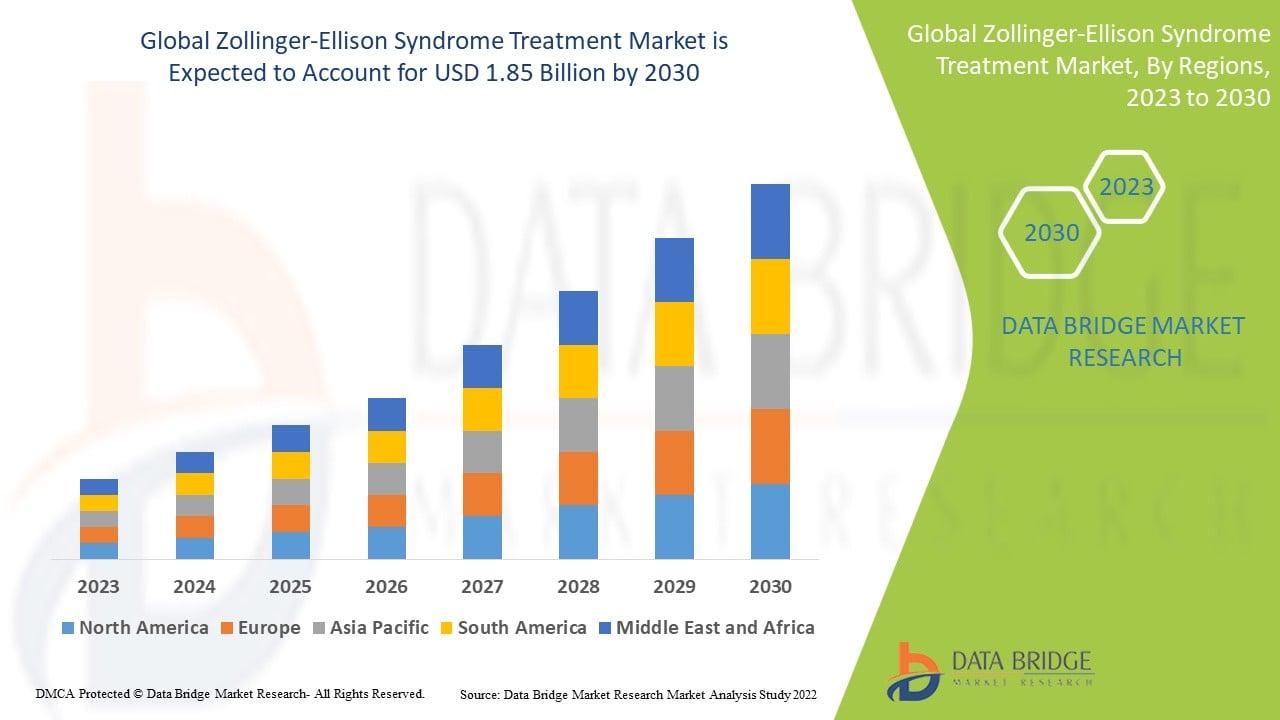
"Global Demand Outlook for Executive Summary Zollinger-Ellison Syndrome Treatment Market Size and Share Data Bridge Market Research analyses a growth rate in the zollinger-ellison syndrome treatment market in the forecast period 2023-2030. The expected CAGR of zollinger-ellison syndrome treatment market is tend to be around 4.50% in the mentioned forecast period. In order to...
"Executive Summary Europe Robotic Vacuum Cleaner Market: Share, Size & Strategic Insights Europe robotic vacuum cleaner market size was valued at USD 1.65 billion in 2024 and is projected to reach USD 3.39 billion by 2032, with a CAGR of 9.40% during the forecast period of 2025 to 2032. The key topics that have been described in this Europe Robotic Vacuum Cleaner Market report include...

Planning your next city escape is an exciting process, especially when you can find ways to explore famous landmarks without overspending. Many travelers rely on hop-on hop-off bus tours to navigate busy urban environments efficiently while soaking in the local history and culture at their own pace. These sightseeing tours provide a flexible way to see the sights, and...
