FIFA 2026 Is Already Reshaping Short-Term Rental Pricing Across the U.S.

The FIFA 2026 World Cup short-term rental pricing story isn't about soccer. It's about demand, revenue, and how differently hosts are responding to one of the largest travel events ever hosted in the United States.
With the tournament still on the horizon, pricing patterns across host cities are already revealing a surprising divide. Some operators are treating the World Cup as the revenue opportunity of a lifetime. Others appear to be pricing their properties as if summer 2026 will be business as usual.
That difference could have a major impact on earnings.
For the short-term rental industry, the World Cup represents more than packed stadiums and international tourism. It is a real-world test of pricing strategy, market awareness, and revenue management discipline.
A Different Kind of Demand Event
The hospitality industry has plenty of experience with high-demand periods. Major concerts, championship games, and conventions regularly push occupancy levels higher and drive rate increases.
The FIFA World Cup is different because demand doesn't arrive all at once and disappear a few days later.
Over 39 days, millions of travelers will move between cities, follow tournament schedules, and build extended vacations around the event. Many visitors will spend time exploring destinations before and after matches, creating booking activity that stretches far beyond game days.
For hosts, this changes the way pricing should be approached.
Success will depend less on identifying a handful of peak nights and more on understanding how demand evolves throughout the tournament.
The Gap Between Hotels and Short-Term Rentals
One of the most interesting trends emerging from current pricing data is the growing difference between hotel rates and short-term rental rates in several host markets.
Hotels are doing what hotels have always done. They're preparing early.
Large hotel brands rely on dedicated revenue management teams that analyze demand months in advance. As expectations rise, prices adjust accordingly.
In some cities, short-term rentals have followed the same path.
In others, they haven't.
Markets such as Dallas, Kansas City, Atlanta, and Miami appear to be pricing with confidence, recognizing that international demand will likely place significant pressure on available inventory.
Meanwhile, several larger markets continue to show signs of caution. Despite their global appeal and expected visitor volumes, many vacation rentals remain priced below comparable hotel accommodations.
That may help secure bookings.
It may also mean hosts are underestimating what travelers are willing to pay.
Occupancy Doesn't Always Equal Success
One of the most common mistakes in short-term rental management is treating occupancy as the ultimate goal.
A full calendar feels like a win.
But during a major event, occupancy alone doesn't tell the full story.
A property that sells out quickly at an average rate may generate less revenue than a property that books later at a significantly higher price. The difference becomes especially important during periods of extraordinary demand when travelers have fewer accommodation options.
The World Cup will likely reward hosts who focus on revenue optimization rather than simply filling available nights.
That shift in mindset could make all the difference.
Why Secondary Markets Matter
When people think about World Cup accommodations, they naturally focus on host cities.
But some of the biggest opportunities may exist outside those city centers.
As availability tightens and rates increase, many travelers will begin looking for alternatives nearby. Surrounding communities often benefit from this overflow demand, particularly when they offer easier parking, larger homes, or more affordable options for groups and families.
This pattern has been seen during major events around the world.
The World Cup is expected to be no different.
For hosts located within driving distance of host venues, the tournament may create demand levels that would normally be difficult to achieve during a typical summer season.
The Limits of Historical Data
Most pricing decisions rely on historical performance.
That approach works well under normal circumstances because past trends often provide a reliable guide for future demand.
The FIFA World Cup presents a unique challenge.
There is no comparable event in U.S. short-term rental history.
The scale of international travel, the duration of the tournament, and the number of participating markets make it difficult to rely solely on historical data. What worked during previous summers may not be relevant in 2026.
This is one reason many revenue managers are paying close attention to real-time indicators such as hotel pricing, booking pace, market compression, and traveler behavior.
The operators who remain flexible will likely have a significant advantage.
The Hosts Who Win Will Adapt Quickly
The most successful hosts during the World Cup will not necessarily have the best properties.
They will have the best strategy.
They will monitor demand, adjust rates as conditions change, and recognize when the market is signaling higher value. Rather than relying entirely on automated recommendations, they will actively manage their inventory and respond to new information.
In a market moving this quickly, small pricing decisions can have a meaningful impact on revenue outcomes.
That is why preparation matters.
Looking Beyond 2026
The FIFA World Cup will eventually come and go, but the lessons learned from it could influence the short-term rental industry for years.
Hosts will gain valuable insights into international travel demand, dynamic pricing, and large-scale event management. Markets that perform well may rethink how they approach future revenue opportunities, while others may look back and realize they underestimated the value of their inventory.
For now, one thing is becoming increasingly clear.
The FIFA 2026 World Cup is not just another event on the calendar. It is shaping up to be the most significant pricing and revenue management opportunity the U.S. short-term rental market has ever encountered.
And in many cities, the market is already telling that story.
Nach Verein filtern
Read More
Modern Women Are Obsessed with Korean Co Ord Sets—Here’s Why Fashion trends evolve constantly, but only a few styles manage to capture the attention of women across the world and become true wardrobe essentials. One trend that has achieved this status is Korean co ord sets. Inspired by Korean street fashion, K-drama aesthetics, and modern minimalist dressing, these matching...

Celestial Cat Comedy Divine Feline: Exploring the Celestial Comedy of 'Exploding Kittens' In a delightful twist on the eternal battle between cosmic forces, 'Exploding Kittens' reimagines divinity and wickedness in the most unexpected vessels—plump household cats. This adult animated series brings a fresh perspective to age-old theological concepts with a generous helping of feline...

디지털 환경에서 슬롯사이트 추천 콘텐츠는 검색 엔진, 커뮤니티, 블로그 네트워크를 통해 빠르게 확산된다. 하나의 콘텐츠가 생성되면 동일하거나 유사한 형태로 재가공되어 여러 플랫폼에 반복적으로 노출되는 구조를 가진다. 이러한 확산 방식은 정보 접근성을 높이는 장점이 있지만, 동시에 동일한 내용이 반복되는 정보 과잉 현상을 발생시키기도 한다. 결과적으로 슬롯사이트 추천 정보는 다양해 보이지만 실제로는 유사한 구조를 공유하는 경우가 많다. 슬롯사이트 추천과 검색 알고리즘 구조 검색 엔진 알고리즘은 슬롯사이트 추천 콘텐츠 노출에 큰 영향을 미친다. 키워드 반복, 제목 구조, 콘텐츠 길이, 내부 링크 구조 등이 검색 순위 결정 요소로 작용한다. 이 과정에서 정보의 질보다 SEO 최적화 수준이 노출...
A well-maintained environment is essential for organizations that want to operate efficiently and leave a lasting positive impression. Cleanliness affects how people perceive a space and how comfortably they can function within it. From corporate offices to commercial buildings, consistent cleaning practices contribute to smoother workflows and stronger reputations. This article explores the...

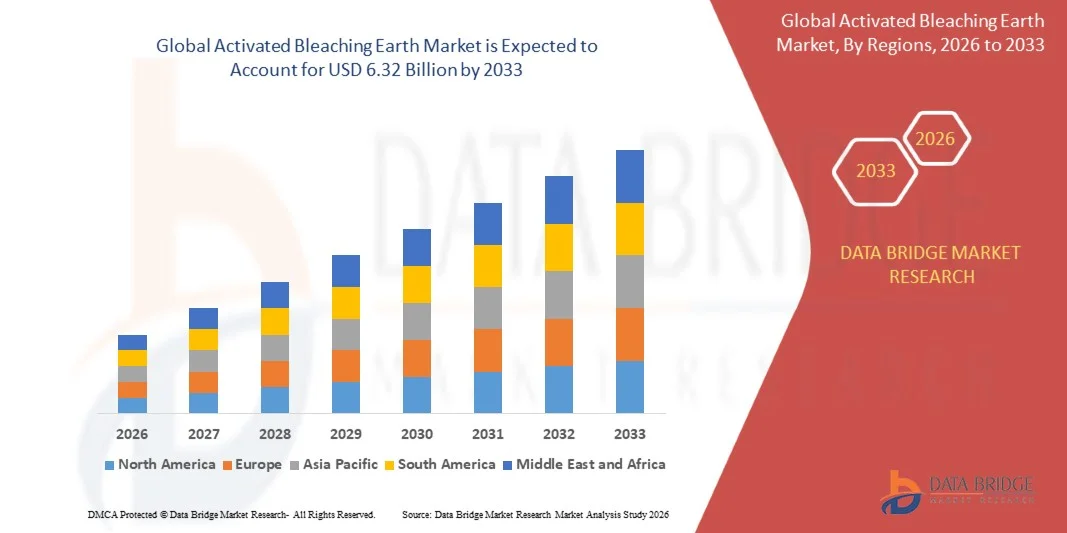
" According to the latest report published by Data Bridge Market Research, the Activated Bleaching Earth Market The global activated bleaching earth market size was valued at USD 4.76 billion in 2025 and is expected to reach USD 6.32 billion by 2033, at a CAGR of 3.62% during the forecast period Winning Activated Bleaching Earth Market research...