


A Complete Guide to Reducing Taxable Income Through Employee Benefits

Taxes take a big bite. Federal income tax. State income tax if your state has it. Social Security. Medicare. Add it all up and a huge chunk of every paycheck goes somewhere else. The government gets it. You don't. It's frustrating. You work hard. You earn the money. Then you watch it disappear before it even hits your bank account. But here's something a lot of people don't know. Some of that money doesn't have to be taxed. There's a legal way to set aside part of your paycheck for certain expenses. That money never gets counted as income. No federal tax. No Social Security. No Medicare. It just goes straight to the things you need anyway. Health insurance. Doctor bills. Prescriptions. Childcare. Dental work. Glasses. The savings add up fast. Thousands per year for many families.
What Are Section 125 Pretax Deductions
The tax code has a section. Section 125. It sounds boring. It's not. This section allows employers to set up something called a cafeteria plan. The name comes from the idea that employees can pick and choose benefits from a menu. Like a cafeteria line. The key is this. When an employee chooses to take some of their pay in the form of benefits instead of cash, that money isn't taxable. It's a section 125 pretax deduction. The money comes out of the paycheck before taxes get calculated. The employee never pays income tax or payroll tax on that amount. The employer doesn't pay their share of payroll taxes on it either. Everyone wins. The employee keeps more of their money. The employer saves on taxes too. It's one of those rare things in the tax code that benefits everyone involved.
How a Section 125 Health Plan Works
The most common use of this rule is for health insurance. An employer offers health coverage. The employee pays part of the premium. That payment can be made through a section 125 health plan. The money gets deducted from the paycheck before taxes. The employee's taxable income goes down. The tax bill goes down. The take-home pay stays higher than it would be if they paid that same premium with after-tax dollars. The employer also saves. They don't pay their share of Social Security and Medicare taxes on that deducted amount. Over a year with many employees, those savings add up significantly. The plan itself is simple. A written document. Employee elections. Payroll handles the rest. No trust. No filing with the IRS. Just a straightforward way to lower taxes for everyone.

The Real Dollar Impact of Pretax Deductions
Numbers help explain why this matters. Let's say someone earns a decent salary. They pay a few hundred dollars each month for their share of health insurance. If they pay that with after-tax money, they have to earn roughly a third more to cover that payment. The taxes eat the rest. But if they pay through a section 125 pretax deduction, the tax never happens. They keep that third. That's real money. Enough for a car payment. Enough for a nice vacation every year. Enough to build savings. Now multiply that by the number of years someone works. The total savings are enormous. A person who uses pretax deductions for health insurance, a flexible spending account, and dependent care might save thousands annually. Over a career, that's a life-changing amount of money.
Flexible Spending Accounts Under Section 125
Health insurance premiums aren't the only thing that can be pretax. Flexible spending accounts or FSAs also fall under section 125. An employee sets aside money from each paycheck before taxes. That money goes into an account. The employee uses it to pay for medical expenses. Copays. Deductibles. Prescriptions. Glasses. Contact lenses. Dental work. Even some over-the-counter medications. The money comes out of the account tax-free. The employee saves on income taxes and payroll taxes. The only catch is the use it or lose it rule. Money set aside for a plan year generally must be used by the end of that year. Otherwise it's forfeited. Some employers offer a grace period or a small carryover amount. But the rule encourages people to plan carefully. Don't set aside more than you'll actually spend.
Dependent Care Assistance Programs
Childcare is brutally expensive. A dependent care assistance program or DCAP helps with that. It works like an FSA but for dependent care expenses. Daycare. Preschool. Before and after school programs. Summer day camps. The employee sets aside pretax money. The money gets reimbursed for eligible dependent care costs. The savings are substantial. The same tax benefits apply. No income tax. No payroll tax. The IRS sets annual limits per household. For a family paying a huge amount for childcare, the DCAP saves a significant amount in taxes. The money that would have gone to the government goes to the daycare provider instead. The family gets the same care but pays less overall because of the tax savings.
The Employer's Side of the Equation
Employers aren't doing this just to be nice. There's a financial incentive. Any payroll processed through a section 125 plan is exempt from the employer's share of FICA taxes. That's a percentage the employer would otherwise pay on those wages. For a small business with a dozen employees each contributing a few hundred dollars monthly toward health insurance, the annual savings can be substantial. The employer can use that money for other things. Higher wages. More benefits. A nicer office. The cost of setting up a basic section 125 health plan is minimal. A few hundred dollars for a plan document. Maybe a small fee to a third party administrator. The savings usually exceed the cost many times over. It's one of those rare business decisions with no downside.
What Shows Up on Your W-2
Anyone who participates in a section 125 plan will see it on their W-2 form. The amount contributed pretax for health insurance, FSAs, or dependent care appears in a box with a code. Something like Cafe 125. That amount has already been subtracted from the wages reported in the main box. The employee doesn't have to do anything special at tax time. The W-2 already reflects the lower taxable wages. Tax software or a tax preparer handles the rest automatically. It's seamless. The employee just enjoys the lower tax bill. Some people worry that lower taxable wages might reduce future Social Security benefits. That's technically true. But the trade off is usually worth it. The tax savings today outweigh any small reduction in future benefits for most people.
Nondiscrimination Rules and Who Can Participate
The IRS doesn't let employers set up these plans just for the bosses. Section 125 includes nondiscrimination rules. Plans cannot favor highly compensated employees or key employees. Eligibility to participate must be offered broadly. Contributions and benefits cannot discriminate either. There are tests that plans must pass. If a plan fails these tests, the highly compensated employees lose the tax benefits. For most employers, offering the plan to all full-time employees meets the requirements automatically. There are safe harbors and simplified rules for small businesses. A good plan document from a qualified provider addresses these issues. The key is not to set up a plan that only benefits the owners and executives. That's a red flag for the IRS.
Setting Up a Plan Without Headaches
Small business owners often think these plans are complicated. They're not. A premium only plan or POP is the simplest. A written document. Employee elections signed once a year. Payroll handles the deductions. That's it. No trust. No filing with the IRS. No annual reporting. The plan document can come from a benefits broker, a third party administrator, or even a template from a reputable source. The cost is minimal. For a tiny business with just a handful of employees, the employer can often set this up themselves with guidance from their payroll provider. For larger businesses, a third party administrator handles the details for a small monthly fee per employee. Either way, the savings far outweigh the costs.
Common Mistakes to Avoid
People make mistakes with these plans. The most common is not setting up the plan document before taking deductions. The employer starts deducting pretax premiums without the written paperwork in place. That's a problem. The IRS requires a written plan. Another mistake is allowing changes outside the rules. Section 125 plans have strict rules about when employees can change their elections. Usually only during open enrollment or after a qualifying event like marriage, divorce, or birth of a child. Allowing changes any time breaks the plan. A third mistake is not tracking FSA balances closely. Employees forfeit unused money at the end of the year. They get upset. Good communication about deadlines and remaining balances prevents surprises.
Conclusion
Taxes are part of life. But paying more than necessary doesn't have to be. Section 125 pretax deductions offer a legal, straightforward way to lower taxable income. The money set aside for health insurance, medical expenses, and dependent care never gets taxed. No federal income tax. No Social Security. No Medicare. The employee keeps more of their paycheck. The employer saves on payroll taxes too. A section 125 health plan is the vehicle that makes this work. It's simple to set up. Inexpensive to maintain. And the benefits are immediate. Every paycheck shows the savings. For employees who haven't enrolled in their employer's cafeteria plan, open enrollment is the time to act. For employers who haven't set one up yet, the time is now. The tax savings are real. The process is simple. The money stays where it belongs. In the pockets of the people who earned it.
Categorie
Leggi tutto
In today’s busy lifestyle, weight gain has become a common concern. Long working hours, unhealthy eating habits, and lack of physical activity make it difficult to maintain a healthy body weight. That’s why many people are now turning to supplements like the Burn Slim weight loss capsule for extra support. If you’re planning to buy Burn Slim weight loss capsule, this in-depth...
Mental health support is no longer limited to a therapist's office. Over the past few years, technology has transformed the way people access emotional guidance, making support more available than ever before. As a result, many individuals are now comparing therapy ai free with traditional therapy to understand which option best fits their needs. This question is becoming increasingly...

Traveling through one of the world’s busiest airports can sometimes feel overwhelming, especially for international travelers, senior citizens, families with children, or business passengers with tight schedules. This is where Dubai Airport Assistance services become extremely valuable. Designed to provide comfort, convenience, and personalized support, airport assistance services help...

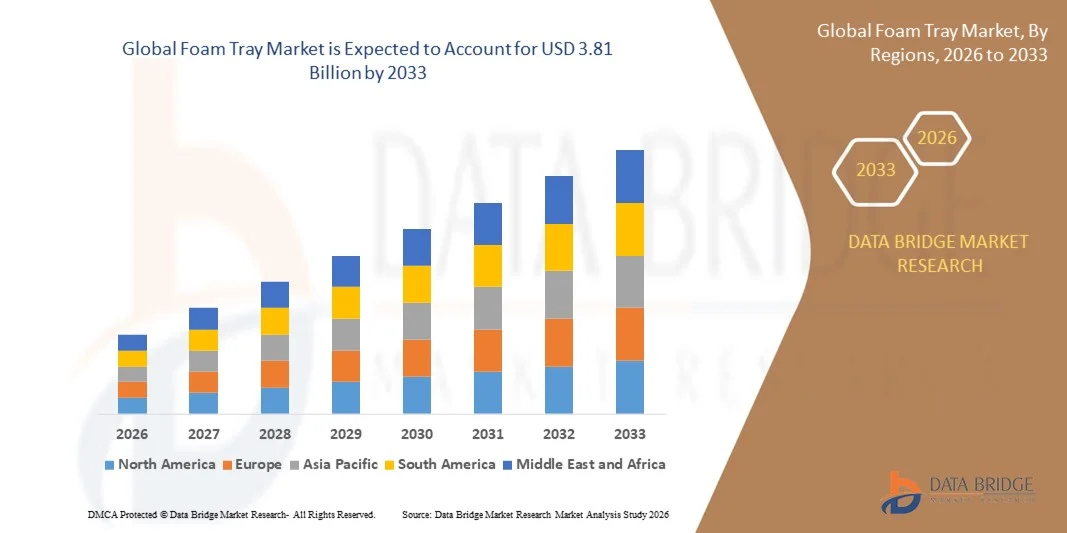
"Foam Tray Market Summary: According to the latest report published by Data Bridge Market Research, the Foam Tray Market The global Foam Tray Market size was valued at USD 2.72 billion in 2025 and is expected to reach USD 3.81 billion by 2033, at a CAGR of 4.30% during the forecast period. Foam Tray Market report offers a thorough overview of product...
" According to the latest report published by Data Bridge Market Research, the Tankless Water Heater Market The global tankless water heater market size was valued at USD 4.52 billion in 2024 and is expected to reach USD 7.00 billion by 2032, at a CAGR of 5.62% during the forecast period Global market research analysis report gives out a lot for the...
