The Smart Borrower’s Guide to Using a Reverse Mortgage Calculator for Financial Planning

As we navigate the middle of 2026, Canadian retirees face a financial landscape defined by a widening "retirement gap." With the median after-tax income for individual seniors hovering around $31,400 per year, many homeowners find that government benefits like CPP and OAS simply cannot cover the rising costs of healthcare and aging in place. This has led to a surge in interest for equity release products, making the reverse mortgage calculator an essential instrument for modern retirement strategy.
A reverse mortgage calculator is more than just a tool to see "how much cash I can get." When used correctly, it functions as a forecasting engine that helps you visualize the next twenty years of your financial life. By inputting current data, such as your home’s 2026 appraised value and your current age, you can determine how to supplement your monthly cash flow without triggering the tax liabilities or OAS clawbacks associated with traditional income sources.
For the smart borrower, the goal is not just to access funds, but to do so with precision. Understanding how variables like interest rates and property appreciation interact within a calculator allows you to maintain control over your estate’s future. This guide explores how to leverage these digital tools to build a resilient financial plan that prioritizes both your current lifestyle and your long-term legacy.
Decoding the Inputs: Why Accuracy Matters in Your Estimate
The output of any reverse mortgage calculator is only as reliable as the data you provide. In 2026, lenders like HomeEquity Bank and Equitable Bank have refined their lending criteria, often allowing borrowers to access up to 55% or 59% of their home’s value. However, the exact percentage you qualify for is heavily weighted by the age of the youngest borrower on the title.
When you use a calculator, you must account for the current state of the Canadian real estate market. While national home prices have shown signs of stabilization in the second quarter of 2026, regional variances are significant; for instance, Ontario has seen modest price corrections while the Prairies remain robust. Entering an unrealistic home value can lead to a "funding shock" later when the official appraisal is conducted, so using a conservative estimate based on recent comparable sales in your neighborhood is a best practice.
| Variable | How It Affects Your Estimate | 2026 Planning Tip |
| :--- | :--- | :--- |
| Age of Borrowers | Older borrowers qualify for higher loan-to-value (LTV) percentages. | If a spouse is significantly younger, the calculation must be based on their age. |
| Property Type | Detached homes usually command the highest LTV compared to condos. | Check if your condo corporation has specific restrictions on reverse mortgages. |
| Location | Urban centers with high liquidity often receive more favorable terms. | Be conservative with valuations in regions experiencing price cooling. |
| Existing Debt | Any current mortgage or HELOC must be paid off by the reverse mortgage proceeds. | Use the calculator to see if the "net" cash after paying off debt is sufficient. |
Strategic Cash Flow Planning: Lump Sum vs. Scheduled Advances
Once you determine your maximum limit using a reverse mortgage calculator, the next step is deciding how to receive the funds. Many borrowers instinctively look at the largest possible lump sum, but in the 2026 economic environment, a "staged approach" is often more tax-efficient. A calculator helps you model how much of your equity you should leave "on the shelf" for future needs, such as healthcare emergencies or home modifications.
Scheduled advances—receiving a set amount every month or quarter—can act as a "synthetic pension." Because these funds are technically loan proceeds, they are not considered taxable income by the Canada Revenue Agency. This is a critical distinction for seniors who are close to the OAS recovery tax threshold (the "clawback" zone), which for the July 2026 to June 2027 period begins at a net world income of approximately $93,454.
Using a calculator to plan these advances ensures you don't over-borrow. By only taking what you need for your 2026 budget, you reduce the amount of interest that accrues over time. This "just-in-time" borrowing strategy allows you to maintain a higher level of equity in your home for a longer period, providing a safety net for your later years.
Managing the "Interest Creep": Protecting Your Estate’s Future Value
The most common concern for reverse mortgage borrowers is the "interest creep"—the way interest compounds on the loan balance over time since no monthly payments are made. In 2026, with fixed rates for reverse mortgages ranging between 6.44% and 8.65% depending on the lender and term, understanding the math of compounding is vital. A high-quality calculator will show you not just your starting balance, but an estimate of what you will owe in 10, 15, or 20 years.
It is important to remember that all reputable Canadian reverse mortgages come with a "No Negative Equity Guarantee." This means that as long as you fulfill your obligations—such as paying property taxes and insurance—you will never owe more than the fair market value of the home at the time of sale. Even if interest rates rise or home prices dip, your other estate assets are protected from the mortgage debt.
-
Review Interest Tiers: Compare the 5-year fixed rate against variable options in the calculator to see the long-term impact on your equity.
-
Voluntary Payments: Some 2026 products allow you to pay back up to 10% of the principal annually without penalty, which can be modeled to see how it slows debt growth.
-
Term Selection: Use the calculator to compare a 1-year "reset" rate versus a 5-year "closed" rate to determine your tolerance for rate volatility.
-
Estate Projection: Run a "worst-case" scenario with 0% property growth to see what the minimum remaining equity might look like for your heirs.
Bridging the Retirement Income Gap: A 2026 Perspective
The "retirement gap" in 2026 is driven by persistent inflation in essential categories like groceries and private healthcare. Statistics show that the average senior family now requires roughly $6,183 per month to maintain a comfortable standard of living, yet the median senior family only brings in about $5,358 (after-tax). This monthly deficit of over $800 can quickly deplete traditional savings accounts or RRIFs.
A reverse mortgage calculator allows you to see how a small, strategic withdrawal can bridge this gap indefinitely. Instead of selling off investments during a market downturn, you can use the calculator to determine how much equity is needed to provide that extra $800 to $1,000 per month. This protects your portfolio's "sequence of returns" and ensures you don't outlive your liquid assets.
Furthermore, for those planning to "age in place," the costs are rising. Home elevators, walk-in showers, and professional in-home care are becoming standard requirements for many 2026 retirees. Using the calculator to earmark specific funds for these future renovations allows you to stay in your home longer, which is the expressed goal of 96% of Canadian seniors according to recent medical association data.
Comparing Alternatives: Why the Calculator Outperforms a HELOC
Many homeowners consider a Home Equity Line of Credit (HELOC) as an alternative to a reverse mortgage. In 2026, HELOC rates are generally lower, hovering around 5.95% to 6.45%. However, the reverse mortgage calculator reveals the hidden risk of a HELOC for those on a fixed income: the mandatory monthly interest payment. If your cash flow is already tight, adding a monthly debt obligation can be counterproductive.
A HELOC is also a callable loan. In a volatile 2026 real estate market, banks have the right to reduce your credit limit or demand full repayment if your property value drops significantly. In contrast, the calculator for a reverse mortgage provides a "guaranteed" amount that cannot be reduced once the loan is funded, provided you remain in the home and keep up with basic maintenance and taxes.
| Feature | Reverse Mortgage (2026) | HELOC (2026) |
| :--- | :--- | :--- |
| Monthly Payments | $0 (Principal and interest deferred) | Mandatory interest payments required |
| Income Qualification | No income or credit score requirements | Strict income and credit verification |
| Loan Terms | Cannot be cancelled as long as you live in the home | Callable by the bank at any time |
| Tax Impact | Tax-free proceeds; no impact on OAS/GIS | Tax-free proceeds; no impact on OAS/GIS |
| Max Loan Amount | Typically up to 55% of home value | Up to 65-80% (but requires high income) |
The Role of Property Appreciation in Long-Term Equity Retention
One of the most misunderstood parts of using a reverse mortgage calculator is how it interacts with property appreciation. Many borrowers fear that the interest will "eat the whole house." However, historically and in 2026 forecasts, Canadian real estate has shown a tendency to appreciate over long periods. Even a modest 3% annual appreciation can often offset a significant portion of the interest accruing on the loan.
When using a calculator, you should run scenarios with different appreciation rates. If your home is worth $1,000,000 in 2026 and appreciates at 3% annually, it will be worth approximately $1,343,916 in ten years. If you borrowed $250,000, even if the balance grows to $450,000 through compounding interest, the "equity gap"—the amount left over for you or your heirs—remains substantial ($893,916).
This perspective changes the reverse mortgage from a "loan of last resort" to a strategic "equity management" tool. By visualizing these numbers, you can feel more confident about using your home’s value to fund your current lifestyle while still leaving a meaningful inheritance. The smart borrower uses the calculator to find the "sweet spot" where they can enjoy their retirement years without compromising their long-term financial legacy.
Catégories
Lire la suite
In today’s publishing landscape, authors are not just looking for a service, they are looking for a partner they can trust. Writing a book takes time, effort, and creativity, and choosing the right publishing company is an important step in that journey. At EU Publishing House, we are committed to providing professional support and delivering quality results, and platforms like Reviews.io...

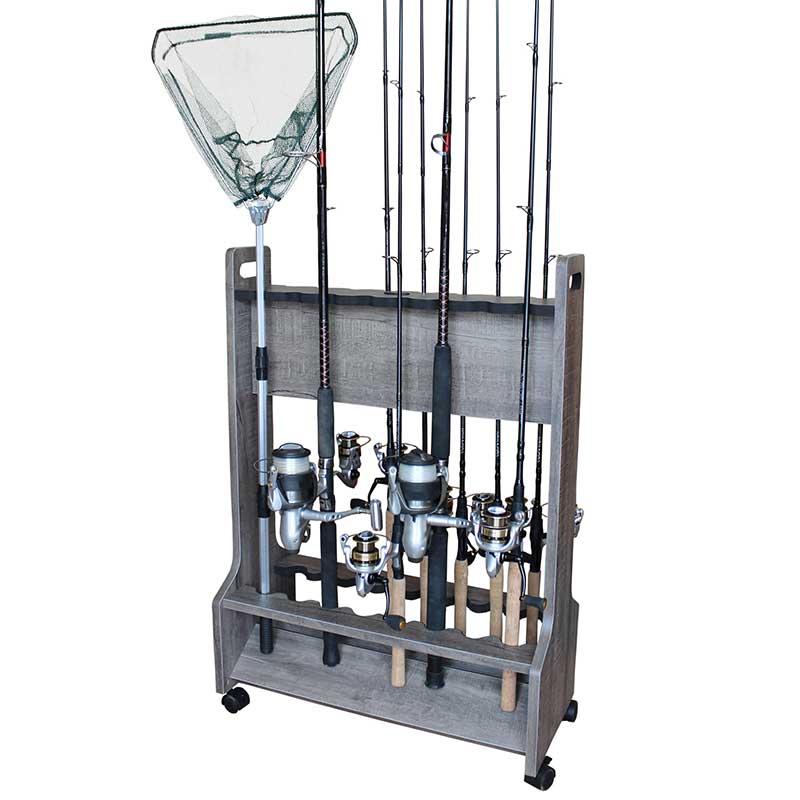
For active anglers and professional guides, managing an extensive collection of specialized fishing rods requires a storage layout that balances structural safety with swift mobility. Premium graphite, carbon fiber, and fiberglass composite blanks represent a significant financial investment, requiring specific vertical alignment to maintain their structural integrity. However, as an arsenal...
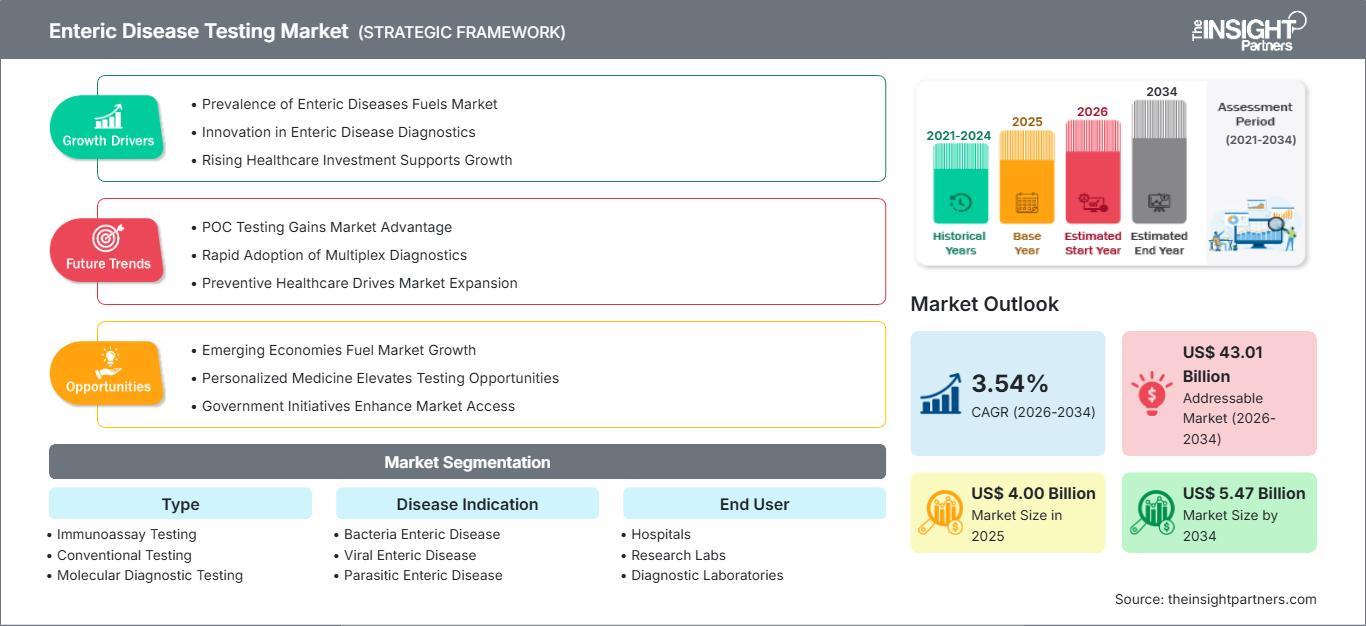
The Enteric Disease Testing Market is witnessing steady expansion due to the increasing burden of gastrointestinal infections, rising awareness about food safety, and growing adoption of advanced diagnostic technologies. According to industry analysis, Enteric Disease Testing Market is projected to grow from US$ 4.00 billion in 2025 to US$ 5.47 billion by 2034, registering a CAGR of 3.54%...
Chrome Hearts: Bold Luxury in Rings and Glasses Chrome Hearts is one of the most distinctive names in modern luxury fashion. Founded in 1988 by Richard Stark in Los Angeles, the brand began as a small company producing custom leather motorcycle gear. Over time, it evolved into a globally recognized label known for high-end jewelry, eyewear, clothing, and accessories. What makes Chrome...

"In-Depth Study on Executive Summary Europe Architectural Coatings Market Size and Share The Europe architectural coatings market size was valued at USD 17.85 Billion in 2024 and is expected to reach USD 26.37 Billion by 2032, at a CAGR of 5.00% during the forecast period Europe Architectural Coatings Market research report acts as a very significant...