How Rudraksha Beads Are Sourced from Himalayan Regions
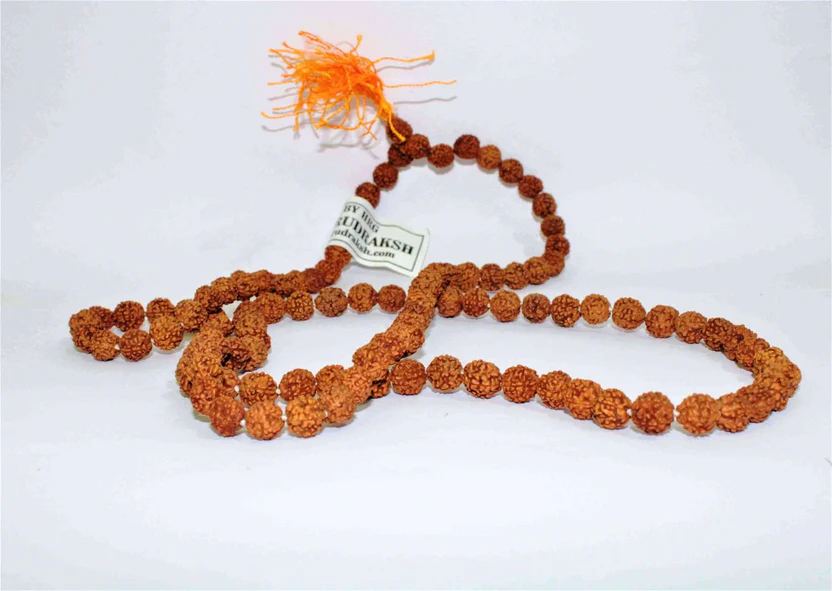
Rudraksha beads have been revered for centuries in Hindu spirituality, meditation, and yogic traditions. Known as the sacred beads of Lord Shiva, Rudraksha is widely used for mantra chanting, meditation, and spiritual growth. Among the various sources of Rudraksha, beads originating from the Himalayan regions—especially Nepal—are considered highly valuable due to their natural formation, larger size, and distinct mukhi lines.
Many spiritual seekers who buy 5 Mukhi Rudraksha Mala prefer Himalayan-origin beads because of their authenticity and traditional significance. But have you ever wondered how these sacred beads are sourced from the Himalayan regions? Let's explore the journey of Rudraksha from tree to mala.
What Is Rudraksha?
Rudraksha is the seed of the Elaeocarpus ganitrus tree, which grows naturally in specific climatic conditions. These trees are commonly found in:
-
Nepal
-
Himalayan foothills
-
Parts of India
-
Indonesia
Among these regions, Nepal-origin Rudraksha is particularly sought after because of its well-defined mukhis and premium quality.
Why Himalayan Rudraksha Is Special
The Himalayan climate provides ideal conditions for Rudraksha trees to flourish. The combination of altitude, rainfall, fertile soil, and natural environment contributes to the development of high-quality Rudraksha beads.
Nepali Rudraksha beads are known for:
-
Larger bead size
-
Deep and clear mukhi lines
-
Natural texture
-
Strong durability
-
Traditional spiritual value
These qualities make Himalayan Rudraksha a preferred choice among devotees and collectors worldwide.
The Cultivation of Rudraksha Trees
Rudraksha trees typically take several years to mature and produce fruit. Farmers and local communities in Himalayan regions carefully nurture these trees to ensure healthy growth.
The trees naturally produce blue-colored fruits, often called "blue berries" because of their appearance. Inside each fruit lies the sacred Rudraksha seed.
Unlike many commercial crops, Rudraksha cultivation often follows traditional methods that respect the natural growth cycle of the tree.
Harvesting Rudraksha Fruits
The harvesting process begins when the fruits fully ripen and naturally fall from the tree or are carefully collected by local farmers.
Harvesting generally involves:
-
Collecting mature fruits
-
Sorting healthy fruits
-
Removing damaged or immature fruits
-
Preparing seeds for cleaning
Careful harvesting helps preserve the natural quality of the Rudraksha beads.
Cleaning and Processing the Beads
Once harvested, the fruits undergo a cleaning process to remove the outer pulp.
The process includes:
-
Soaking the fruits in water
-
Removing the outer flesh
-
Washing the seeds thoroughly
-
Drying them naturally
After cleaning, the Rudraksha beads reveal their natural mukhis (faces), which determine their classification.
Sorting Based on Mukhis
One of the most important steps in sourcing Rudraksha is identifying the number of mukhis on each bead.
Common varieties include:
-
1 Mukhi Rudraksha
-
2 Mukhi Rudraksha
-
3 Mukhi Rudraksha
-
5 Mukhi Rudraksha
-
10 Mukhi Rudraksha
-
Up to 21 Mukhi and rare varieties
The 5 Mukhi Rudraksha is the most widely available and commonly used bead for meditation and daily wear.
This is why many spiritual seekers choose to buy 5 Mukhi Rudraksha Mala for their spiritual practices.
Quality Inspection and Authentication
Before Rudraksha beads are crafted into malas, they are carefully inspected for:
-
Natural mukhi formation
-
Surface quality
-
Shape and size
-
Authenticity
Reputable suppliers often perform additional verification to ensure the beads are genuine and naturally formed.
Authenticity is especially important because the market contains imitation and artificially altered beads.
Crafting Rudraksha Malas
After sorting and inspection, the Rudraksha beads are handcrafted into malas.
The process involves:
-
Matching bead sizes
-
Arranging beads uniformly
-
Stringing 108 beads plus a guru bead
-
Creating durable and comfortable designs
These malas are then prepared for meditation, mantra chanting, and daily wear.
Why People Prefer Himalayan Rudraksha
Many devotees prefer Himalayan Rudraksha because of its reputation for quality and authenticity.
Benefits often associated with Himalayan-origin Rudraksha include:
-
Traditional spiritual significance
-
Premium craftsmanship
-
Distinct natural appearance
-
Suitability for meditation
-
Long-lasting durability
For this reason, Himalayan Rudraksha continues to be highly valued worldwide.
Choosing Authentic Rudraksha
When purchasing Rudraksha, buyers should always prioritize authenticity over price.
Look for:
-
Natural mukhi lines
-
Genuine bead texture
-
Trusted seller reputation
-
Authenticity assurance
-
Proper sourcing information
Choosing authentic Rudraksha ensures a more meaningful spiritual experience.
Trusted Source for Himalayan Rudraksha
Many devotees trust Himalaya Rudraksha Anusandhan Kendra for authentic Himalayan and Nepal-origin Rudraksha products. The brand is known for offering genuine Rudraksha malas suitable for meditation, mantra chanting, and spiritual practices.
Whether you are looking to buy 5 Mukhi Rudraksha Mala or explore other Rudraksha varieties, selecting a trusted source helps ensure quality and authenticity.
Final Thoughts
The journey of Rudraksha beads from the Himalayan regions to a finished mala is a fascinating blend of nature, tradition, and spirituality. From carefully cultivated trees and harvested fruits to handcrafted malas, each bead carries a story rooted in centuries of spiritual heritage.
Understanding how Rudraksha is sourced not only helps buyers appreciate its value but also highlights the importance of choosing authentic Himalayan Rudraksha for meditation, mindfulness, and spiritual growth.
Categorias
Leia Mais
According to the latest report published by Data Bridge Market Research, the Europe Medical Waste Management Market CAGR Value The Europe Medical Waste Management Market size was valued at USD 6.34 billion in 2025 and is expected to reach USD 9.89 billion by 2033, at a CAGR of 5.72% during the forecast period All the data and information included in the global Europe Medical Waste...

Togel Resmi refers to officially recognized lottery systems that operate under clear rules, structured procedures, and regulatory oversight. In many regions across Asia, particularly in Indonesia, the term is used to distinguish legitimate lottery platforms from informal or unauthorized operators. Togel Resmi emphasizes transparency, fairness, and reliability, providing players with confidence...

Choosing curtains Sydney is an important step in creating a comfortable and stylish home. Since Sydney homes often receive strong sunlight, curtains help manage light and indoor heat. For instance, heavier curtains can block out sunlight, while lighter fabrics allow a soft glow into the room. In addition, curtains improve privacy, especially in busy urban areas. Therefore, selecting the right...
Hello Gentlemen! I am Renista, 22 years old.I am independent, UPSCALE service provider providing YOU an UNFORGETTABLE, extraordinary experience in erotica 🍌🍌🍌You will find me warm, open, sophisticated, adventurous, active and elegant at the same time remaining natural, easy-going and very funny 💋💋💋Being with me that you will enjoy with my services: when we meet, you will be welcomed by a nice...

For generations, engagement rings have followed a familiar path classic designs, traditional sourcing, and long-standing expectations. While these elements still hold sentimental value, today’s couples are beginning to question whether tradition alone defines what truly matters. More than ever, people are seeking rings that reflect their personal values, lifestyle, and unique love story....