


ISO 27001 Certification: Strengthening Information Security Management Systems
ISO 27001 Certification is an internationally recognized standard for Information Security Management Systems (ISMS), developed by the International Organization for Standardization (ISO). It provides a systematic framework for managing sensitive company information, ensuring confidentiality, integrity, and availability of data. In today’s digital world, where cyber threats are increasing rapidly, ISO 27001 plays a vital role in protecting organizational information assets.
The primary objective of ISO 27001 is to help organizations identify potential security risks and implement effective controls to reduce them. It applies to businesses of all sizes and industries, including IT companies, financial institutions, healthcare providers, government organizations, and service-based industries. By implementing ISO 27001, organizations can safeguard customer data, intellectual property, and internal business information.
A key feature of ISO 27001 is its risk-based approach. Organizations are required to conduct a thorough risk assessment to identify threats such as data breaches, cyberattacks, unauthorized access, and system failures. Based on this assessment, they implement appropriate security controls to minimize risks and protect information assets. This proactive approach ensures continuous improvement in security practices.
ISO 27001 also emphasizes the importance of policies, procedures, and employee awareness. Organizations must develop clear information security policies and ensure that employees are trained to follow them. Human error is one of the leading causes of security breaches, so awareness and training programs are essential components of the standard.
Another major benefit of ISO 27001 Certification is improved customer trust. Clients and stakeholders feel more confident working with organizations that follow internationally accepted security standards. Certification also enhances business reputation and provides a competitive advantage in global markets, especially when dealing with sensitive data or international clients.
The certification process involves several steps, including gap analysis, risk assessment, implementation of security controls, internal audits, and an external certification audit. Once the organization meets all requirements, the certification body issues the ISO 27001 certificate.
ISO 27001 also helps organizations comply with legal and regulatory requirements related to data protection, such as GDPR and other privacy laws. This reduces the risk of penalties and legal issues while ensuring better governance of information systems.
In conclusion, ISO 27001 Certification is essential for organizations aiming to protect their information assets and strengthen cybersecurity practices. It enhances risk management, builds customer trust, ensures regulatory compliance, and supports long-term business sustainability in a highly digital and connected world.
Categorias
Leia Mais
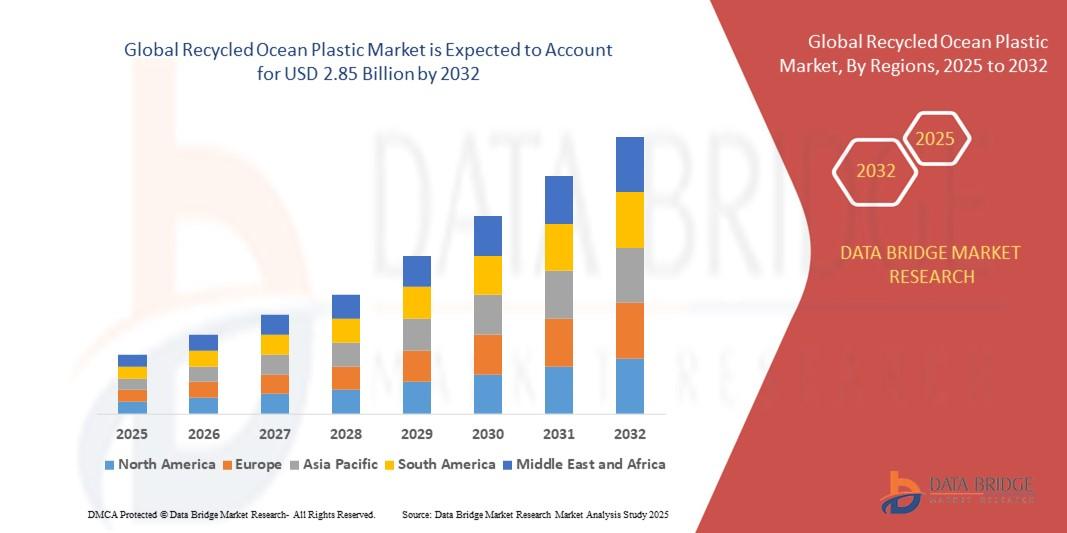
"Executive Summary Recycled Ocean Plastic Market Size and Share Analysis Report The global recycled ocean plastic market size was valued at USD 1.90 billion in 2024 and is expected to reach USD 2.85 billion by 2032, at a CAGR of 5.2% during the forecast period The global Recycled Ocean Plastic Market research report has incorporated the analysis of...
Las mamparas de baño en Terrassa e Ibiza se han convertido en un elemento imprescindible en los hogares modernos gracias a su combinación de diseño, practicidad y elegancia. Tanto en una ciudad como Terrassa, con un estilo urbano y funcional, como en Ibiza, conocida por su estética sofisticada y relajada, las mamparas de baño aportan soluciones adaptadas...

DTC genetic testing is widely used for ancestry tracing, health risk assessment, lifestyle planning, and family history research. These tests empower individuals to make informed decisions regarding nutrition, fitness, disease prevention, and medical consultations. However, healthcare professionals may recommend confirmatory clinical testing for certain medical findings. The Global DTC Genetic...

A visa blood test is one of the most important components of the immigration medical examination required for work visas, study permits, permanent residency applications, and long-term travel approvals. While the procedure itself is quick and straightforward, proper preparation determines whether the process is smooth, accurate, and free from delays. Immigration medical screening is designed to...

As online betting continues to grow in 2026, finding a safe and trusted Toto site has become more important than ever. With so many platforms available, players need to choose carefully to ensure their money, personal information, and gaming experience remain secure. The best Toto sites today combine strong security, fast payments, user-friendly design, and fair situs toto betting...