Safe Patient Transfer at Home: What Caregivers Need to Know Before Choosing Mobility Equipment
Caring for a loved one at home often comes with challenges that many families never expect. As mobility becomes limited due to age, injury, surgery, or a medical condition, everyday tasks such as moving from a bed to a wheelchair can become physically demanding and potentially unsafe. For this reason, many caregivers look for practical solutions that reduce strain while improving comfort and dignity for the person receiving care.
One of the most important decisions involves selecting the right transfer equipment. Understanding the available options and learning how to use them correctly can make daily care safer, easier, and more efficient for everyone involved.
Why Safe Patient Transfers Matter
Patient transfers are among the most physically demanding caregiving tasks. Lifting or repositioning someone without proper equipment can increase the risk of falls, back injuries, muscle strain, and discomfort.
When transfers are performed safely, both the caregiver and the patient benefit. Proper support helps maintain confidence, reduces stress, and creates a more positive caregiving environment. It also encourages greater independence for individuals who still have some mobility but need assistance during specific movements.
For families providing care at home, investing in the right mobility equipment can significantly improve daily routines.
Understanding Patient Lift Systems
Patient lifts are mechanical devices designed to help move individuals who have difficulty standing, walking, or transferring independently. These systems use a supportive sling and lifting mechanism to reduce the physical effort required from caregivers.
Many families choose a hoyer lift because it offers a practical solution for transferring patients between beds, wheelchairs, recliners, and other locations. These devices are commonly used in hospitals, rehabilitation centers, assisted living facilities, and private homes.
The primary goal of any lift system is to create a safer transfer process while minimizing the risk of injury.
Key Benefits for Home Caregivers
Reduced Physical Strain
Repeated lifting can place tremendous stress on the back, shoulders, and knees. A lift system handles most of the physical workload, allowing caregivers to focus on guiding and supporting the patient rather than carrying their full body weight.
Improved Safety
Falls are one of the most common concerns in home care. Lift systems help stabilize patients during transfers, reducing sudden movements that may lead to accidents.
Greater Comfort
Modern patient lifts are designed with comfort in mind. Properly fitted slings support the body evenly, helping reduce pressure points and discomfort during transfers.
Increased Confidence
Both caregivers and patients often feel more secure when using reliable transfer equipment. This confidence can improve daily interactions and reduce anxiety surrounding mobility challenges.
Different Types of Patient Lifts
Understanding the various lift options can help families choose equipment that matches their needs.
Manual Hydraulic Lifts
These lifts use a hydraulic pump operated by hand. They are generally more affordable and do not require batteries or electrical charging.
Manual lifts can be an excellent choice for occasional use or households with budget considerations.
Electric Patient Lifts
Electric models use powered lifting mechanisms controlled by buttons or handheld remotes. They require less physical effort and are often preferred for frequent daily transfers.
Many caregivers appreciate the convenience and smoother lifting experience provided by electric systems.
Sit-to-Stand Lifts
These devices are designed for individuals who can bear some weight but need assistance standing up. Sit-to-stand lifts encourage participation in the transfer process while providing additional support.
Portable and Foldable Models
For homes with limited space, compact designs offer easier storage and transportation. Portable lifts are especially useful for families who travel or need equipment that can move between rooms.
Important Features to Consider
Choosing a patient lift involves more than simply selecting a model. Several factors should be evaluated to ensure the equipment meets specific caregiving needs.
Weight Capacity
Always verify that the lift can safely accommodate the user's weight. Manufacturers provide clear capacity guidelines that should never be exceeded.
Sling Compatibility
The sling plays a critical role in patient comfort and safety. Different sling styles support various transfer situations, including full-body lifts, toileting assistance, and seated transfers.
Home Layout
Consider doorway widths, floor surfaces, room sizes, and furniture placement. The lift should move comfortably throughout the home without creating obstacles.
Ease of Operation
Caregivers should look for controls that are simple to understand and operate. Easy-to-use equipment helps reduce mistakes and improves overall confidence.
Storage Requirements
Some lifts fold for convenient storage when not in use. This feature can be valuable in smaller homes or apartments.
Training Is Essential
Even the best equipment requires proper training. Before using a lift independently, caregivers should learn correct operating procedures and safety practices.
Many manufacturers provide instructional materials, while healthcare professionals often offer guidance tailored to individual needs. Taking the time to understand sling placement, positioning techniques, and emergency procedures can prevent accidents and improve outcomes.
Regular equipment inspections are equally important. Checking wheels, straps, slings, and lifting mechanisms helps ensure safe operation over time.
Supporting Long-Term Independence
Mobility challenges can affect emotional well-being as much as physical health. Individuals who require assistance often worry about losing independence or becoming a burden to family members.
Reliable transfer equipment helps preserve dignity by allowing movements to occur more comfortably and safely. Patients can participate in daily routines with less fear and greater confidence.
Many caregivers discover that proper mobility support improves quality of life for everyone in the household. Routine activities become more manageable, reducing frustration and creating opportunities for meaningful interactions beyond caregiving tasks.
Choosing a Trusted Brand
Quality and reliability should always be priorities when purchasing mobility equipment. Established manufacturers typically invest in safety testing, product development, and customer support to ensure long-term satisfaction.
Brands such as VOCIC have gained attention among caregivers for offering mobility and home care solutions designed to support comfort, convenience, and safety. Exploring reputable providers can help families find equipment that matches their specific caregiving requirements while maintaining high standards of quality.
Making Home Care Safer and More Comfortable
Providing care at home requires patience, planning, and the right tools. Safe transfer equipment can dramatically reduce physical strain, improve patient comfort, and create a more secure environment for daily activities.
By carefully evaluating mobility needs, understanding available lift options, and selecting dependable equipment, caregivers can make everyday transfers smoother and safer. The right solution supports both the caregiver's well-being and the patient's dignity, helping families navigate home care with greater confidence and peace of mind.
Κατηγορίες
Διαβάζω περισσότερα
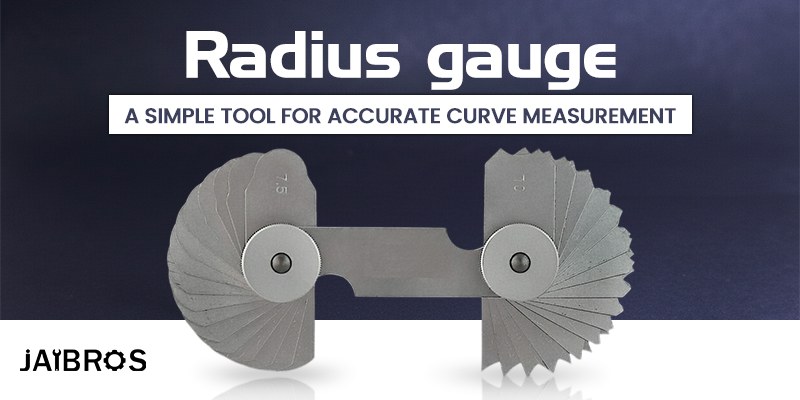
A simple guide explaining radius gauge, its working, least count, size range, and role in accurate workshop measurement. What Is a Radius Gauge? A radius gauge is a precision measuring tool used to check the radius of curved surfaces. It helps identify whether a curve is concave or convex and measures its exact size. This tool does not give digital readings but works by matching the curve of...
The success of any online gaming platform depends on the quality of its games and user experience. Professional Casino Game Developers understand the importance of creating games that are visually appealing, technically strong, and enjoyable for players. They use their creativity and development skills to build solutions that provide smooth gameplay and long-lasting engagement. The online...

Executive Summary Feed Protein Market Trends: Share, Size, and Future Forecast Data Bridge Market Research analyses that the feed protein market was growing at a value of USD 280 million in 2021 and is expected to reach the value of USD 463.40 million by 2029, at a CAGR of 6.50% during the forecast period. Being an excellent market research report, Feed Protein Market...
Bankruptcy practice is a volume business built on precision paperwork. A Chapter 7 or Chapter 13 filing requires gathering exhaustive financial disclosures, calculating means test eligibility, listing every creditor accurately, and filing within a court's strict procedural framework — and a busy consumer bankruptcy firm might be doing this dozens of times a month. A single error in a...

In today’s relentless, fast-moving world, waiting is no longer an option—it’s a liability. Deadlines don’t bend, opportunities don’t pause, and your business can’t afford delays. That’s exactly where fast print services step in as a game-changing solution. Imagine having your marketing materials, business essentials, and promotional assets ready in...