


What Training Do I Need to Operate a BMS Control Panel?
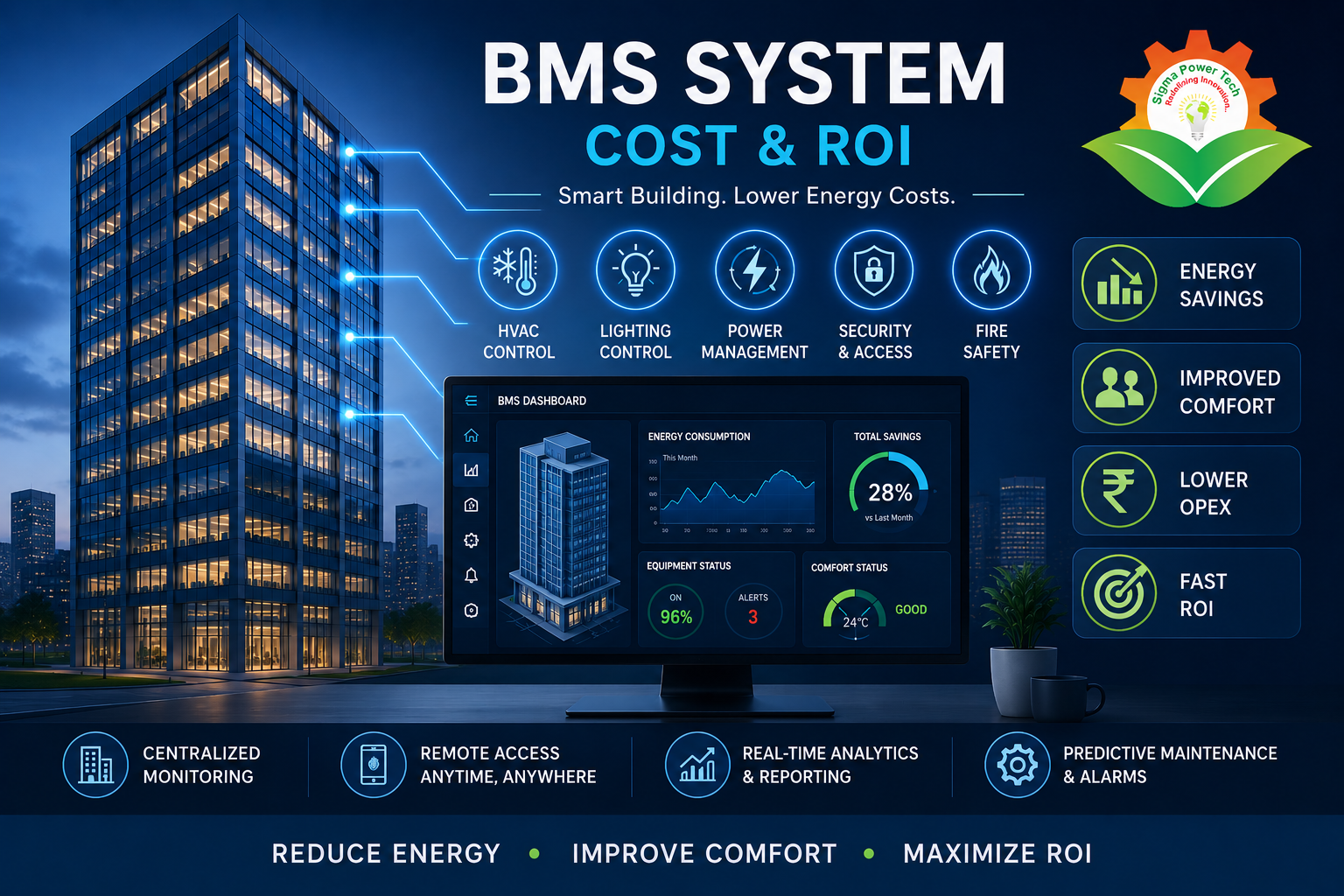
On a busy hospital night shift, a junior engineer is handed the BMS control panel to stabilise isolation room pressures after a sudden AHU trip. The engineer knows basic HVAC but hasn’t used the site’s supervisory HMI. Without clear training, simple tasks—acknowledging alarms, switching an AHU to manual, or restoring a schedule—can lead to prolonged downtime, comfort complaints, or safety risks. Structured training for Building Management System panel operation is therefore indispensable for reliable facility management.
A Building Management System is the supervisory backbone that unifies HVAC, lighting, power, fire and access control across buildings and campuses. Proper training ensures operators can use the BMS control panel safely to maintain occupant comfort, enforce energy strategies, and respond to incidents. This article outlines the skills, training pathways, and operational practices required to competently operate a BMS control panel in hospitals, data centres, commercial towers and other critical facilities.
Core knowledge every operator must have
- System fundamentals: Understand what is a BMS system, its control hierarchy (field controllers vs supervisory layer), and the role of the BMS control panel.
- Building systems basics: Practical familiarity with HVAC plant (AHUs, chillers, pumps, VFDs), primary/secondary piping, lighting circuits, and power distribution.
- Alarm management: Prioritisation, acknowledgement, escalation workflows, and creating actionable work orders.
- Navigation and HMI use: Reading dashboards, trend charts, alarm logs, and executing safe overrides or manual actions with clear reversion policies.
- Safety and failure modes: Knowledge of life-safety interlocks, fire panel behaviours, and actions to take if supervisory functions fail.
Technical and procedural skills to teach
- Hands-on HMI practice: Use simulated scenarios to practice acknowledging alarms, changing setpoints, and performing controlled overrides.
- Local vs supervisory control: Training on when to use the BMS control panel versus local PLC/RTU interfaces to avoid interfering with deterministic controls.
- Stepwise procedures: Standard operating procedures (SOPs) for common tasks — pump restarts, AHU mode changes, schedule adjustments — including required checks and documentation.
- Trend analysis basics: Interpreting temperature, humidity, and energy trends to identify faults such as valve hunting or chiller short-cycling.
- Incident response drills: Coordinated exercises involving engineering, security, and vendor contact points for events like chiller trips or power loss.
Advanced competencies for engineers and supervisors
- Commissioning and tuning: Understanding commissioning reports, loop tuning basics, and verifying control logic from FAT/SAT documentation.
- System configuration: Limited, controlled training on alarm thresholds, schedule programming, and creating dashboard views—typically for senior technicians under change control.
- Cybersecurity awareness: Recognising suspicious behaviour, enforcing least-privilege accounts, and following change control for software updates.
- Data analysis and optimisation: Using historian data to drive energy efficiency and predictive maintenance—skills valuable for energy managers and MEP consultants.
Training formats and duration
- Classroom fundamentals: 1–2 days covering system theory, safety, and SOPs.
- Hands-on workshops: 2–3 days on the site HMI, fault simulation and recovery procedures.
- Vendor-led modules: Product-specific training from the BMS company on dashboards, alarm handling and panel configuration.
- Ongoing refreshers: Quarterly short sessions and annual competency assessments.
- On-the-job mentoring: Pair junior operators with experienced engineers for at least the first 3–6 months.
Certification and competency verification
- Practical tests: Simulated fault resolution and documented SOP adherence.
- Written assessments: Covering system architecture, life-safety interactions and escalation protocols.
- Logbook and supervised hours: Record of supervised operations and incidents handled.
- Refresher requirements: Recertification after major software updates, system expansions, or following incidents.
Operational governance and best practices
- Role-based access: Enforce granular permissions on the BMS control panel to separate viewers, operators, and engineers.
- Change control: Formal approval for setpoint or alarm threshold changes; maintain an audit trail.
- SOP library: Keep up-to-date procedures for routine and emergency actions accessible from the HMI.
- Simulation and FAT/SAT participation: Include operators in commissioning to familiarise them with sequences and alarm behaviour.
- Vendor support: Ensure clear handover after BMS system installation and include BMS maintenance services and training in AMC contracts.
Common mistakes and how training prevents them
- Overreliance on overrides: Operators using prolonged manual overrides instead of fixing root causes—training emphasises time-limited overrides with reversion timers.
- Poor alarm triage: Treating every alarm as equal; training instils alarm prioritisation and suppression rules.
- Unauthorized configuration changes: Training plus role separation avoids accidental logic changes.
- Neglecting documentation: Well-trained teams document interventions, enabling post-event reviews and continuous improvement.
Practical next steps for organisations
- Conduct a training needs assessment tied to building criticality (data centres and hospitals demand higher competency).
- Build a training roadmap: fundamentals, hands-on HMI, vendor modules, and annual refreshers.
- Include operators in BMS system installation oversight to ensure knowledge transfer.
- Contract BMS maintenance services that include scheduled training and updates.
Conclusion
Operating a Building Management System control panel requires layered knowledge: system fundamentals, practical HVAC and power understanding, HMI proficiency, and disciplined operational procedures. Structured training reduces downtime, prevents unsafe interventions, and ensures energy strategies and life-safety functions are maintained. Invest in vendor-backed training, repeatable SOPs, and ongoing competency assessments to protect occupants, optimise energy use, and extend the life of your BMS infrastructure.
Nach Verein filtern
Read More
MLB The Show 26 offers plenty of ways to earn Stubs, the game's premium currency, but many players wonder if it's possible to build up a good stash without ever playing online. The answer is yes, but there are limitations and some clear methods that work better than others. This article is designed to explain how you can earn Stubs without diving into the online modes, whether you're a solo...

When it comes to comfortable and dependable travel in and around Weybridge, finding a service that truly understands customer needs makes all the difference. At 24 Seven Weybridge Taxis, the goal is simple: deliver smooth, stress-free journeys with a strong focus on customer satisfaction. Whether you're heading to the airport, commuting locally, or planning a longer trip, this service is...
Defining the category / clearing up confusion The term film production companies in Dubai is often misused, where it could mean anything from a group making a feature film to a duo filming Instagram videos, and everything in between. When considering hiring one, it may help to have a sense of what lies behind the broad title of film production in the company. The spectrum of what these...

"Portable Patient Isolation Market Summary According to the latest report published by Data Bridge Market Research, the Portable Patient Isolation Market Data Bridge Market Research analyses that the portable patient isolation market which was USD 697.89 million in 2021, would rocket up to USD 1645.78 million by 2029, and is expected to undergo a CAGR of 11.32% during the forecast...
According to the latest report published by Data Bridge Market Research, the Anti-Money Laundering Market CAGR Value The global anti-money laundering market size was valued at USD 4.48 billion in 2024 and is projected to reach USD 13.56 billion by 2032, with a CAGR of 14.83% during the forecast period of 2025 to 2032. Anti-Money Laundering Market is the world-class...