Horizontal Lifeline Systems: Essential Fall Protection for Safe Work at Height
Working at height remains one of the most hazardous activities across construction, maintenance, industrial, and roofing environments. Falls continue to be a leading cause of workplace injuries and fatalities, making reliable fall protection systems a critical safety requirement. Among the most effective solutions available today is the horizontal lifeline system, designed to provide continuous fall protection while allowing workers to move freely across elevated work areas.
What Is a Horizontal Lifeline System?
A horizontal lifeline (HLL) system is a fall protection solution consisting of a flexible cable, wire rope, or synthetic line installed horizontally between anchorage points. Workers connect their personal fall arrest equipment, such as harnesses and lanyards, to the lifeline, enabling safe movement along the work area while remaining continuously protected.
Unlike fixed anchor points that limit mobility, horizontal lifelines offer greater flexibility and coverage, making them ideal for large workspaces where employees need to travel across rooftops, bridges, loading areas, or industrial facilities.
How Horizontal Lifelines Work
A horizontal lifeline creates a secure connection between the worker and a properly engineered anchorage system. As the worker moves along the designated path, the attached connector travels with them, maintaining uninterrupted fall protection.
If a fall occurs, the system helps absorb and distribute the forces generated during the incident, reducing the impact on both the worker and the structure. Properly designed systems include energy absorbers and engineered anchor points to ensure maximum safety and compliance.
Key Components of a Horizontal Lifeline System
Understanding the primary components of a horizontal lifeline system helps ensure proper selection and safe use.
Anchorage Points
Anchorage points provide the structural support necessary to secure the lifeline. These points must be capable of withstanding the loads generated during a fall event.
Lifeline Cable
The lifeline itself is typically made from galvanized steel cable, stainless steel cable, or specialized synthetic materials designed for durability and strength.
Energy Absorbers
Energy absorbers reduce fall arrest forces by dissipating energy during a fall, helping protect both workers and structural components.
Intermediate Supports
For longer spans, intermediate supports maintain cable alignment and reduce excessive sag while allowing workers to pass through without disconnecting.
Personal Protective Equipment (PPE)
Workers must wear approved full-body harnesses, lanyards, and connecting devices that are compatible with the horizontal lifeline system.
Benefits of Installing a Horizontal Lifeline System
Horizontal lifelines offer several advantages over traditional fall protection methods.
Enhanced Worker Mobility
One of the biggest benefits is the ability to move freely across a large work area without repeatedly disconnecting and reconnecting to anchor points. Continuous attachment significantly improves both safety and productivity.
Increased Safety Compliance
Many occupational safety regulations require adequate fall protection when working at height. Horizontal lifeline systems help employers meet these requirements while providing reliable protection.
Versatile Applications
These systems can be customized to suit various industries and work environments, making them highly adaptable for different projects and structures.
Cost-Effective Long-Term Solution
Although installation requires professional design and engineering, horizontal lifelines often reduce the need for multiple anchor points and temporary safety measures, lowering long-term costs.
Improved Efficiency
Workers can focus on their tasks without interruption, resulting in greater operational efficiency and reduced downtime.
Common Applications for Horizontal Lifeline Systems
Horizontal lifelines are widely used across multiple industries where fall hazards are present.
Commercial Roofing
Roof maintenance, inspections, and installations often require workers to move across extensive roof surfaces. Horizontal lifelines provide continuous protection throughout the work area.
Construction Sites
Construction workers frequently operate near unprotected edges and elevated platforms. Lifeline systems help maintain safety while supporting mobility.
Industrial Facilities
Manufacturing plants, warehouses, and processing facilities often contain elevated work zones where permanent fall protection systems are necessary.
Bridges and Infrastructure Projects
Maintenance crews working on bridges, transportation structures, and public infrastructure benefit from reliable fall arrest systems that accommodate movement over long distances.
Utility and Energy Sectors
Power plants, renewable energy facilities, and utility operations frequently require workers to access elevated structures where fall protection is essential.
Factors to Consider When Choosing a Horizontal Lifeline System
Selecting the right system requires careful evaluation of workplace conditions and safety requirements.
Structural Capacity
The supporting structure must be capable of handling the loads imposed by the lifeline system during normal use and potential fall events.
Number of Users
Some systems are designed for single-user applications, while others can accommodate multiple workers simultaneously.
Span Length
Longer spans may require additional supports, specialized engineering, and energy absorption components to maintain safety.
Environmental Conditions
Exposure to moisture, chemicals, salt air, or extreme temperatures may influence material selection and system design.
Regulatory Compliance
The chosen system should comply with applicable workplace safety standards and industry regulations.
Inspection and Maintenance Requirements
Regular inspection and maintenance are crucial for ensuring continued system performance and worker safety.
Routine inspections should include:
- Checking cable tension and alignment
- Examining anchor points for damage or corrosion
- Inspecting connectors and hardware
- Verifying the condition of energy absorbers
- Reviewing system documentation and certifications
Periodic inspections by qualified professionals help identify potential issues before they become safety risks.
Why Professional Installation Matters
Horizontal lifeline systems are engineered safety solutions that require proper design, installation, and testing. Professional installation ensures the system meets structural requirements, regulatory standards, and manufacturer specifications.
Improper installation can compromise system effectiveness and place workers at significant risk. Working with experienced fall protection specialists helps ensure maximum reliability and compliance.
Conclusion
Horizontal lifeline systems play a vital role in protecting workers who perform tasks at height. By providing continuous fall protection, enhanced mobility, and compliance with safety regulations, these systems help create safer and more productive workplaces. Whether used on rooftops, construction sites, industrial facilities, or infrastructure projects, a properly designed and maintained horizontal lifeline system is a valuable investment in worker safety and operational efficiency.
Nach Verein filtern
Read More
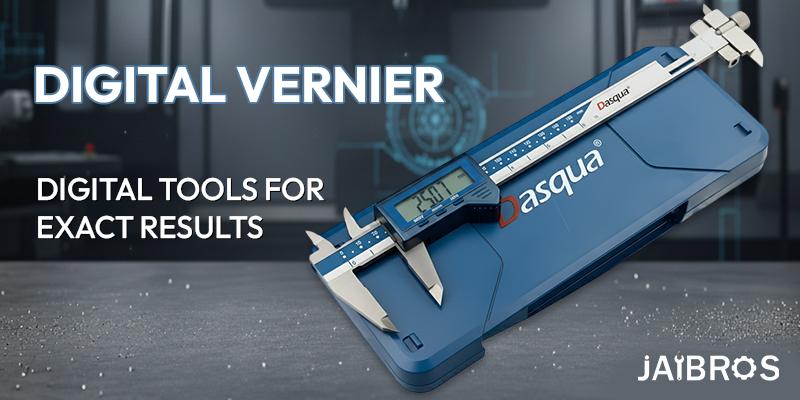
Get a top-grade Caliper Digital Vernier built for durability and precision. Easy to use, accurate readings, perfect for industrial and workshop applications Top-Grade Caliper Digital Vernier for Accurate and Hassle-Free Measurement When working in a manufacturing, engineering, or workshop environment, precision is of the utmost importance. If there is an error of 1 mm, then a...
Benefits of Using Certification Exam Preparation Material Certification exams help people grow in their careers. They help you get better jobs. They also help you earn more money. Many students want to pass the CAP exam on the first attempt. This exam is offered by ISC2. However, exam preparation can feel difficult. There are many books to read and many topics to cover. This is why using...

Rising Adoption of Digital and Mobile Payments One of the primary drivers of the real-time payments market is the rapid growth of digital and mobile payment platforms. Consumers are increasingly shifting toward cashless payment methods such as mobile wallets, contactless payments, and online banking applications. These platforms rely heavily on real-time payment infrastructure to provide...

The 5 Mukhi Rudraksha Mala is one of the most widely worn Rudraksha malas among devotees, yoga practitioners, and meditation enthusiasts. Revered in Hindu traditions and commonly associated with Lord Kalagni Rudra, a form of Lord Shiva, this mala is often chosen for daily spiritual practices. Today, many people prefer to buy 5 Mukhi Rudraksha Mala online from trusted sources to ensure they...

The Corporate Bond Market Size is experiencing steady expansion as companies increasingly rely on debt financing to support growth, investments, and operational needs. The market was valued at USD 38.47 trillion in 2025E and is projected to reach USD 83.32 trillion by 2033, growing at a CAGR of 10.23% during the forecast period 2026–2033. Corporate bonds are debt securities issued by...