Performance Management Training
Performance management training plays a crucial role in helping organizations improve employee productivity, engagement, and overall business success. It is a structured process that equips managers and employees with the skills and knowledge needed to set goals, monitor progress, provide feedback, and achieve desired outcomes. In today's competitive business environment, organizations can no longer rely solely on annual performance reviews. Instead, they need a continuous approach to managing and developing employee performance, and effective training is the foundation of this process.
The primary purpose of performance management training is to create a culture of accountability and continuous improvement. Employees who understand what is expected of them and receive regular guidance are more likely to stay motivated and perform at their best. Managers also benefit from training because it helps them communicate expectations clearly, address performance issues professionally, and recognize employee achievements in a meaningful way.
A well-designed performance management training program focuses on several key areas. It teaches managers how to set realistic and measurable goals that align with organizational objectives. Employees learn the importance of understanding their responsibilities and how their individual contributions impact the company's success. Training also emphasizes the value of regular feedback, encouraging managers to have constructive conversations with their teams rather than waiting for formal evaluation periods.
Another important aspect of performance management training is employee development. Effective performance management goes beyond assessing past performance; it also identifies opportunities for growth and improvement. Through training, managers learn how to create development plans, identify skill gaps, and support employees in achieving their career aspirations. This approach not only improves individual performance but also strengthens the organization's talent pipeline.
Performance management training also contributes to better workplace relationships. Open communication and regular feedback help build trust between managers and employees. When employees feel heard and supported, they are more engaged and committed to their work. This positive environment reduces misunderstandings, increases job satisfaction, and promotes collaboration across teams.
Organizations that invest in performance management training often experience significant benefits. Improved employee productivity, higher retention rates, stronger leadership capabilities, and better alignment between individual and organizational goals are some of the most common outcomes. Additionally, effective performance management systems enable businesses to identify high-performing employees and provide targeted support to those who need improvement.
In an era where adaptability and continuous learning are essential for success, performance management training has become a strategic necessity rather than an optional initiative. It empowers managers to lead effectively and helps employees reach their full potential. By fostering a culture of continuous feedback, development, and accountability, organizations can create a high-performing workforce capable of achieving long-term success and sustainable growth.
Categorias
Leia mais
UK Tour Packages from Kuwait: Plan the Perfect British Holiday UK tour packages from Kuwait are among the most popular travel choices for families, couples, and solo travelers looking for a memorable vacation full of history, adventure, culture, and breathtaking scenery. The United Kingdom offers everything from royal palaces and iconic attractions to charming countryside villages and modern...

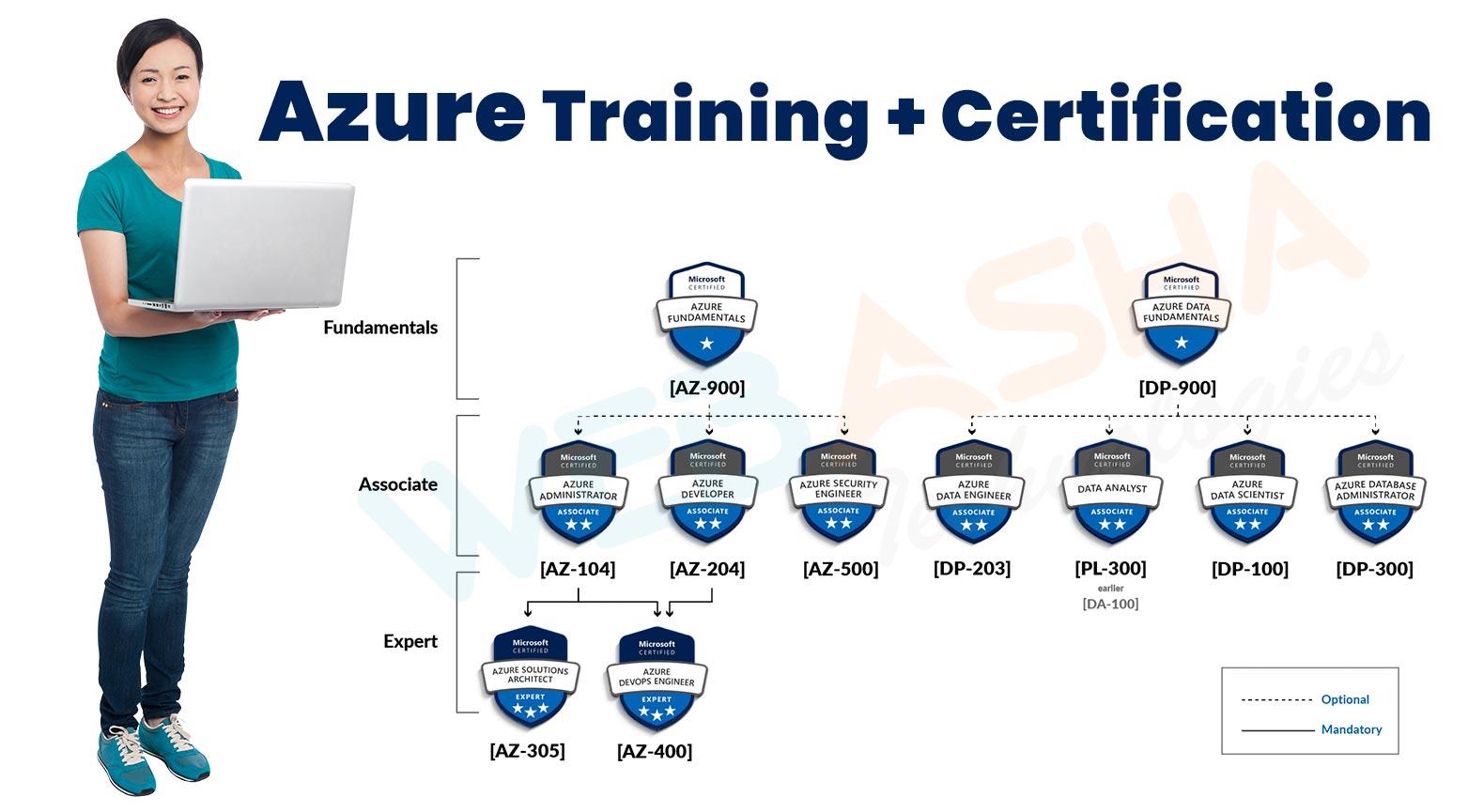
Cloud computing has become the backbone of modern IT infrastructure, and Microsoft Azure is one of the most widely adopted cloud platforms worldwide. Organizations across industries are actively migrating to Azure for scalability, security, and performance. If you want to build a successful career in cloud technology, enrolling in a trusted Azure Cloud Training Institute in Pune is the right...
Fakturaköp har blivit ett av de snabbast växande finansieringsverktygen för svenska B2B-företag. Och det är inte svårt att förstå varför. I en ekonomi där betalningstider sträcker sig från 30 till 90 dagar och kostnader är omedelbara, är kassaflödet ofta det som avgör om ett bolag kan växa eller inte....

The North America Vegan Cheese Market is witnessing strong growth due to the increasing adoption of vegan and flexitarian diets, rising prevalence of lactose intolerance, and growing consumer demand for dairy-free alternatives. The region benefits from high consumer awareness, advanced food processing technologies, and the presence of leading plant-based food...
Leveraging effective press release distribution platforms to drive sustainable startup business growth success Effective PR agency strategies are the cornerstone of startup visibility, helping new businesses cut through the digital noise to reach their target audience. By utilizing specialized distribution platforms, companies can broadcast their milestones to high-authority news...