India Diesel Generator Demand Reflects Backup Power and Infrastructure Needs

India’s power ecosystem is expanding rapidly, but uninterrupted electricity remains a critical requirement for industries, commercial buildings, healthcare facilities, data centers, construction sites, telecom towers, and residential complexes. Diesel generators continue to serve as backup and standby power systems where grid disruptions, voltage fluctuations, peak-load pressure, and mission-critical operations require immediate electricity support.
According to MarkNtel Advisors, the India Diesel Generator Market was valued at around USD 1,365 million in 2025 and is projected to grow from USD 1,428 million in 2026 to USD 1,935 million by 2032, registering nearly 5.19% CAGR during 2026–2032. This India diesel generator study reflects continued demand from infrastructure, commercial facilities, telecom networks, manufacturing, and emergency backup applications.
Power Reliability Remains a Practical Business Requirement
India has made significant progress in power generation, transmission, and household electrification, yet many businesses still require backup systems to manage supply interruptions and load variations. Manufacturing units, hospitals, hotels, retail facilities, offices, and educational institutions often depend on generator sets to prevent operational downtime, equipment damage, and service disruption during outages.
The country’s electricity planning is closely linked with industrial growth and grid modernization. The Ministry of Power plays a central role in policy direction, electricity access, and system development. As demand rises across urban and industrial centers, diesel generators remain relevant as a reliability layer, especially in locations where uninterrupted operations are essential.
Standby Generators Hold a Strong Position
Standby generators accounted for nearly 65% share by type in 2026, showing how strongly the category is tied to backup power needs rather than continuous prime power use. These systems are commonly installed in commercial towers, apartments, hospitals, warehouses, malls, telecom sites, and institutional buildings to ensure immediate electricity availability when grid supply fails.
India’s power infrastructure is becoming more advanced, but demand-supply balancing remains complex due to seasonal load changes, industrial consumption, and regional grid conditions. The Central Electricity Authority provides technical oversight and electricity-sector information that supports planning for generation, transmission, and distribution. In this context, generator sets continue to support resilience at the facility level.
Mid-Range Power Ratings Support Diverse Applications
The 76 kVA to 375 kVA power rating segment held around 22% share in 2026. This range is widely used because it serves a broad set of commercial and light industrial needs. It is suitable for medium-sized offices, residential complexes, small manufacturing units, retail spaces, telecom facilities, construction projects, and institutional buildings.
These generator sets offer a balance between capacity, cost, mobility, and operational flexibility. As India’s commercial real estate, logistics, warehousing, healthcare, and small-scale manufacturing activities expand, mid-range diesel generators remain important for businesses that require dependable backup without investing in very high-capacity systems.
Data Centers and Telecom Add New Demand Layers
India’s digital infrastructure growth is creating additional demand for reliable backup power. Data centers require continuous uptime for servers, cooling systems, security, and network operations. Telecom towers also need backup systems to maintain connectivity in areas affected by grid interruptions. These sectors place strong emphasis on reliability, monitoring, fuel efficiency, and rapid power restoration.
Digital infrastructure expansion aligns with broader energy-efficiency concerns. The Bureau of Energy Efficiency supports energy conservation and efficiency improvement across sectors. For generator users, this increases attention on fuel consumption, load optimization, maintenance practices, and hybrid backup systems that combine diesel generators with batteries or renewable energy.
Emission Norms Are Influencing Generator Technology
Diesel generators face rising scrutiny because of particulate matter, nitrogen oxides, and noise emissions. Regulatory pressure is encouraging adoption of cleaner engines, improved exhaust systems, acoustic enclosures, and better maintenance practices. In urban areas, especially those with air-quality concerns, compliance is becoming an important part of generator procurement and operation.
The Central Pollution Control Board provides pollution-control guidance and regulatory direction in India, including areas related to emissions and environmental compliance. As standards evolve, buyers are likely to prefer generator models that meet applicable norms while offering better fuel efficiency, lower noise, and improved lifecycle performance.
Energy Transition Will Shape the Next Phase
India’s clean energy expansion is gradually changing how backup power is planned. Solar, battery storage, gas-based systems, and hybrid power setups are becoming more relevant, particularly for commercial and industrial users seeking lower operating costs and reduced emissions. Diesel generators are expected to remain important, but their role may increasingly shift toward emergency backup and hybrid support.
The International Energy Agency’s India energy profile highlights the scale and complexity of India’s energy transition. As electricity demand grows, the diesel generator landscape will likely focus more on efficiency, compliance, digital monitoring, and integration with cleaner backup systems.
Outlook for India’s Diesel Generator Landscape
India’s diesel generator demand is expected to remain supported by commercial construction, infrastructure activity, telecom expansion, healthcare needs, manufacturing growth, and the requirement for reliable standby power. Buyers are likely to evaluate products based on capacity, fuel efficiency, service availability, emission compliance, durability, and total operating cost.
The sector’s future will depend on balancing reliability with environmental responsibility. Diesel generators will continue to serve critical backup needs, while technology upgrades and hybrid systems help align power continuity with India’s broader energy-efficiency and sustainability priorities.
Categorie
Leggi tutto
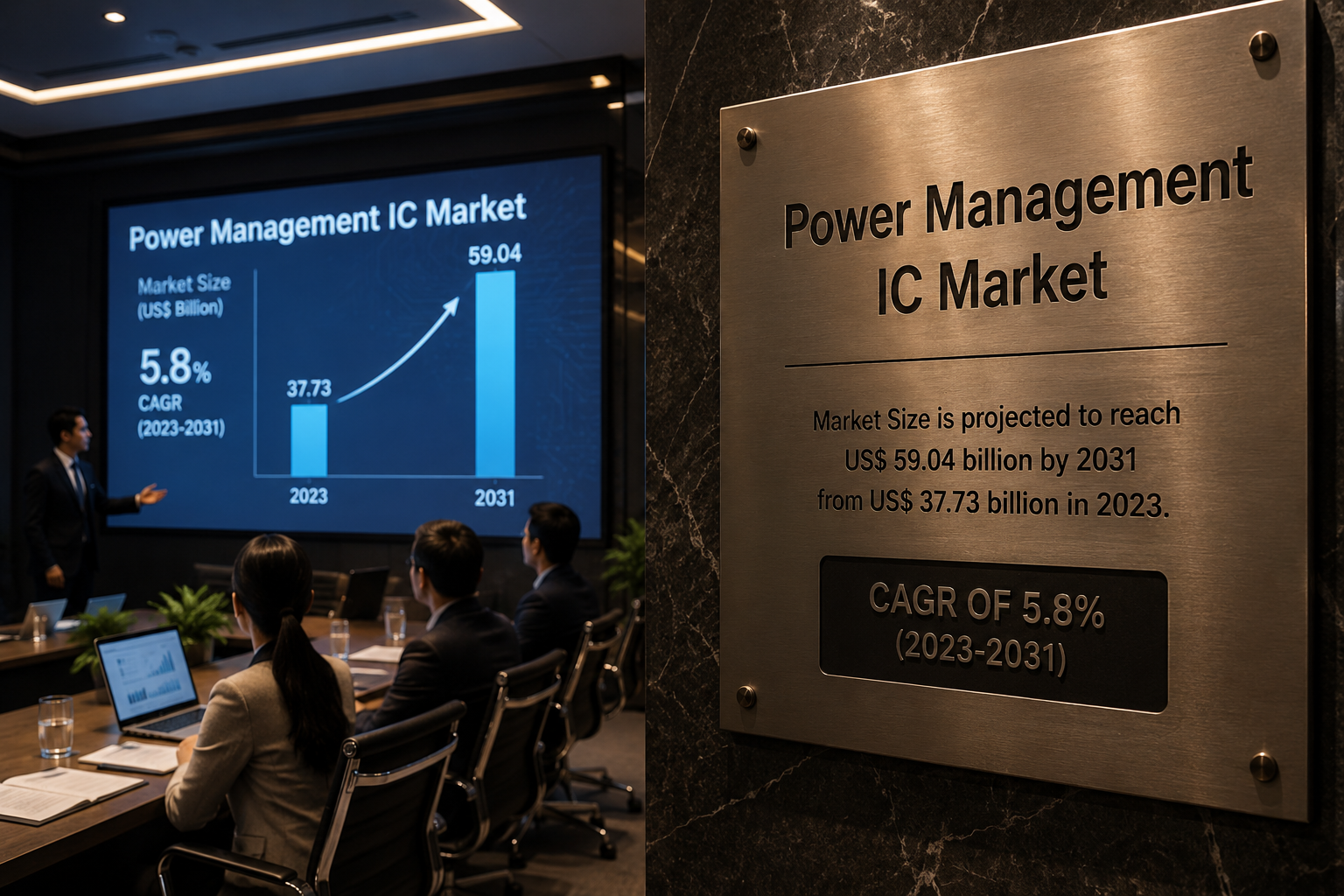
Power management integrated circuits (ICs) are becoming increasingly important in modern electronic systems due to their ability to regulate voltage, optimize energy usage, and improve device efficiency. These semiconductor components are widely integrated into smartphones, laptops, wearable devices, automotive electronics, industrial systems, and communication infrastructure. Rising adoption...
" According to the latest report published by Data Bridge Market Research, the Europe Japanese Restaurant Market CAGR Value The Europe Japanese restaurant market was valued at USD 3.77 billion in 2024 and is expected to reach USD 4.83 billion by 2032 During the forecast period of 2025 to 2032 the market is likely to grow at a CAGR of 3.17%, primarily driven...

Global Post‑Harvest Treatment Chemicals market was valued at USD 13.0 billion in 2026 and is projected to reach USD 20.0 billion by 2034, exhibiting a remarkable CAGR of 5.5% during the forecast period. Post‑Harvest Treatment Chemicals are specialized formulations applied after harvesting to preserve quality, extend shelf‑life, and prevent microbial spoilage of fruits, vegetables, and...

According to the latest report published by Data Bridge Market Research, the Sodium Dodecyl Sulphate-Polyacrylamide Gel Electrophoresis (SDS-PAGE) Market CAGR Value The global sodium dodecyl sulphate-polyacrylamide gel electrophoresis (SDS-PAGE) market size was valued at USD 559.58 Million in 2025 and is expected to reach USD 871.89 Million by 2033, at...
With multiple mobile providers offering high-data, 5G plans at competitive prices, it can be challenging to decide which one suits your needs best. Circles.Life, giga, and Simba each cater to different types of users. Circles.Life provides a balanced mix of data, perks, and roaming benefits, making it ideal for users who want more than just connectivity. giga focuses on budget-friendly 5G plans...