ICH E6(R3) Readiness: Turning Regulatory Change into a Competitive Advantage

Introduction
The world of clinical research is evolving at an unprecedented pace. From decentralized clinical trials and digital health technologies to global collaborations and data-driven decision-making, the industry is embracing innovation like never before. While these advancements improve trial efficiency and patient engagement, they also increase the responsibility of sponsors and research organizations to maintain the highest standards of quality, ethics, and compliance.
This is where ICH E6(R3) plays a pivotal role. As the latest revision of the Good Clinical Practice (GCP) guideline, it introduces a modern framework that reflects the realities of contemporary clinical research. The updated ICH E6(R3) guidelines encourage organizations to move beyond traditional compliance models and adopt a proactive approach to quality management, risk assessment, and participant protection.
Organizations that invest in ICH E6 R3 readiness today are not simply preparing for regulatory expectations—they are positioning themselves for long-term operational excellence and sustainable growth.
Why the Clinical Research Industry Needed ICH E6(R3)
Clinical trials have changed dramatically over the past decade. Researchers now rely on electronic health records, wearable technologies, remote monitoring, artificial intelligence, electronic informed consent, and cloud-based collaboration platforms to conduct studies more efficiently.
However, these advancements have introduced new challenges related to data integrity, cybersecurity, vendor oversight, and quality management. Traditional Good Clinical Practice frameworks were not designed to address every aspect of this rapidly changing environment.
The revised ICH E6(R3) guideline bridges this gap by providing a flexible, principles-based framework that supports innovation while maintaining the ethical and scientific standards expected in global clinical research.
A Shift Toward Proactive Quality
One of the defining themes of the ICH E6(R3) guidelines is the transition from reactive compliance to proactive quality management.
Historically, organizations often relied on monitoring visits and audits to identify issues after they had already occurred. While inspections remain important, the revised guideline encourages organizations to prevent problems through better planning, stronger governance, and continuous oversight.
This proactive mindset helps reduce protocol deviations, improve operational efficiency, and strengthen participant safety throughout the study lifecycle.
Rather than viewing quality as the responsibility of a single department, ICH E6(R3) promotes quality as a shared organizational commitment.
Quality by Design as a Strategic Approach
Quality by Design (QbD) is one of the most influential concepts introduced in the revised guideline.
Instead of correcting deficiencies during trial execution, organizations are encouraged to identify critical quality factors before the first participant is enrolled.
These factors may include:
- Study objectives
- Protocol complexity
- Participant eligibility criteria
- Safety reporting procedures
- Endpoint collection
- Data management workflows
- Monitoring strategies
By designing studies with these critical elements in mind, organizations can improve consistency while reducing unnecessary operational burden.
Risk-Based Quality Management
Not every process within a clinical trial presents the same level of risk. Recognizing this, ICH E6(R3) encourages sponsors and investigators to focus resources where they will have the greatest impact.
An effective risk-based quality management program includes:
- Early identification of critical risks
- Ongoing risk assessment
- Targeted monitoring strategies
- Continuous performance evaluation
- Timely corrective and preventive actions
This approach allows organizations to optimize resources while maintaining robust oversight of participant safety and data integrity.
Building ICH E6 R3 Readiness Across the Organization
Successful ICH E6 R3 readiness requires collaboration across every function involved in clinical research.
Rather than treating implementation as a regulatory exercise, organizations should view it as a strategic transformation initiative.
Key readiness activities include:
Evaluate Existing Processes
Organizations should begin with a gap assessment that compares current procedures with the expectations outlined in the ICH E6(R3) guidelines.
This assessment often identifies opportunities to improve quality management, monitoring strategies, vendor oversight, and documentation practices.
Modernize Quality Systems
Quality Management Systems should support continuous improvement rather than simply documenting compliance activities.
Organizations should establish processes that encourage regular performance reviews, quality metrics, and lessons learned across studies.
Update Standard Operating Procedures
Standard Operating Procedures should reflect modern clinical trial practices, including decentralized research, digital technologies, and risk-based quality management.
Clear documentation ensures consistency across global research teams.
Invest in Workforce Development
Employees remain the foundation of every successful quality system.
Training programs should provide practical guidance on how ICH E6(R3) affects day-to-day responsibilities across clinical operations, regulatory affairs, quality assurance, pharmacovigilance, data management, and information technology.
Continuous learning helps organizations remain aligned with evolving regulatory expectations.
Technology as a Compliance Enabler
Technology has become indispensable in modern clinical research.
Organizations pursuing ICH E6 R3 readiness should evaluate whether their digital infrastructure supports regulatory compliance while enabling operational efficiency.
Examples include:
- Electronic Trial Master Files (eTMF)
- Clinical Trial Management Systems (CTMS)
- Electronic Data Capture (EDC)
- Risk-Based Monitoring platforms
- Electronic informed consent systems
- Remote monitoring solutions
- Quality Management software
The ICH E6(R3) guidelines emphasize that these technologies should be appropriately validated, secure, reliable, and capable of preserving complete audit trails.
Addressing Common Implementation Challenges
Although the revised guideline provides flexibility, implementation may present challenges for organizations with complex global operations.
Common barriers include:
- Legacy quality systems
- Multiple disconnected software platforms
- Limited regulatory expertise
- Budget limitations
- Vendor management complexities
- Inconsistent documentation
- Organizational resistance to change
Developing a phased implementation strategy allows organizations to prioritize improvements while minimizing disruption to ongoing studies.
Long-Term Business Benefits
Preparing for ICH E6(R3) delivers value far beyond regulatory compliance.
Organizations that establish strong ICH E6 R3 readiness often experience:
- Higher-quality clinical data
- Improved inspection outcomes
- Enhanced participant safety
- More efficient study execution
- Better collaboration with CROs and investigators
- Increased sponsor confidence
- Reduced operational risk
- Stronger organizational reputation
These benefits support faster clinical development while improving overall research quality.
Looking Ahead
Clinical research will continue to evolve as artificial intelligence, real-world evidence, digital biomarkers, and personalized medicine become increasingly integrated into study design.
The flexibility provided by the ICH E6(R3) guidelines enables organizations to adopt these innovations without compromising ethical standards or scientific rigor.
Organizations that embrace ICH E6 R3 readiness today will be better equipped to respond to future regulatory changes and maintain a competitive advantage in the rapidly evolving life sciences sector.
Conclusion
This boycat article must have given you a clear understanding of the topic. The introduction of ICH E6(R3) represents a significant milestone in the evolution of Good Clinical Practice. By encouraging quality by design, risk-based oversight, modern data governance, and participant-focused research, the revised guideline provides organizations with a practical framework for improving clinical trial performance.
Achieving ICH E6 R3 readiness is more than a compliance objective—it is an opportunity to strengthen organizational resilience, improve operational efficiency, and build lasting trust among regulators, sponsors, investigators, and patients. Organizations that invest in the principles outlined in the ICH E6(R3) guidelines today will be well positioned to lead the future of clinical research.
Categorias
Leia mais
" Galloway Mowat Syndrome Market Summary: According to the latest report published by Data Bridge Market Research, the Galloway Mowat Syndrome Market Galloway Mowat syndrome market is expected to gain market growth in the forecast period of 2022-2029. Data Bridge Market Research analyses the market to account to grow at a CAGR of 6% in the above mentioned forecast period....

Introduction to VLBook Mobile Experience For modern Indian users, having VLBook 777 on a mobile device is essential for convenient betting and gaming. The VLBook APK download provides quick access to sports betting, live casino games, and traditional Indian card games like Teen Patti and Andar Bahar. Understanding the step-by-step process ensures the app runs smoothly while keeping accounts...

The Rise of Essentials Fear of God in Contemporary Fashion Essentials Fear of God has become one of the most influential names in modern streetwear, standing at the intersection of luxury aesthetics and everyday wearability. Created under the vision of Jerry Lorenzo, the Essentials line was introduced to make high-quality, thoughtfully designed fashion accessible to a wider audience without...

A fireplace adds warmth, style, and comfort to any home, whether it runs on wood, gas, propane, or electricity. Yet, like any part of the heating system, it requires proper care to function safely and efficiently. Neglecting timely maintenance or repair can lead to hazards, poor performance, or even costly damage. That is why many homeowners trust local technicians and specialists for regular...

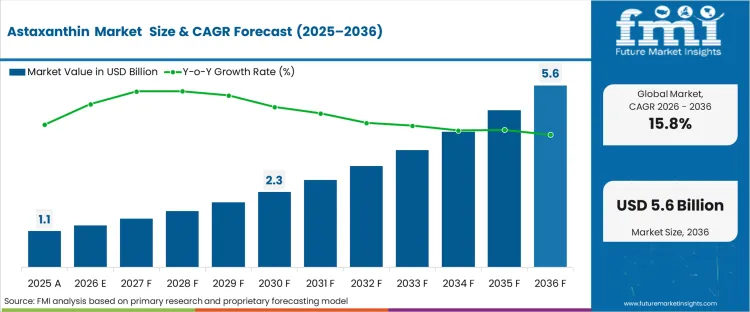
NEWARK, DELAWARE | March 27, 2026 — The global astaxanthin market is witnessing rapid expansion as demand for high-performance natural pigments and antioxidants intensifies across aquaculture, nutraceutical, and personal care industries. Astaxanthin, a powerful keto-carotenoid responsible for the red-orange coloration in marine species, is increasingly valued for its...