


ISO Certification: Improving Business Standards and Performance
ISO Certification: Improving Business Standards and Performance
ISO certification is an internationally recognized approval that confirms an organization has implemented a management system that meets the requirements of a specific ISO standard. It helps businesses improve processes, enhance quality, manage risks, and demonstrate their commitment to international best practices. Organizations across various industries obtain ISO certification to increase customer confidence, achieve regulatory compliance, and strengthen their position in competitive markets.
What is ISO Certification?
ISO certification verifies that an organization's management system has been independently evaluated and found to comply with the requirements of an applicable ISO standard. These standards cover different areas, including quality management, environmental management, information security, occupational health and safety, food safety, and energy management.
The certification process generally includes implementing the required management system, conducting internal audits, addressing nonconformities, and successfully completing an external certification audit.
Key Requirements for ISO Certification
To achieve ISO certification, organizations must establish documented processes, define responsibilities, manage risks, monitor performance, and implement improvement actions. Employee awareness and training, internal audits, management reviews, and effective corrective actions are important elements for maintaining compliance.
Organizations must also demonstrate continual improvement by regularly reviewing their systems and improving processes to meet changing business and industry requirements.
Benefits of ISO Certification
ISO certification provides many advantages, including improved operational efficiency, better product and service quality, enhanced customer satisfaction, and stronger compliance with legal and regulatory requirements. It helps organizations reduce risks, optimize processes, and create a structured approach to continuous improvement.
Additionally, ISO certification builds trust among customers, partners, and stakeholders while improving business credibility and creating opportunities in international markets.
Supporting Continual Improvement
Maintaining ISO certification requires ongoing monitoring, evaluation, and improvement. Organizations should conduct regular internal audits, review objectives, measure performance, and implement corrective actions to ensure their management systems remain effective. This continuous approach helps businesses adapt to new challenges and maintain long-term success.
Conclusion
ISO certification is a valuable investment for organizations aiming to achieve higher standards of quality, safety, and efficiency. It provides a framework for improving business operations, meeting customer expectations, and demonstrating commitment to international standards. By maintaining an effective management system, organizations can enhance performance, strengthen reputation, and achieve sustainable growth.
Κατηγορίες
Διαβάζω περισσότερα
Das laser handschweißgerät hat sich in der modernen Metallverarbeitung als eine der effizientesten Lösungen etabliert. Es bietet eine innovative Methode, Metalle schnell, präzise und sauber zu verbinden. Besonders für Unternehmen, die Wert auf Qualität und Produktivität legen, ist diese Technologie unverzichtbar geworden. Auf lasershop.net finden...

" According to the latest report published by Data Bridge Market Research, the High End Field Programmable Gate Array (FPGA) Market Global High End Field Programmable Gate Array (FPGA) Market was valued at USD 2.16 billion in 2021 and is expected to reach USD 9.97 billion by 2029, registering a CAGR of 21.10% during the forecast period of 2022-2029. Today’s businesses are more...

According to the latest report published by Data Bridge Market Research, the Blepharospasm Treatment Market The global blepharospasm treatment market size was valued at USD 409.83 Million in 2024 and is expected to reach USD 666.63 Million by 2032, at a CAGR of6.27% during the forecast period The market growth is largely fueled by the growing adoption of...

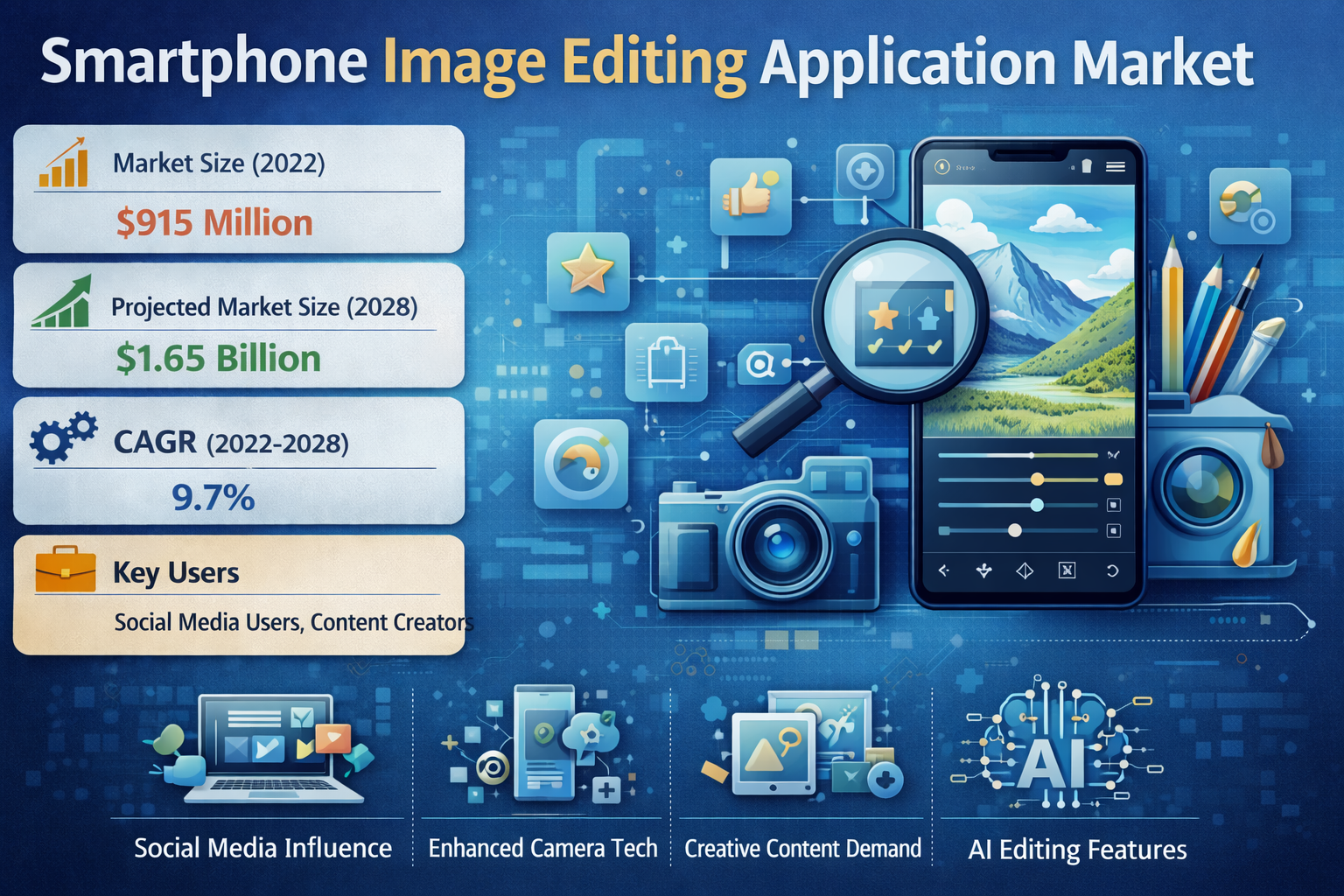
The global Smartphone Image Editing Application Market Drivers is witnessing strong growth, driven by the increasing demand for visually engaging content and the rapid evolution of mobile technologies. According to The Insight Partners, the market is expected to register a steady CAGR during the forecast period 2025–2031, supported by rising smartphone penetration and continuous...
The North America Cardiac Safety Service Market continues to play a significant role in the global clinical research landscape, supported by a robust pharmaceutical and biotechnology industry, advanced healthcare infrastructure, and increasing investments in drug development. The region has witnessed growing demand for cardiac safety assessment services as regulatory standards continue to...
