How Integrated eClinical Platforms Connect and Streamline Clinical Trial Workflows

Introduction
Clinical research has become increasingly digital, but many trials still struggle with operational gaps between systems. Sponsors and contract research organizations may use advanced tools for electronic data capture, randomization, trial supply management, patient engagement, safety reporting, monitoring, and document management. However, when these technologies do not communicate effectively, study teams must manually connect the processes.
These “last-mile” gaps often appear between the completion of one activity and the beginning of another. Participant information may need to be entered again after enrollment, safety data may require manual reconciliation, or protocol changes may need to be configured separately across several applications. Such gaps can slow study execution and increase administrative pressure on sites.
By adopting integrated eClinical platforms, research organizations can connect these individual activities into coordinated workflows. The result is a more efficient clinical trial environment in which information moves securely and consistently across systems.
Why Technology Gaps Persist in Digital Trials
Many clinical technology environments were built gradually. Organizations often implemented one system to solve a specific problem and introduced additional applications as new requirements emerged. Although each tool may work well independently, the overall environment can become fragmented.
A clinical trial may use one system for participant screening, another for informed consent, and separate applications for randomization, patient diaries, trial supplies, and operational reporting. Without effective connectivity, users become responsible for transferring information between them.
This creates several challenges. Site teams may repeat data entry, sponsors may receive delayed updates, and data managers may spend significant time investigating inconsistencies. Integrated eClinical systems help reduce these problems by establishing reliable connections between trial functions.
Instead of asking users to bridge every workflow manually, connected systems can exchange approved information based on predefined rules.
Improving the Transition from Screening to Enrollment
The transition from patient screening to enrollment is one area where disconnected processes can create delays. Site staff must confirm consent, assess eligibility, assign participant identifiers, complete enrollment, and initiate randomization.
When each stage is managed in a different application, staff may have to enter the same demographic and study information several times. A difference in an identifier or date can lead to confusion later in the trial.
Through eClinical platform integration, data captured during consent and screening can support enrollment and randomization. Once eligibility is confirmed, the participant’s updated status can be shared with authorized systems.
This reduces repetitive work and provides sponsors with more timely recruitment information. It also helps ensure that participant records remain aligned across clinical and operational tools.
Connecting Randomization with Trial Supplies
Randomization and investigational product management are closely related. When a participant is assigned to a treatment group, the site needs the correct study product available at the appropriate time.
If randomization and supply systems are disconnected, teams may depend on manual notifications and separate inventory checks. Delays can affect scheduled visits, while inaccurate forecasts may lead to excess stock or shortages.
Integrated eClinical platforms can connect treatment allocation with inventory management and automated resupply workflows. Enrollment and visit information can support demand planning, while dispensing activity can update inventory records.
This connection improves visibility for study teams and helps ensure that sites maintain sufficient supplies without unnecessary waste.
Supporting More Coordinated Safety Management
Safety reporting is one of the most important responsibilities in clinical research. Relevant adverse event data may originate in the electronic data capture system and later need to be reviewed within a pharmacovigilance platform.
When clinical and safety systems do not exchange information effectively, teams may need to enter the same details twice. They may also spend time reconciling differences between records.
Integrated eClinical systems can support controlled data transfer between clinical and safety workflows. Important event information can be sent to authorized users for review while maintaining traceability.
Integration does not eliminate the need for medical assessment or safety oversight. It reduces avoidable administrative work and helps teams focus on evaluating the event rather than repeatedly transferring information.
Making Protocol Amendments Easier to Implement
Protocol amendments can affect nearly every part of a trial. A change may introduce new eligibility criteria, visit schedules, assessments, questionnaires, treatment rules, or supply requirements.
In a fragmented environment, each system must be reviewed and updated independently. If one application is overlooked or configured incorrectly, sites may receive conflicting instructions.
Effective eClinical platform integration gives organizations a more structured way to manage these changes. Teams can identify affected workflows and coordinate updates across electronic data capture, randomization, patient engagement, supply, and reporting systems.
Connected technology also improves traceability by helping organizations document what changed, when it changed, and which users or sites were affected.
Reducing the Operational Burden on Sites
Research sites are often the most affected by technology fragmentation. Site personnel may need to manage multiple portals, login credentials, training programs, and support channels. They may also be asked to enter similar information into several applications.
This burden can contribute to delayed data entry and reduced productivity. It may also make participation in complex studies less attractive to experienced sites.
Integrated eClinical platforms create opportunities to simplify site workflows. Data entered once can be reused where appropriate, while automated task routing can guide users through required activities.
A more connected experience allows site teams to spend less time managing technology and more time supporting participants and completing essential study procedures.
Improving Oversight with Connected Information
Sponsors need a clear understanding of study progress. They must monitor enrollment, data quality, query resolution, protocol deviations, site performance, participant compliance, and supply status.
When these indicators are stored separately, study leaders may receive an incomplete or outdated view. Reports may need to be prepared manually, delaying action.
With integrated eClinical systems, information from multiple functions can support centralized dashboards and risk indicators. Teams can identify unusual trends earlier and focus resources where they are most needed.
For example, lower patient questionnaire completion rates may be reviewed alongside site activity and visit schedules. This broader perspective can help teams determine whether the issue relates to technology, patient engagement, or site support.
Conclusion
This boycat article must have given you a clear understanding of the topic. The goal of integration is not to place every activity inside one application. Clinical trials require specialized tools, and organizations may continue using systems from different providers.
The objective is to make those technologies work together. Successful eClinical platform integration depends on clear data ownership, secure interfaces, workflow governance, validation, training, and support.
When these elements are addressed, integrated eClinical platforms can close the operational gaps that remain in many digital trials. They reduce repeated work, strengthen data consistency, improve oversight, and create smoother experiences for sites and patients.
As clinical research continues to evolve, organizations will gain the greatest value not simply from adopting more technology, but from connecting technology around complete trial workflows. Integrated eClinical systems provide the foundation for that connected approach, helping sponsors and CROs conduct studies with greater coordination, visibility, and control.
Categories
Read More
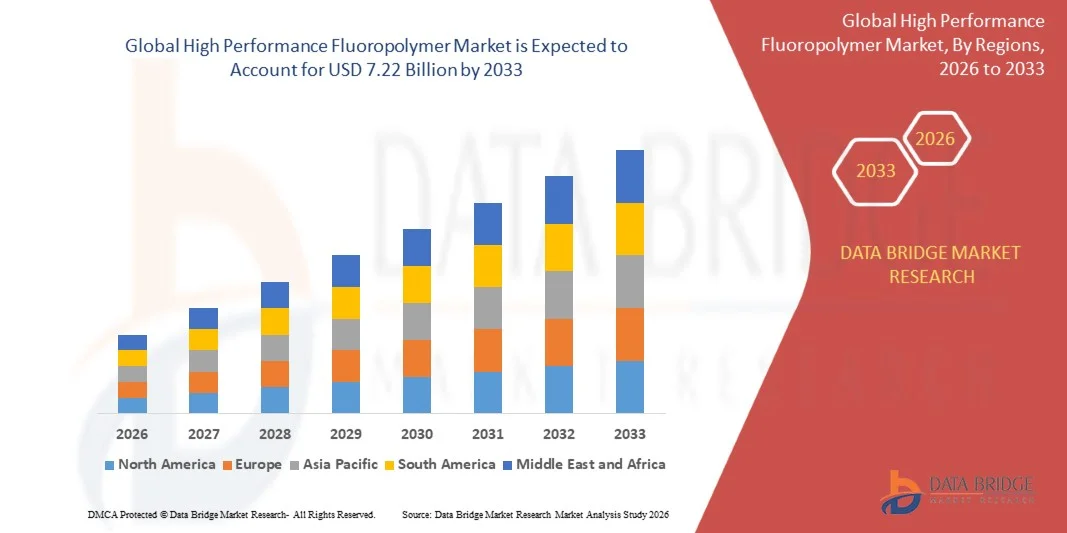
"High Performance Fluoropolymer Market Summary According to the latest report published by Data Bridge Market Research, the High Performance Fluoropolymer Market The global high performance fluoropolymer market size was valued at USD 4.33 billion in 2025and is expected to reach USD 7.22 billion by 2033, at a CAGR of 7.50% during the forecast period Thorough...
LL777 has quickly become a leading name in the world of online gaming, offering players an exciting and professional experience. Whether you are a casual gamer or a dedicated enthusiast, LL777 provides a platform that is both engaging and rewarding. With its vast collection of games, exclusive promotions, and focus on safety, LL777 ensures every player enjoys a seamless and enjoyable...

The Electric Range Extender Market is witnessing significant growth as the automotive industry continues its transition toward sustainable mobility solutions. Electric range extenders are auxiliary power units designed to increase the driving range of electric vehicles by providing additional energy when the battery charge is depleted. These systems help address range anxiety...
" According to the latest report published by Data Bridge Market Research, the Pet Oral Care Products Market Data Bridge Market Research analyzes that the global pet oral care products market which was USD 9.8 billion in 2022, would rocket up to USD 16.4 billion by 2030, and is expected to undergo a CAGR of 6.4% during the forecast period 2023 to 2030.Attaining maximum return on...
Introduction Numerology and astrology have always offered humans deeper insights into destiny, energy flow, and life challenges. One such ancient numerology system that has gained massive popularity in spiritual communities is the Lo Shu Grid. It is often used to analyze personality traits, strengths, missing energies, and life imbalances based on your date of birth. When certain numbers are...