


Electrical Training Course: Answers to the Questions People Actually Search For

When people search for an electrical training course, they usually aren't looking for a motivational pep talk. They want real answers — how long it takes, what it costs, whether they need prior knowledge, and if it will actually get them a job. So instead of the usual fluff, here's what people really want to know.
Do You Need Prior Knowledge to Join?
This is probably the most common question, and the answer is no. Most electrical training courses, including ours at Hi-Tech Automotive Skills Development Academy in Khanna, Punjab, are built for complete beginners. Classes start with basic electrical concepts — how current flows, what different tools do, and how to stay safe while working — before moving into hands-on practice.
How Long Does the Course Take?
Duration varies depending on the institute and the depth of training, but most practical electrical courses run for a few weeks to a few months. The focus isn't on rushing through theory; it's on making sure students actually get enough hands-on time to feel confident working independently by the end.
Will It Actually Help With Job Placement?
This is where people get skeptical, and fairly so — a lot of institutes promise jobs without delivering. What actually helps is a course that's practical rather than purely classroom-based. Employers care less about certificates and more about whether someone can walk in and troubleshoot a real wiring issue or fix a faulty circuit without hand-holding. That's why hands-on training matters more than lecture hours.
What Kind of Work Can You Do After?
Graduates typically go into residential and commercial electrical work, maintenance roles in factories, or even start their own local electrical repair service. Some students who complete electrical training also move into related areas like our automobile repair training, since a lot of modern vehicle systems now overlap with core electrical skills.
Is Certification Actually Worth Anything?
A certificate alone won't get anyone a job, but it does help during hiring — it shows an employer that someone has gone through structured, verified training rather than picking up random skills informally. Combined with practical ability, it makes a real difference.
Final Thoughts
If you're seriously considering an electrical training course, the questions to ask aren't about brochures or promises — they're about how much hands-on practice you'll actually get and whether the trainers have real field experience. That's what separates a course that looks good on paper from one that actually prepares you for work.
الأقسام
إقرأ المزيد
A Hydraulic Pump plays a vital role in many industries by converting mechanical energy into hydraulic energy. It is widely used in construction equipment, manufacturing machinery, agricultural tools, and automotive systems. With its ability to generate high pressure and smooth power transmission, this equipment has become essential for modern operations. Businesses that rely on heavy machinery...
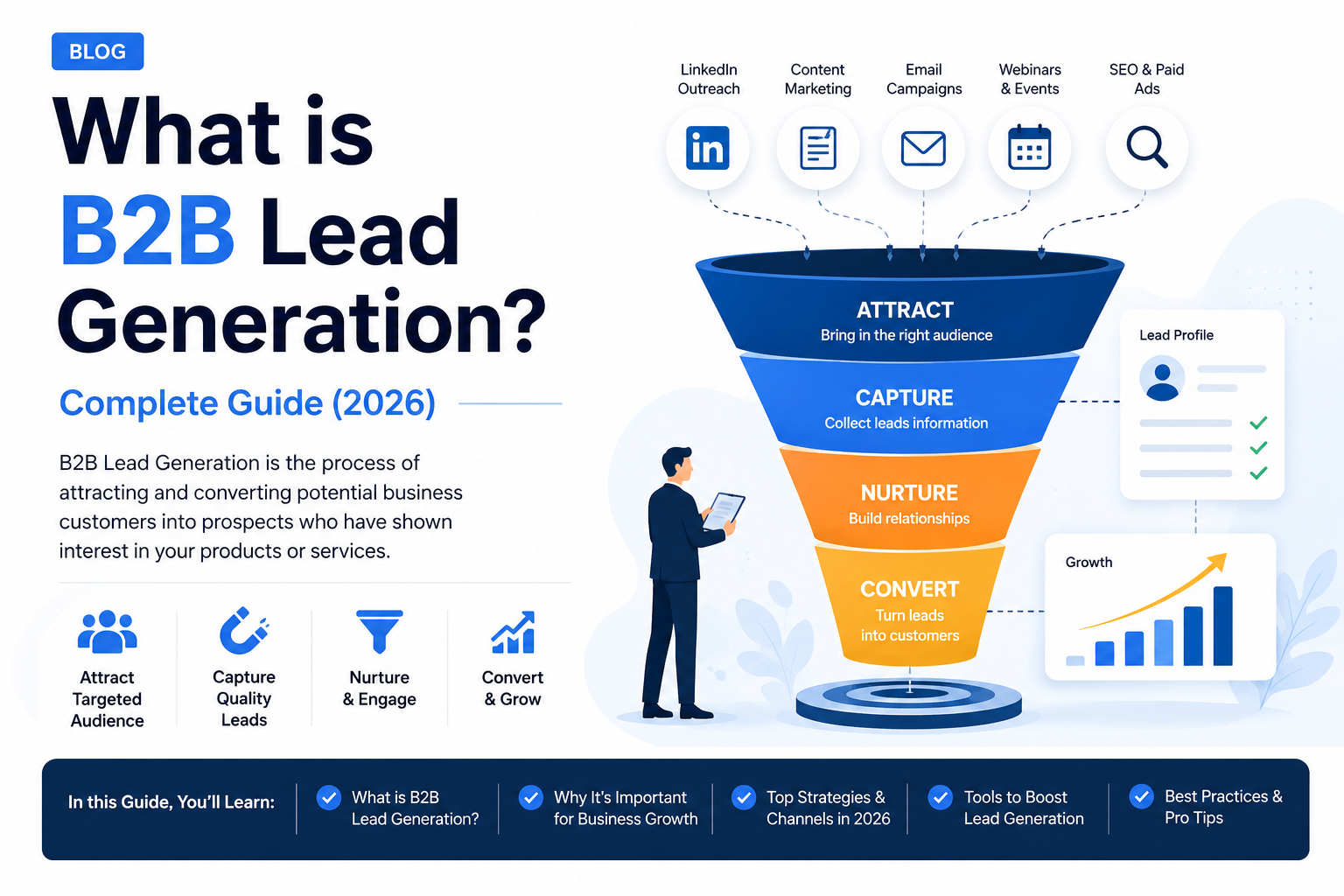
Introduction In nowadays’s fantastically competitive virtual panorama, groups are continuously attempting to find effective approaches to attract ability customers and boom income. One of the maximum powerful strategies utilized by agencies is B2B lead generation.Whether you're a startup, a small business, or an established company, expertise how B2B lead generation works let you...
The traditional approach to digital learning is undergoing a massive shift. While standard learning platforms have served us well for years, the rise of Artificial Intelligence has introduced a more dynamic, personalized, and efficient way to manage education. An AI LMS (Artificial Intelligence Learning Management System) is no longer just a repository for PDFs and videos; it is an intelligent...

Specialists Comp For Staffing Organizations in Colorado Staffing offices in Colorado confront special challenges when it comes to workers’ remuneration. Laborers comp is a vital angle of ensuring both your representatives and your trade. Understanding how Workers Comp For Staffing Agencies in Colorado works can spare you critical time, cash, and potential legitimate issues. What is...

Ammunition Handling System market activity is robust in the land forces segment, with a particular focus on automated turret systems that provide superior protection to the crew. By separating the ammunition storage from the crew compartment, these systems dramatically increase survivability in the event of an accidental detonation or enemy strike. This design philosophy is now standard...
