Below Ground Tank: Complete Guide to Types, Benefits, Installation & Maintenance
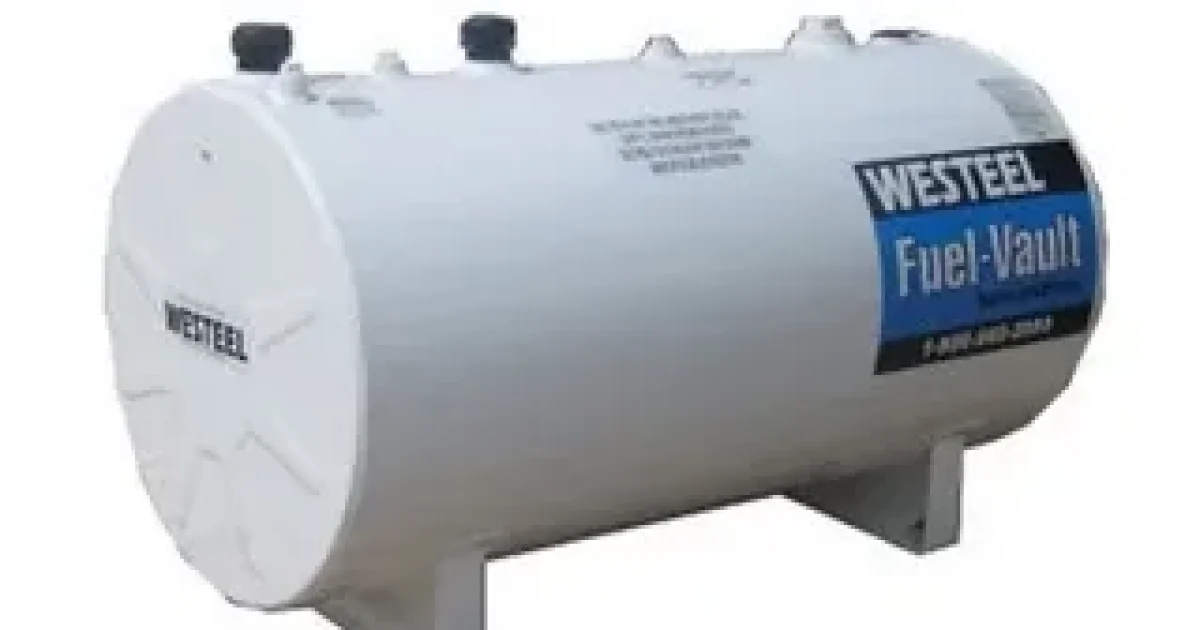
Efficient water storage is essential for homes, commercial buildings, industries, farms, and municipal projects. As land becomes more valuable and property owners seek long-lasting storage solutions, below ground tanks have become a preferred choice. These tanks are installed beneath the surface, allowing users to store large volumes of water or other approved liquids without occupying valuable outdoor space.
Unlike above-ground storage systems, underground tanks remain protected from harsh weather conditions, temperature fluctuations, and accidental damage. Their hidden installation also improves the appearance of residential and commercial properties while providing reliable storage for years with proper maintenance.
Whether you’re planning a rainwater harvesting system, agricultural irrigation, fire protection, or industrial water storage, understanding how below ground tanks work can help you make the right investment. This guide explains the different types, benefits, installation process, maintenance requirements, and important factors to consider before choosing a below ground tank.
What Is a Below Ground Tank?
A below ground tank, also known as an underground storage tank, is a specially designed container installed beneath the earth’s surface for storing water or other compatible liquids. These tanks are engineered to withstand underground pressure, soil movement, and moisture while maintaining structural integrity for decades.
Modern underground tanks are manufactured using durable materials such as reinforced concrete, fiberglass, polyethylene (plastic), and steel. Each material offers unique advantages depending on the intended application, soil conditions, and storage requirements.
Below ground tanks are commonly used for:
- Residential water storage
- Rainwater harvesting
- Agricultural irrigation
- Commercial water supply
- Industrial process water
- Fire protection systems
- Emergency water reserves
Types of Below Ground Tanks
Selecting the right tank depends on your project requirements, budget, installation site, and expected lifespan.
1. Concrete Below Ground Tanks
Concrete tanks are known for their exceptional strength and durability. They are widely used for large-scale residential, commercial, and municipal projects.
Advantages
- Extremely durable
- Suitable for large capacities
- Excellent structural strength
- Long service life
- Resistant to external pressure
Best For
- Large buildings
- Industrial facilities
- Municipal water storage
- Fire water reservoirs
2. Polyethylene (Plastic) Underground Tanks
Plastic underground tanks are lightweight, corrosion-resistant, and relatively easy to install. They have become increasingly popular for residential applications.
Advantages
- Lightweight construction
- Corrosion resistant
- Easy transportation
- Affordable installation
- Low maintenance
Best For
- Homes
- Small commercial buildings
- Rainwater harvesting
3. Fiberglass Underground Tanks
Fiberglass tanks combine strength with corrosion resistance. They are commonly used where long-term performance is critical.
Advantages
- Rust-free
- Lightweight
- Long lifespan
- Chemical resistant
- Minimal maintenance
Best For
- Commercial properties
- Industrial facilities
- Chemical storage applications
4. Steel Underground Tanks
Steel tanks provide high structural strength but require protective coatings to prevent corrosion.
Advantages
- High durability
- Excellent strength
- Suitable for heavy-duty applications
Best For
- Industrial facilities
- Specialized storage systems
Benefits of Below Ground Tanks
Installing a below ground tank offers several practical advantages beyond simply storing water.
Saves Valuable Space
Since the tank is installed underground, it frees up outdoor areas for landscaping, parking, gardens, or additional construction. This makes underground tanks ideal for properties with limited available space.
Better Protection from Weather
Underground installation shields the tank from direct sunlight, strong winds, freezing temperatures, and extreme heat. These conditions often shorten the lifespan of exposed storage systems.
Improved Water Quality
Stored water remains cooler and experiences less exposure to sunlight, reducing algae growth and helping preserve water quality over extended periods.
Enhanced Property Appearance
Because the tank is hidden beneath the surface, it does not affect the visual appeal of your home, office, or commercial property.
Long-Term Durability
Properly installed underground tanks can provide reliable performance for decades with routine inspections and maintenance.
Increased Safety
Hidden installation reduces the risk of accidental impacts, vandalism, or damage caused by vehicles and equipment.
Common Applications of Below Ground Tanks
Below ground tanks are used across numerous industries and sectors.
Residential Water Storage
Homeowners install underground tanks to store municipal water, harvested rainwater, or emergency reserves.
Rainwater Harvesting
Collected rainwater can be stored underground and later used for irrigation, toilet flushing, washing vehicles, or landscape maintenance.
Agriculture
Farmers use underground storage tanks to maintain a reliable water supply for irrigation, livestock, and crop management.
Commercial Buildings
Hotels, shopping centers, schools, hospitals, and office complexes rely on underground storage systems for daily operations and emergency backup.
Fire Protection
Many commercial and industrial facilities maintain dedicated underground water storage for fire suppression systems.
Industrial Use
Manufacturing facilities require reliable storage for processing water, cooling systems, and operational requirements.
How to Choose the Right Below Ground Tank
Several important factors should be evaluated before purchasing an underground storage tank.
Storage Capacity
Estimate your daily water consumption and future needs. Choosing the correct capacity prevents shortages while avoiding unnecessary installation costs.
Tank Material
Different materials perform better under different environmental conditions. Consider soil type, groundwater levels, chemical exposure, and expected lifespan.
Installation Location
The selected site should allow safe excavation while maintaining proper distance from buildings, utility lines, and septic systems.
Local Regulations
Always verify local building codes, environmental regulations, and permit requirements before installation.
Maintenance Accessibility
Choose a design that allows easy inspection, cleaning, and servicing throughout the tank’s operational life.
Below Ground Tank Installation Process
Professional installation is essential for ensuring safety and long-term performance.
Site Assessment
Engineers evaluate soil conditions, groundwater levels, drainage, and accessibility.
Excavation
The installation area is excavated according to the tank dimensions and required safety clearances.
Foundation Preparation
A stable base of compacted gravel or concrete is prepared to evenly support the tank.
Tank Placement
The tank is carefully lowered into the excavation using appropriate lifting equipment.
Pipe Connections
Water inlet, outlet, overflow, and ventilation systems are connected according to design specifications.
Backfilling
Suitable material is placed around the tank while maintaining proper support and preventing movement.
Testing
The complete system is inspected for leaks, structural stability, and proper operation before commissioning.
Maintenance Tips for Below Ground Tanks
Routine maintenance significantly extends the service life of underground tanks.
Schedule Regular Inspections
Inspect the tank periodically for leaks, cracks, corrosion, or structural damage.
Clean the Tank
Sediment naturally accumulates over time. Professional cleaning helps maintain water quality and storage efficiency.
Check Pipe Connections
Inspect valves, pipes, and fittings for leaks or wear.
Monitor Water Quality
If the tank stores drinking water, regular water quality testing is recommended.
Inspect Ventilation Systems
Proper ventilation prevents pressure buildup and helps maintain safe operating conditions.
Maintain Access Covers
Ensure access lids remain sealed to prevent contamination and unauthorized entry.
Common Problems and Solutions
Although underground tanks are highly reliable, some issues may occur if maintenance is neglected.
Sediment Buildup
Regular cleaning prevents reduced storage capacity and water contamination.
Corrosion
Choosing corrosion-resistant materials and protective coatings minimizes long-term damage.
Ground Movement
Professional installation helps reduce the impact of soil settlement and shifting.
Water Leakage
Routine inspections allow small leaks to be repaired before they become serious problems.
Why Professional Installation Matters
Installing an underground tank requires technical expertise. Improper installation can lead to structural failure, groundwater infiltration, poor drainage, and expensive repairs.
Professional installers understand excavation requirements, soil conditions, load distribution, drainage systems, and local construction regulations. Investing in expert installation often reduces long-term maintenance costs and improves system reliability.
Frequently Asked Questions
How long does a below ground tank last?
Depending on the material and maintenance, many underground tanks last between 25 and 50 years or even longer.
Are below ground tanks safe?
Yes. Properly designed and professionally installed tanks provide safe, reliable storage for residential, commercial, and industrial applications.
Can underground tanks collect rainwater?
Absolutely. They are widely used in rainwater harvesting systems for homes, farms, and commercial buildings.
Categorias
Leia mais
Microneedle Drug Delivery Systems Market to Reach USD 14.82 Billion by 2032 at 7.9% CAGR | AI-Driven Healthcare, Precision Medicine Boom & Future of Lifesciences Innovation The global Microneedle Drug Delivery Systems Market is entering a transformative phase as biotechnology innovation, precision medicine, AI-driven healthcare, and patient-centric therapeutic technologies...

" Open RAN Market Summary: According to the latest report published by Data Bridge Market Research, the Open RAN Market The global open RAN market size was valued at USD 5.28 billion in 2025 and is expected to reach USD 51.73 billion by 2033, at a CAGR of 33.01% during the forecast period Winning Open RAN Market research report is a persuaded...

Embark Studios has released a detailed breakdown of Arc Raiders matchmaking, accompanied by two significant live changes to the system. The developer plans to keep tuning the matchmaking as players respond to the update. Matchmaking Changes: Defending and Activity Weight The first change addresses a previous limitation: defending yourself is no longer treated the same as starting a fight....

Over recent weekends in Spain, internet users have experienced widespread disruptions due to aggressive IP blocking measures implemented by Cloudflare, which have been primarily driven by efforts to curb illegal football streaming. This crackdown, prompted by pressure from major sports broadcasters like LaLiga and telecom companies such as Telefónica, aims to shut down unauthorized...

Питомцы часто становятся свидетелями того, как мы едим. Они ждут кусочек с нашего стола, но многие продукты, казалось бы безобидные взрослым, для животных опасны или ядовиты. В этой статье разберёмся, какие продукты категорически запрещены и почему. Вы получите практические советы, как организовать питание так, чтобы ваш любимец был здоров и счастлив. Почему некоторые продукты опасны для собак...