


Differences Between Compound and Couverture Chocolate (And When to Use Magic Silk)

Chocolate is one of the most versatile ingredients in the world of confectionery, but not all chocolate is the same. If you’ve ever worked with chocolate for baking, molding, or professional confectionery, you’ve likely heard of compound chocolate and couverture chocolate. Understanding the difference between these two types is essential because it affects taste, texture, handling, and final results. Additionally, modern tools like Magic Silk have made chocolate work easier, especially when tempering is involved.
In this article, we’ll explore the key differences between compound and couverture chocolate and understand when and why you might use Magic Silk.
What Is Compound Chocolate?
Compound chocolate is a type of chocolate product made by replacing cocoa butter with vegetable fats such as palm kernel oil or coconut oil. Because of this substitution, it behaves very differently from real chocolate.
One of the biggest advantages of compound chocolate is ease of use. It does not require tempering, which means you can simply melt it and use it for coating, molding, or dipping. This makes it very popular among beginners, home bakers, and commercial bakeries that need speed and consistency.
Compound chocolate is also more affordable than couverture chocolate because vegetable fats are cheaper than cocoa butter. However, the trade-off comes in flavor and mouthfeel. It tends to taste sweeter and less rich compared to real chocolate, and it doesn’t provide the same smooth melt-in-the-mouth experience.
Because of these qualities, compound chocolate is commonly used for:
-
Coating biscuits and wafers
-
Making budget-friendly chocolates
-
Decorative drizzles and quick desserts
-
Large-scale bakery production
What Is Couverture Chocolate?
Couverture chocolate is considered real, high-quality chocolate. It contains a higher percentage of cocoa butter compared to regular chocolate, which gives it superior fluidity, shine, and texture.
This type of chocolate is widely used by professional chocolatiers because it produces a glossy finish, firm snap, and luxurious mouthfeel. However, it requires proper tempering to achieve these qualities.
Tempering is essential because cocoa butter crystals must be stabilized to prevent chocolate from becoming dull, streaky, or soft at room temperature. This is why mastering Chocolate Tempering Methods is an important skill for anyone working with couverture chocolate.
Couverture chocolate is typically used for:
-
Premium handmade chocolates
-
Chocolate bars
-
Enrobing truffles
-
Decorative chocolate work
-
Gourmet desserts
Key Differences Between Compound and Couverture Chocolate
1. Fat Content
The most important difference lies in the fat source. Compound chocolate uses vegetable fats, while couverture chocolate uses cocoa butter. This directly impacts texture and melting behavior.
2. Taste and Quality
Couverture chocolate has a richer, deeper cocoa flavor and smoother mouthfeel. Compound chocolate is sweeter and less complex in taste.
3. Tempering Requirement
Compound chocolate does not need tempering, making it easier to handle. Couverture chocolate requires careful temperature control and knowledge of the Process of Tempering Chocolate.
4. Cost
Compound chocolate is cheaper and widely used for mass production, while couverture chocolate is more expensive due to its higher cocoa butter content.
5. Appearance
Couverture chocolate produces a glossy finish and clean snap when properly tempered. Compound chocolate has a more matte appearance.
What Is Magic Silk and Why Is It Used?
Magic Silk is a cocoa butter–based tempering aid designed to simplify chocolate tempering. It is particularly useful when working with couverture chocolate because it helps stabilize cocoa butter crystals quickly and efficiently.
When added to melted chocolate in the right proportion, Magic Silk helps achieve proper tempering without requiring complex temperature curves. This makes it ideal for both beginners and professionals who want consistent results.
When Should You Use Magic Silk?
Magic Silk is especially useful in situations where tempering is required but time, equipment, or expertise may be limited. Some common scenarios include:
1. Working with Couverture Chocolate
When using real chocolate, achieving stable cocoa butter crystals is essential. Magic Silk supports Tempering Chocolate with Cocoa Butter by providing the right crystal structure.
2. Large-Scale Chocolate Production
For chocolatiers producing large batches, Magic Silk ensures uniform tempering across all products, reducing waste and improving consistency.
3. Hot or Humid Climates
In warm environments, chocolate tempering can be challenging. Magic Silk helps stabilize chocolate even when room conditions are not ideal.
4. Beginner-Friendly Tempering
For those new to chocolate work, Magic Silk simplifies the process and reduces the risk of bloom or dull finishes.
Choosing Between Compound and Couverture Chocolate
The choice depends on your goals, budget, and skill level. If you need quick, easy, and cost-effective results, compound chocolate is the better option. It is perfect for casual baking and mass production.
On the other hand, if you want premium quality, rich taste, and professional presentation, couverture chocolate is the ideal choice. Though it requires tempering, tools like Magic Silk make the process much easier and more reliable.
Final Thoughts
Understanding the difference between compound and couverture chocolate is essential for anyone working with chocolate, whether as a hobbyist or a professional. Compound chocolate offers convenience and affordability, while couverture chocolate delivers superior flavor, shine, and texture.
With modern tempering aids like Magic Silk, even beginners can confidently work with high-quality chocolate and achieve professional results. By choosing the right type of chocolate and tempering approach, you can elevate both the taste and appearance of your creations.
Categorii
Citeste mai mult
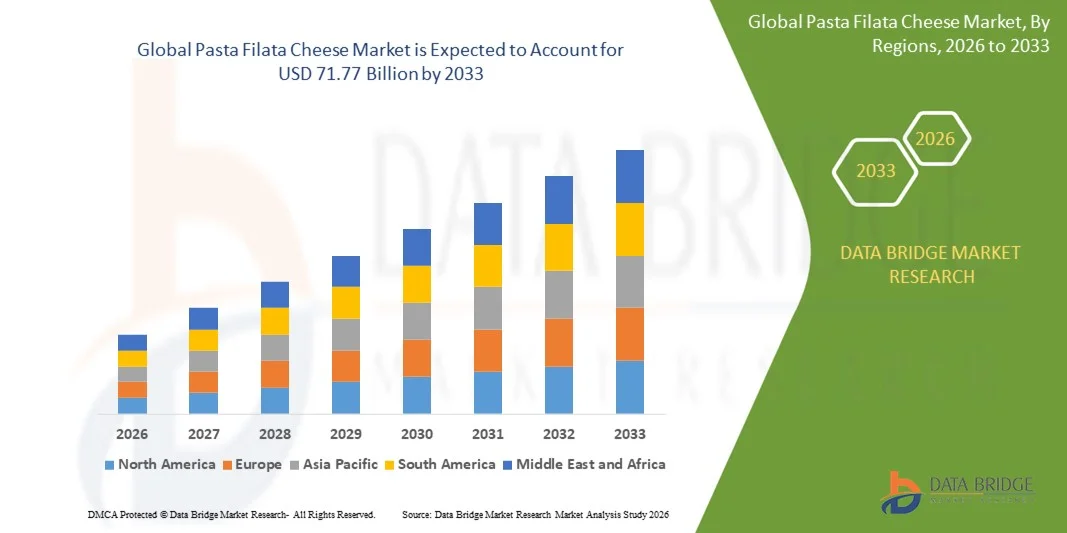
According to the latest report published by Data Bridge Market Research, the Pasta Filata Cheese Market The global pasta filata cheese market size was valued at USD 61.26 billion in 2025 and is expected to reach USD 71.77 billion by 2033, at a CAGR of 2.00% during the forecast period The market growth is largely fuelled by the rising demand for pizza,...
Observers across the football industry are closely monitoring conversations linked to world, tshabalala, siphiwe, first https://www.mexicogameday.com/collections/erick-sanchez-jersey, match. Several experts believe the issue could influence future planning for international tournaments and commercial partnerships.Industry researchers also highlighted the increasing economic significance of...

Exactitude Consultancy has just released a new report that dives into the global Pouches market. It explores everything from market size and share to demand and forecasts all the way through 2033. By analyzing historical data alongside current trends, the report sheds light on competitive strategies and the key factors driving market growth. Get FREE Sample Copy of this...

Industrial projects often face major challenges when operating in remote or environmentally sensitive areas. In places like Fox Creek, where forestry, oil and gas, and construction industries play an important role in the local economy, reliable ground support systems are critical for maintaining safe and efficient operations. Access mats have become one of the most practical solutions for...

Introduction To TOTO5D TOTO5D is followed by many people who enjoy studying numbers, checking results, and learning different research methods. Many players spend time looking at previous draws to understand how numbers appear over time. Instead of choosing numbers without thought, they prefer using simple analysis and personal observation. TOTO5D creates interest because it combines number...