Introduction
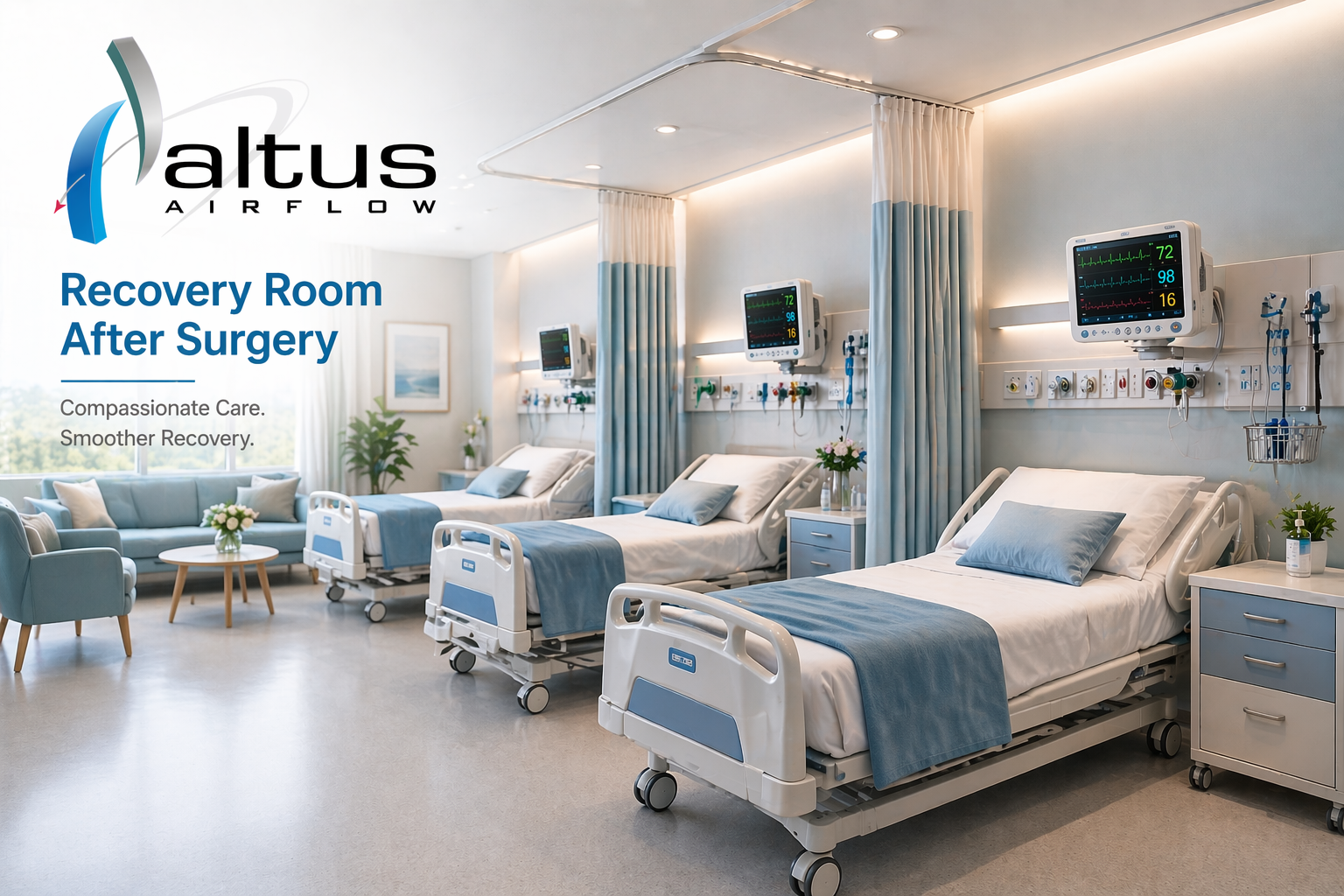
A Recovery Room After Surgery is a specialized hospital area where patients are closely monitored immediately after a surgical procedure. During this period, healthcare professionals observe the patient's recovery from anesthesia, assess vital signs, manage pain, and monitor for any post-operative complications. The primary goal is to ensure that patients recover safely before they are transferred to another hospital unit or discharged.
Recovery From Anesthesia
One of the first stages of recovery is waking up from anesthesia.
Healthcare professionals monitor the patient's level of consciousness, breathing, responsiveness, and overall condition while the effects of anesthesia gradually wear off.
Careful observation supports a safe recovery.
Continuous Vital Sign Monitoring
Vital signs are checked throughout the recovery period.
Medical staff continuously monitor heart rate, blood pressure, oxygen saturation (SpO₂), respiratory rate, body temperature, and ECG to ensure the patient remains stable.
Real-time monitoring helps identify any concerns quickly.
Pain Assessment and Management
Pain control is an important part of post-operative care.
Healthcare providers regularly assess pain levels and administer prescribed medications when necessary to keep patients comfortable during recovery.
Effective pain management promotes healing.
Respiratory Care
Breathing is carefully monitored after surgery.
Patients may receive oxygen therapy while healthcare professionals assess breathing patterns, airway function, and oxygen levels to ensure adequate respiratory recovery.
Respiratory monitoring improves patient safety.
Monitoring for Post-Operative Complications
Patients are observed for possible complications.
Medical teams monitor for excessive bleeding, nausea, vomiting, allergic reactions, breathing difficulties, infection, irregular heart rhythms, and delayed recovery from anesthesia.
Early detection allows prompt treatment.
Surgical Site Observation
The surgical area is examined regularly.
Healthcare professionals inspect dressings for bleeding, swelling, drainage, or signs of infection to ensure proper healing and identify complications at an early stage.
Routine assessment supports successful recovery.
Fluid and Medication Management
Patients continue receiving necessary treatments after surgery.
Healthcare providers manage intravenous fluids, medications, and other therapies while monitoring hydration levels and overall recovery progress.
Accurate treatment supports patient stability.
Neurological Assessment
Neurological function is evaluated during recovery.
Healthcare professionals assess consciousness, pupil response, movement, speech, and orientation to confirm that patients are recovering appropriately after anesthesia.
Regular assessment improves patient safety.
Preparation for Transfer or Discharge
Patients remain in the recovery room until they meet recovery criteria.
Once vital signs are stable, pain is controlled, breathing is normal, and the patient has recovered adequately from anesthesia, they are transferred to a hospital room or discharged based on medical evaluation.
Proper assessment ensures safe continuity of care.
Conclusion
A recovery room after surgery provides continuous monitoring, anesthesia recovery, pain management, respiratory care, surgical site observation, neurological assessment, fluid management, and complication detection. These services help ensure patients recover safely before leaving the recovery area and support successful post-operative outcomes.
FAQs
1. What happens in a Recovery Room After Surgery?
A Recovery Room After Surgery provides continuous monitoring, anesthesia recovery, pain management, respiratory assessment, surgical site observation, neurological evaluation, and monitoring for post-operative complications before patients are transferred or discharged.
2. Why are patients monitored after surgery?
Patients are monitored to ensure stable vital signs, safe recovery from anesthesia, and early detection of complications.
3. What vital signs are monitored in the recovery room?
Healthcare professionals monitor heart rate, blood pressure, oxygen saturation, respiratory rate, body temperature, and ECG.
4. How is pain managed after surgery?
Pain is assessed regularly, and prescribed medications are provided to keep patients comfortable during recovery.
5. When can a patient leave the recovery room?
Patients can leave once they have stable vital signs, controlled pain, adequate breathing, and have safely recovered from anesthesia.
Read Our Previous Blog----------->What services are provided by PICU Manufacturers In India?