Outsource Ecommerce Customer Service: Common Myths and Misconceptions
As ecommerce continues to expand, customer expectations are rising just as quickly. Shoppers want fast responses, knowledgeable assistance, and seamless support across every communication channel. While many retailers recognize the need for scalable support, some hesitate to outsource because of common misconceptions about quality, control, and customer experience.
The reality is that outsourcing has evolved significantly. Modern service providers work as an extension of a retailer's business, helping brands deliver consistent support while improving operational efficiency. Understanding the facts behind these myths can help businesses make informed decisions about their customer service strategy.
Myth 1: Outsourcing Means Lower Service Quality
One of the biggest misconceptions is that outsourcing automatically leads to poor customer service. In reality, experienced providers invest heavily in recruitment, training, quality assurance, and performance monitoring.
Agents receive detailed product training, brand guidelines, and ongoing coaching to ensure every interaction reflects the retailer's standards. Regular quality evaluations and customer feedback help maintain consistent service levels while continuously improving performance.
With the right partner, customers often receive faster and more professional support than they would from an overstretched internal team.
Myth 2: Outsourced Teams Cannot Represent Your Brand
Many retailers worry that external agents will not understand their brand voice or customer expectations.
Successful outsourcing providers work closely with businesses to learn their products, policies, communication style, and company values. Agents are trained using brand-specific documentation, knowledge bases, and real customer scenarios.
This preparation enables support teams to communicate naturally while maintaining the same tone and professionalism customers expect from the brand.
Myth 3: Outsourcing Is Only for Large Companies
Some business owners believe outsourcing only benefits enterprise organizations with thousands of daily customer interactions.
In reality, businesses of every size can benefit from outsourcing. Small and mid-sized ecommerce retailers often use outsourced teams to provide professional support without investing in large in-house departments.
Flexible staffing models allow businesses to scale support as they grow, making outsourcing an affordable option for companies at different stages of development.
Myth 4: Customers Prefer Speaking Only with Internal Employees
Customers are primarily concerned with receiving accurate information and timely assistance. They rarely know—or care—whether the representative is employed directly by the retailer or through a specialized service provider.
High-quality Ecommerce Customer Service focuses on resolving issues quickly, communicating clearly, and delivering a positive customer experience. When these expectations are met, customer satisfaction remains high regardless of where the support team is located.
Myth 5: Outsourcing Reduces Business Control
Another common concern is losing oversight of customer interactions.
Professional outsourcing partners provide detailed reporting, quality monitoring, call recordings, customer satisfaction metrics, and performance dashboards. Retailers remain actively involved in setting service standards, reviewing results, and refining operational processes.
Rather than reducing visibility, outsourcing often provides businesses with greater insight into customer interactions and service performance.
Myth 6: Outsourcing Only Handles Basic Customer Questions
Modern customer support providers do far more than answer simple inquiries. Many teams manage complex product questions, order management, technical troubleshooting, returns, warranty claims, loyalty programs, and marketplace support.
Advanced training, integrated technology platforms, and comprehensive knowledge management systems allow outsourced teams to handle sophisticated customer interactions while maintaining high accuracy.
This broader capability enables retailers to improve operational efficiency without sacrificing service quality.
Strong Customer Relationships Remain the Priority
One misconception is that outsourcing focuses only on reducing costs. While operational efficiency is certainly important, successful providers also prioritize long-term customer relationships.
Experienced support teams contribute to client retention management by resolving issues professionally, identifying opportunities to improve customer satisfaction, and creating positive experiences that encourage repeat purchases. Every interaction becomes an opportunity to strengthen customer loyalty rather than simply closing a support ticket.
Conclusion
Outsourcing ecommerce customer support is no longer simply a cost-saving strategy. It has become a practical solution for businesses seeking scalability, operational flexibility, and consistently high service standards. By moving beyond outdated myths, retailers can recognize the value that experienced support partners bring to customer experience, business growth, and long-term customer loyalty. Choosing the right outsourcing provider allows businesses to deliver exceptional service while remaining focused on innovation, product development, and expanding their ecommerce operations.
Categorias
Leia Mais
Fiction has discovered an ingenious way to make human behavior seem louder in a world when climate headlines are drowned out by background noise: letting animals speak. Allegory and satire do what statistics frequently fail to: they evoke a sense of involvement in readers without lecturing them. The distinction between “them” and “us” dissolves when a pig ascends to a...

Venture to the newly unveiled Riccioli Islands, a Rinascita expanse awaiting discovery. Seek out four distinct Musicflies soaring through this fresh terrain, each one guarding a unique Melody Box. These musical treasures can be exchanged with Aria Mummer, found in both Ragunna City's square and the Port of Riccioli, allowing you to customize your adventure's soundtrack. To begin your journey,...

The global fuel cell market is expected to witness significant expansion over the next decade as governments and industries accelerate the transition toward clean energy and low-carbon power generation. The market is projected to grow from approximately USD 8.7 billion in 2026 to nearly USD 36.0 billion by 2036, registering a CAGR of around 15.2%, according to the...

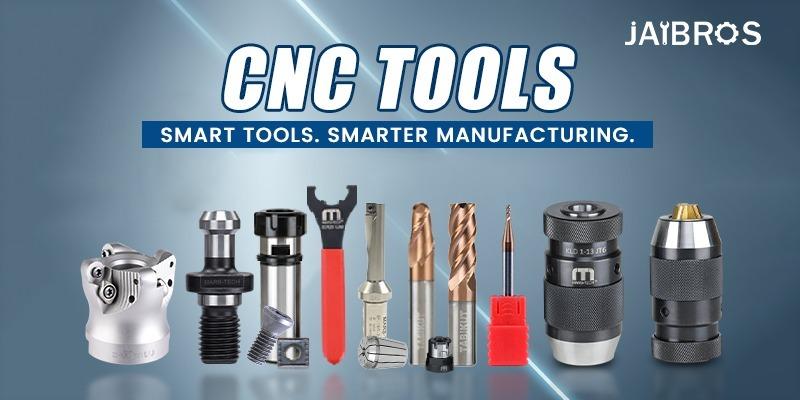
Discover the importance of CNC tools in modern machining for improved accuracy, efficiency, and high-quality production outcomes. What is a CNC Tool? A cnc tool is a cutting or shaping device used in computer-controlled machines. It removes unwanted material from a workpiece to achieve the desired shape and size. These tools are made using strong materials such as carbide, high-speed...
Weight management is a critical health topic in the United States, and Bakersfield, California, is no exception. With increasing awareness of the importance of maintaining a healthy weight, many residents are seeking professional support to achieve their wellness goals. A weight loss clinic Bakersfield CA can provide structured programs, medical guidance, and personalized plans to help...