


What is Insurance Underwriting? Process, Types, and Benefits Explained
Every insurance policy is built on one fundamental principle—risk evaluation. Before an insurer agrees to provide coverage, it must determine how likely a policyholder is to file a claim and how much risk the company is taking. This evaluation process is known as Insurance Underwriting.
Insurance Underwriting is the process insurers use to assess the level of risk associated with an individual, business, or asset before issuing an insurance policy. Based on this assessment, underwriters decide whether to approve coverage, determine policy terms, and calculate appropriate premium rates.
With advancements in artificial intelligence (AI), predictive analytics, and business intelligence, modern insurance underwriting has become faster, more accurate, and data-driven. Insurance companies today use digital underwriting solutions to improve decision-making, reduce fraud, and deliver a better customer experience.
What is Insurance Underwriting?
Insurance Underwriting is the process of evaluating potential policyholders to determine the risk involved in providing insurance coverage. Underwriters analyze financial, medical, operational, legal, and historical information to estimate the probability of future claims.
The primary objectives of insurance underwriting are to:
- Evaluate risk accurately
- Determine eligibility for coverage
- Calculate premium rates
- Define policy terms and conditions
- Protect insurers from excessive financial losses
By balancing risk and profitability, underwriting helps insurance companies remain financially stable while offering fair coverage to customers.
Why is Insurance Underwriting Important?
A well-structured Insurance Underwriting process benefits both insurers and policyholders.
Accurate Risk Evaluation
Insurers can identify high-risk applicants before issuing policies.
Fair Premium Pricing
Premiums are based on the actual level of risk rather than standardized assumptions.
Reduced Fraud
Verification and data analysis help detect fraudulent applications.
Better Profitability
Accurate underwriting minimizes unexpected claim losses.
Regulatory Compliance
Standardized underwriting processes help insurers comply with industry regulations and internal governance policies.
Types of Insurance Underwriting
Different insurance products require specialized underwriting approaches.
Life Insurance Underwriting
Evaluates age, health, medical history, lifestyle, occupation, and financial information to assess mortality risk.
Health Insurance Underwriting
Reviews medical history, existing health conditions, treatment records, and healthcare utilization.
Property Insurance Underwriting
Assesses buildings, equipment, location risks, construction quality, and exposure to natural disasters.
Commercial Insurance Underwriting
Evaluates business operations, financial performance, industry risks, employee safety, and compliance standards.
Liability Insurance Underwriting
Analyzes legal exposure, claims history, operational risks, and contractual obligations.
How Insurance Underwriting Works
The Insurance Underwriting process generally follows these steps.
Step 1: Application Submission
The applicant provides personal, financial, medical, or business information depending on the type of insurance.
Step 2: Risk Assessment
Underwriters analyze available data, historical records, and third-party information to evaluate risk.
Step 3: Verification
Information is validated through documentation, inspections, medical reports, or business intelligence sources.
Step 4: Underwriting Decision
The insurer decides to:
- Approve the application
- Approve with modified terms
- Request additional information
- Decline coverage
Step 5: Policy Issuance
Approved applicants receive coverage based on the determined premium and policy conditions.
Benefits of Modern Insurance Underwriting
Faster Policy Approvals
Automation significantly reduces underwriting turnaround time.
Improved Risk Accuracy
AI and predictive analytics provide more precise risk assessments.
Better Customer Experience
Digital underwriting simplifies the application and approval process.
Lower Operational Costs
Automation reduces manual reviews and administrative workload.
Reduced Claims Losses
Improved risk selection helps insurers minimize future claim costs.
Technology Driving Insurance Underwriting
Modern Insurance Underwriting relies on advanced digital technologies.
Artificial Intelligence (AI)
AI analyzes large datasets to identify risk patterns and improve underwriting accuracy.
Machine Learning
Machine learning continuously refines underwriting models using historical claims and policy data.
Predictive Analytics
Forecast future claims probability based on customer behavior and historical trends.
Business Intelligence
Interactive dashboards provide underwriters with real-time insights into customer and business risk.
Automation
Automated workflows streamline document verification, risk scoring, policy approvals, and reporting.
Why Businesses Choose Credhive
Modern Insurance Underwriting requires more than manual document verification—it demands reliable business intelligence and real-time risk assessment. Credhive provides an AI-powered Risk Intelligence platform that supports insurers, banks, NBFCs, fintech companies, and enterprises in making smarter underwriting decisions. Through its advanced Credit Decision Engine, Business Information Reports, Portfolio Monitoring, Vendor Risk Assessment, Early Warning Signals, MCA filings, GST data, financial statements, litigation records, compliance insights, and director linkages, Credhive delivers comprehensive business intelligence for evaluating corporate policyholders and commercial insurance risks. Its predictive analytics, automated monitoring, and real-time risk insights help insurers improve underwriting accuracy, reduce fraud, accelerate policy approvals, and strengthen portfolio performance.
Best Practices for Effective Insurance Underwriting
Use Verified Data Sources
Validate financial, medical, and business information before making underwriting decisions.
Leverage AI and Predictive Analytics
Use intelligent risk models to improve consistency and speed.
Continuously Update Risk Models
Adapt underwriting criteria based on changing market conditions and claims trends.
Monitor High-Risk Policies
Regularly review policies with elevated claim potential.
Automate Routine Tasks
Reduce manual effort by automating document verification and workflow management.
Conclusion
Insurance Underwriting is the foundation of every successful insurance business. By carefully evaluating risk, determining fair premiums, and defining appropriate policy terms, insurers protect their financial stability while providing customers with suitable coverage.
Modern underwriting powered by AI, machine learning, predictive analytics, and business intelligence enables insurers to make faster, more accurate decisions while improving customer experience and reducing operational costs. As the insurance industry continues to evolve, investing in intelligent Insurance Underwriting solutions is essential for managing risk, preventing fraud, and achieving sustainable long-term growth.
Kategoriler
Read More
Market Size: The global smart personal protective equipment market was valued at USD 1.54 billion in 2025 and is expected to grow at a CAGR of 14.45% from 2026 to 2034. Industrial Safety Wearables: Enhancing Worker Protection Through Smart Technology Workplace safety has become a critical priority across industries such as construction, manufacturing, oil & gas, mining, and logistics. As...

Closets often become the most neglected part of our homes. We stuff clothes, shoes, bags, and random items inside and shut the door, hoping the mess will magically disappear. But a messy closet can make your day feel chaotic before it even starts. Learning how to closet organize properly can change not just your room, but your daily routine and mindset. In this article, you’ll discover...
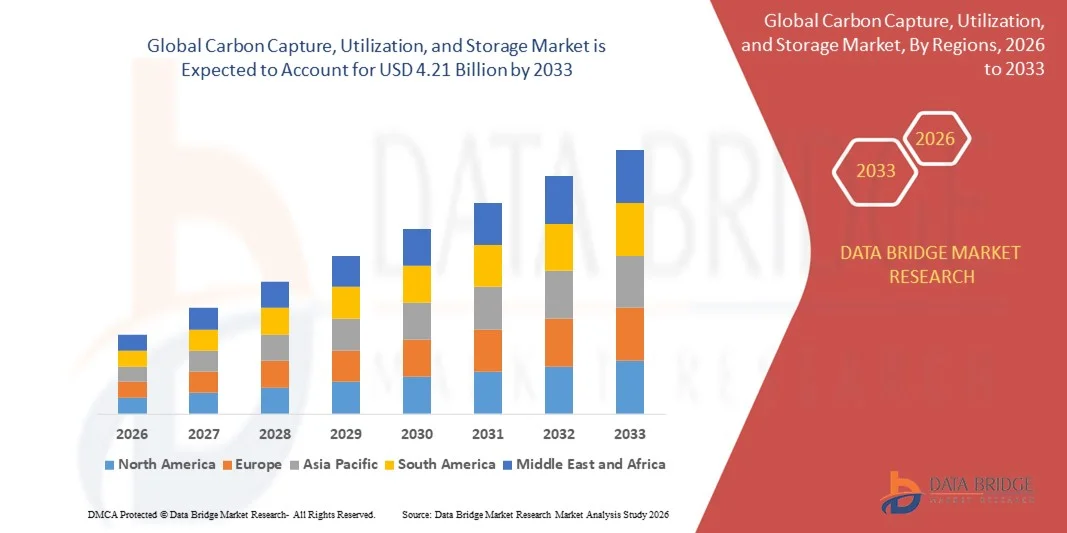
"Carbon Capture, Utilization, and Storage Market Summary: According to the latest report published by Data Bridge Market Research, the Carbon Capture, Utilization, and Storage Market The global carbon capture, utilization, and storage market size was valued at USD 1.20 billion in 2025 and is expected to reach USD 4.21 billion by 2033, at a CAGR of...
Navigating the commercial landscape requires a delicate balance between aggressive market expansion and defensive asset protection. Business owners are constantly faced with decisions regarding resource allocation, talent acquisition, product development, and technological integration. Amidst the hustle of driving daily operational efficiency, it can be easy to relegate risk management to the...

" According to the latest report published by Data Bridge Market Research, the Cough Assist Devices Market Data Bridge Market Research analyses that the cough assist devices market which was USD 212.58 million in 2022, is expected to reach USD 423.59 million by 2030, at a CAGR of 9.00% during the forecast period 2023 to 2030. This Cough Assist Devices Market report is a verified...