


Trauma-Informed Addiction Treatment Explained

Addiction is often rooted in past trauma. Unresolved experiences such as abuse, neglect, or significant life stressors can contribute to substance dependency. Traditional addiction treatments may overlook these underlying causes, leading to incomplete recovery and higher relapse rates. Trauma-informed addiction treatment recognizes the connection between trauma and substance use, offering care that addresses both simultaneously for long-term healing.
Understanding trauma-informed care empowers individuals to recover in a safe, supportive environment, restoring both mental health and overall wellness.
What is Trauma-Informed Addiction Treatment?
Trauma-informed addiction treatment is an approach that acknowledges the widespread impact of trauma and integrates this understanding into all aspects of care. It focuses on creating a safe, supportive environment where patients can:
-
Understand how trauma affects behavior and substance use
-
Engage in treatment without fear of judgment or re-traumatization
-
Develop coping strategies that address both addiction and trauma
For individuals seeking professional support, programs offering Addiction treatment in Islamabad provide personalized plans that combine therapy, medical care, and trauma-informed interventions.
The Connection Between Trauma and Addiction:
Research shows that trauma and addiction are closely linked. Individuals with a history of trauma may use substances to cope with emotional pain, anxiety, depression, or PTSD. Unfortunately, substance use can exacerbate mental health challenges, creating a cycle that is difficult to break without specialized care.
Trauma-informed treatment addresses both the symptoms and the root causes, helping individuals develop healthier ways to manage stress and emotions without relying on substances.
Key Principles of Trauma-Informed Care:
Trauma-informed care is based on several core principles designed to create a safe and supportive treatment environment:
1. Safety:
Patients must feel physically and emotionally safe throughout the recovery process.
2. Trustworthiness and Transparency:
Treatment processes are clear and predictable, building trust between patients and providers.
3. Peer Support:
Connecting with others who have experienced trauma provides encouragement and shared understanding.
4. Collaboration and Empowerment:
Patients actively participate in their treatment plans, fostering empowerment and control over their recovery.
5. Cultural, Historical, and Gender Awareness:
Providers recognize the influence of cultural and societal factors on trauma and addiction, offering tailored care.
Therapeutic Approaches in Trauma-Informed Addiction Treatment:
Trauma-informed programs combine traditional addiction therapies with trauma-focused interventions. Common approaches include:
Cognitive Behavioral Therapy (CBT):
CBT helps patients identify negative thought patterns related to trauma and addiction, teaching healthier coping mechanisms.
Eye Movement Desensitization and Reprocessing (EMDR):
EMDR is effective for processing traumatic memories and reducing emotional distress.
Dialectical Behavior Therapy (DBT):
DBT focuses on emotional regulation, distress tolerance, and mindfulness, helping patients manage triggers without substance use.
Group and Family Therapy:
These sessions foster support, improve communication, and rebuild trust with loved ones impacted by trauma and addiction.
Detox and Medical Support:
Detoxification is often the first step in addiction treatment, helping the body safely eliminate substances. In trauma-informed care, detox is conducted with heightened sensitivity to emotional and psychological needs:
-
Monitoring for withdrawal symptoms while minimizing stress
-
Providing medications to manage both withdrawal and trauma-related anxiety
-
Offering counseling and support to address emotional challenges during detox
A safe detox process lays the foundation for successful therapy and recovery.
Developing Healthy Coping Mechanisms:
A central goal of trauma-informed addiction treatment is teaching patients healthy coping strategies to manage trauma triggers and cravings. Effective methods include:
-
Mindfulness and meditation to reduce anxiety and stress
-
Physical activity to improve mood and mental clarity
-
Journaling to process emotions and track progress
-
Engaging in hobbies or creative outlets to redirect focus
These practices help reinforce sobriety while addressing the emotional impact of past trauma.
Building Support Networks:
Support networks are vital for long-term recovery. Trauma-informed care emphasizes relationships with:
-
Family members who provide understanding and encouragement
-
Peer support groups that share similar experiences
-
Mentors or counselors offering guidance and accountability
These networks reduce isolation, enhance resilience, and provide ongoing reinforcement for healthy behaviors.
Preventing Relapse and Maintaining Recovery:
Relapse prevention is a critical aspect of trauma-informed addiction treatment. Patients are taught to:
-
Recognize trauma triggers that may lead to substance use
-
Utilize coping strategies to manage emotional distress
-
Maintain regular therapy sessions for continued support
-
Celebrate progress to build confidence and motivation
By integrating trauma-informed strategies into daily life, individuals can sustain recovery and reduce the risk of relapse.
Choosing the Right Facility for Trauma-Informed Care:
Selecting a treatment facility that understands trauma and addiction is essential. The Royal cosmetic surgery clinic offers trauma-informed addiction programs, combining expert therapy, medical support, and holistic approaches.
With professional guidance, patients receive comprehensive care that addresses both past trauma and current addiction, ensuring a safer, more effective recovery process and empowering them to lead healthier, fulfilling lives.
Conclusion:
Trauma-informed addiction treatment recognizes the critical connection between past trauma and substance use. By addressing both simultaneously, individuals gain the tools, support, and strategies needed for lasting recovery.
Programs like Addiction treatment in Islamabad provide expert guidance, safe detox, therapeutic interventions, and ongoing support to help patients heal mind and body. With trauma-informed care, recovery becomes not only possible but sustainable, paving the way for a healthier, balanced life.
Κατηγορίες
Διαβάζω περισσότερα
" According to the latest report published by Data Bridge Market Research, the Tiny Homes Market The global tiny homes market size was valued at USD 5.81 billion in 2024 and is expected to reach USD 7.64 billion by 2032, at a CAGR of 3.5% during the forecast period Tiny Homes Market is the world-class market research report which carries out industry...

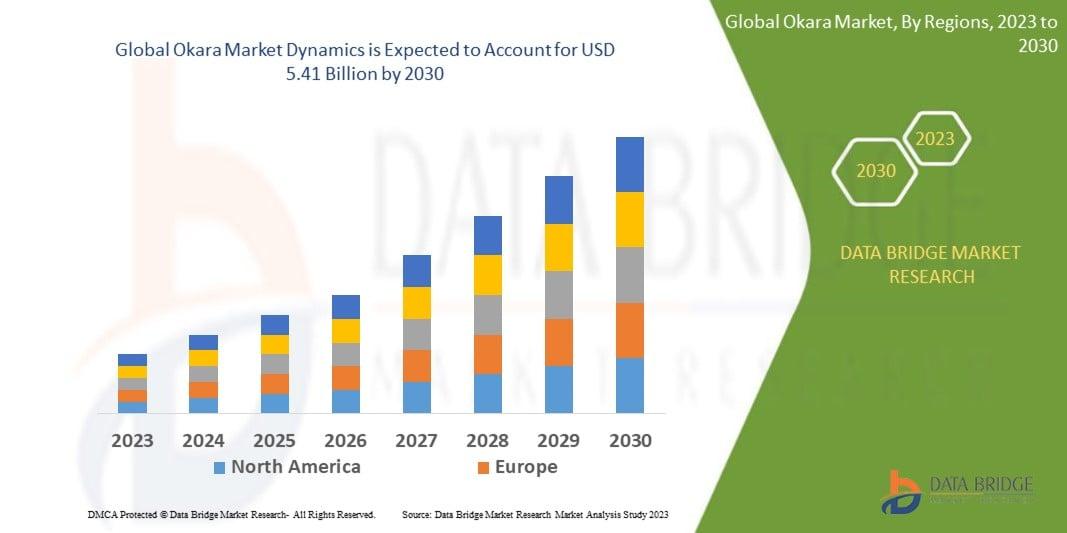
" According to the latest report published by Data Bridge Market Research, the Okara Market CAGR Value Data Bridge Market Research analyses that the okara market is expected to reach USD 5.41 billion by 2030, which is USD 3.72 billion in 2022, registering a CAGR of 4.80% during the forecast period of 2023 to 2030. Today’s businesses are more inclined towards the market research...
Starting the Year with a Spiritual Journey The beginning of a new year brings opportunities for reflection, renewal, and spiritual growth. For many Muslims, performing Umrah during this time is a meaningful way to start the year with blessings and devotion. The sacred pilgrimage to Makkah and Madinah offers peace, forgiveness, and a chance to strengthen faith. Experience Umrah provides...

We all have days when energy feels low. But when fatigue becomes persistent when even a full night’s sleep doesn’t seem to help it may be worth looking at nutrition more closely. Iron and B vitamins, particularly vitamin B12, vitamin B6, and folic acid, play central roles in how the body produces energy. When levels drop too low, symptoms like tiredness, weakness, and difficulty...

According to a new report from Intel Market Research, the global Microwave Chemical Reactor Market was valued at USD 689 million in 2024 and is projected to grow from USD 715 million in 2025 to USD 880 million by 2032, exhibiting a steady CAGR of 3.8% during the forecast period. Growth is driven by increasing R&D investments in pharmaceutical and chemical industries, the shift toward...
