


Understanding the Connection Between Humans and Animals
Many people believe it is possible to talk with animals by paying close attention to their behavior, emotions, and body language. While animals do not communicate using human language, they express themselves in many meaningful ways. Learning to recognize these signals helps create stronger relationships, improves trust, and allows people to better understand the needs of their animal companions.
Why Human-Animal Communication Matters
Communication is the foundation of every healthy relationship, including the one shared between humans and animals. Whether someone owns a dog, cat, horse, bird, or another companion animal, understanding their natural behavior leads to better care and stronger emotional connections. Animals constantly communicate through movement, sounds, facial expressions, and daily routines.
Learning Through Observation
Observation is one of the most valuable skills when interacting with animals. Watching how an animal responds to different situations can reveal its comfort level, emotions, and physical condition. Small behavioral changes often provide early signs that an animal needs attention or additional care.
Understanding Body Language
Animals communicate far more through body language than through vocal sounds. Tail movements, ear positions, posture, eye contact, and movement patterns all provide important clues. Learning to interpret these signals helps reduce misunderstandings and encourages more positive interactions.
Building Trust Over Time
Trust cannot be forced. Animals develop confidence through patience, consistency, and kindness. Spending quality time together, maintaining predictable routines, and respecting an animal's comfort zone all contribute to stronger relationships. Trust creates an environment where communication becomes much easier.
The Importance of Positive Reinforcement
Positive reinforcement encourages animals to repeat desirable behaviors. Rewarding good behavior with praise, treats, or affection builds confidence while creating enjoyable learning experiences. This approach strengthens communication and promotes mutual respect between humans and animals.
Supporting Emotional Wellbeing
Animals experience a variety of emotions, including excitement, fear, curiosity, and affection. Providing a safe environment, regular interaction, and proper care helps support their emotional health. Happy animals are generally more relaxed and communicate more openly with the people around them.
Daily Care Improves Communication
Good communication begins with responsible care. Proper nutrition, clean living spaces, regular exercise, and routine veterinary checkups all contribute to an animal's overall wellbeing. Healthy animals are more active, responsive, and comfortable expressing their natural behaviors.
Recognizing Individual Personalities
Every animal has a unique personality. Some are naturally outgoing and social, while others may be cautious or independent. Understanding these individual differences allows owners to build stronger relationships based on patience and respect rather than unrealistic expectations.
Common Communication Mistakes
Many people unintentionally misunderstand animal behavior by comparing it directly to human emotions. Animals respond according to instinct, experience, and environment. Learning about species-specific behavior helps owners avoid common mistakes and respond more appropriately in different situations.
Creating a Positive Environment
A calm and secure environment encourages animals to feel safe. Providing mental stimulation, opportunities for play, and consistent daily routines reduces stress and improves overall wellbeing. Comfortable animals are often more willing to interact and communicate with their caregivers.
The Value of Continuous Learning
Understanding animals is an ongoing journey. Every interaction provides new opportunities to observe behavior, improve communication, and strengthen relationships. Reading educational resources and learning from experienced professionals helps owners become more confident in caring for their companions.
Conclusion
Developing a meaningful relationship with animals requires patience, observation, compassion, and continuous learning. By understanding their unique ways of communicating, people can create stronger bonds that benefit both humans and animals. For those seeking deeper knowledge and professional guidance, consulting an experienced animal expert can provide valuable insights that improve communication, strengthen trust, and support the long-term wellbeing of every animal companion.
الأقسام
إقرأ المزيد
Buy Deskar inserts for high-precision CNC machining. Durable, reliable cutting performance for milling and turning applications. Deskar Inserts for Precision CNC Machining Applications Deskar inserts are widely recognized in the global machining industry for their consistency, durability, and cost-effective performance. Designed to meet the...

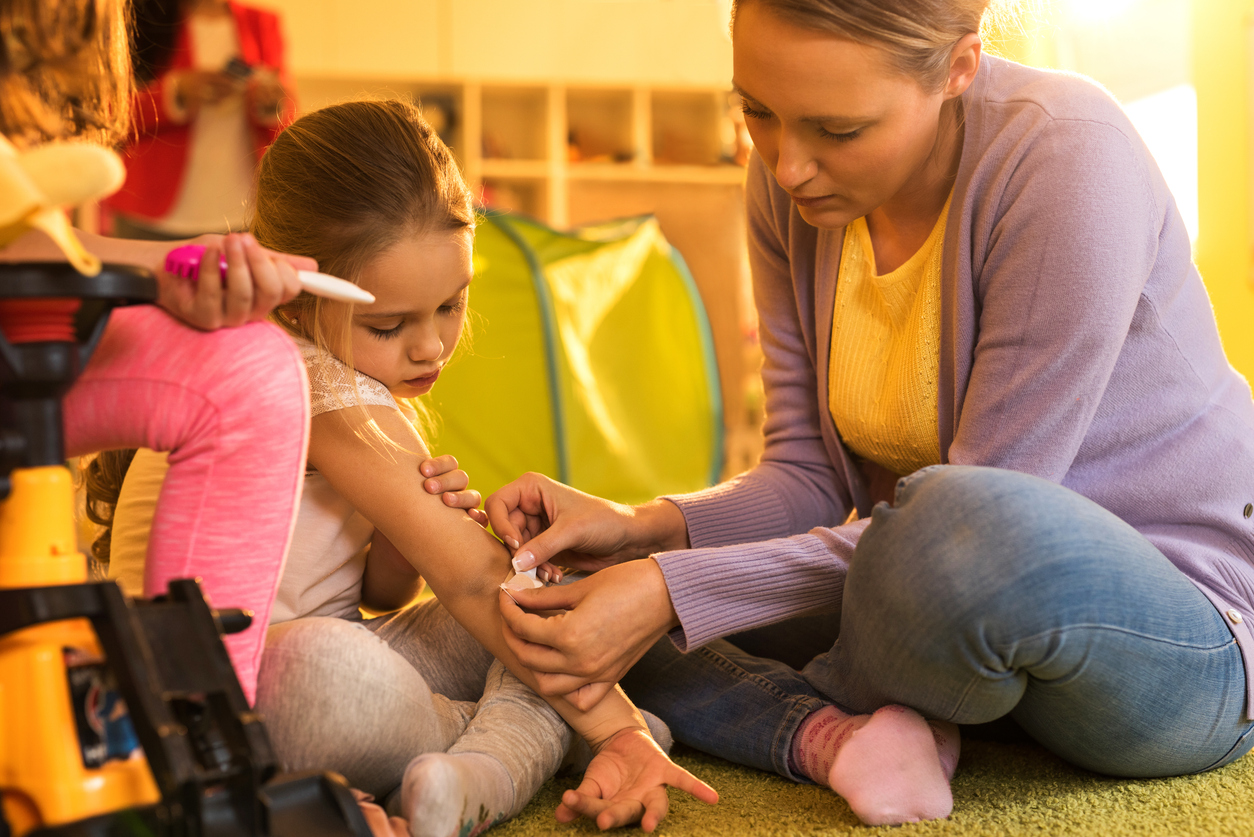
Leaving a child at daycare is an act of trust. Parents rely on caregivers to provide a safe, nurturing environment while they are at work, school, or handling daily responsibilities. Unfortunately, accidents and injuries can happen, even in the most well-regarded facilities. When a child is hurt under someone else’s care, the experience can be frightening and confusing for both the child...
" According to the latest report published by Data Bridge Market Research, the Indoor Air Purification Market Data Bridge Market Research analyses that the indoor air purification market is expected to reach a value of USD 34,632.87 million by 2029, at a CAGR of 7.9% during the forecast period. The solution segment accounts for the largest offering segment in the air purification...
Echozen is a natural hearing support supplement designed to help individuals manage the common symptoms of tinnitus, often experienced as ringing, buzzing, or hissing sounds in the ears. These sensations can arise due to factors such as aging, prolonged noise exposure, or disruptions in the connection between the brain and the inner ear. Echozen works by supporting healthy auditory function and...

Teenagers use communication skills every day in the classroom, at home, and with friends. Speaking clearly and understanding others helps them succeed academically, develop meaningful relationships, and prepare for adulthood. When communication challenges create obstacles, speech therapy for teens offers personalized support that helps adolescents communicate with greater confidence. Why...
