


Why Is Uniform Sand Gradation Critical for Golf Course Maintenance?

Let us be honest for a second... most people never think about the sand on a golf course. It just looks... well, like sand. But when someone starts searching for golf course sand near me in Los Angeles, they are already one step deeper into how much this actually matters. Because not all sand behaves the same. Not even close.
It Is Not Just About Looks... It Is About How It Plays
We have all seen bunkers that feel perfect... soft but firm enough to play a clean shot. And then there are those frustrating ones. Too fluffy. Too hard. Ball plugs weirdly. Or skips.
That difference? It often comes down to sand gradation.
Uniform sand gradation simply means the sand particles are mostly similar in size. Not a random mix of fine dust and chunky grains thrown together.
And yeah, it sounds small. But on a golf course... small things decide everything.
When Sand Is All Over the Place... Problems Start
Imagine mixing sugar and small pebbles together. Weird combo, right? That is what poorly graded sand feels like.
When sand has mixed particle sizes:
-
Fine particles settle down and clog space
-
Water does not drain properly
-
Surface becomes inconsistent
One day it feels soft. Next day, compact and crusty. Groundskeepers hate it. Players notice it immediately.
Uniform sand keeps things predictable. And in golf, predictability is kind of the whole game.
Drainage... The Silent Hero
Here is where things get real.
Golf courses deal with water all the time. Irrigation, rain, morning dew... it all adds up. If sand cannot drain well, bunkers turn into mini puddles. Or worse... they stay damp underneath and dry on top. That awkward, sticky layer? Yeah, we have all hit from that.
Uniform sand allows water to pass through evenly. No clogging. No weird patches.
It just drains. Simple as that.
Maintenance Gets Way Easier... And Cheaper
This part is often overlooked.
When sand is uneven, maintenance becomes a constant battle. Crews have to:
-
Rake more often
-
Replace sand more frequently
-
Fix drainage issues again and again
With uniform gradation, things stay stable longer. Less fixing. Less stress. Less money spent.
And honestly... no one enjoys reworking the same bunker every week.
Consistency Builds Trust
Golfers might not say it out loud, but they feel it.
When every bunker behaves the same, players adjust quickly. They trust the surface. Shots feel fair. Even mistakes feel... fair.
But when sand varies from one bunker to another? Frustration builds fast.
Consistency is not just a technical thing. It is emotional too.
The Local Angle Matters More Than You Think
Now let us bring it back to real life.
If someone is searching for golf course sand near me in Los Angeles, they are not just looking for any sand. Climate matters. Usage matters. Even local soil conditions matter.
Los Angeles courses deal with dry conditions, heavy use, and occasional sudden rain. That mix demands sand that drains well and holds structure.
Uniform gradation helps handle all of that without constant breakdown.
So yeah... location changes the game a bit.
It Is One of Those Details You Cannot Ignore
FAQs
1. What does uniform sand gradation actually mean?
It means the sand particles are mostly the same size. This helps create a stable, consistent surface without unexpected behavior.
2. Why is uneven sand bad for golf bunkers?
Because it leads to poor drainage, inconsistent firmness, and unpredictable ball movement. It just makes play harder... in a bad way.
3. Does uniform sand help with drainage?
Yes, a lot. When particles are similar in size, water flows through more evenly without getting trapped.
4. Is uniform sand more expensive?
Sometimes upfront, yes. But it usually saves money over time because maintenance is lower and replacements are less frequent.
5. How do you choose the right sand locally?
It depends on climate and usage. For example, people searching for golf course sand near me in Los Angeles should look for sand that handles dry conditions while still draining well after watering or rain.
Catégories
Lire la suite
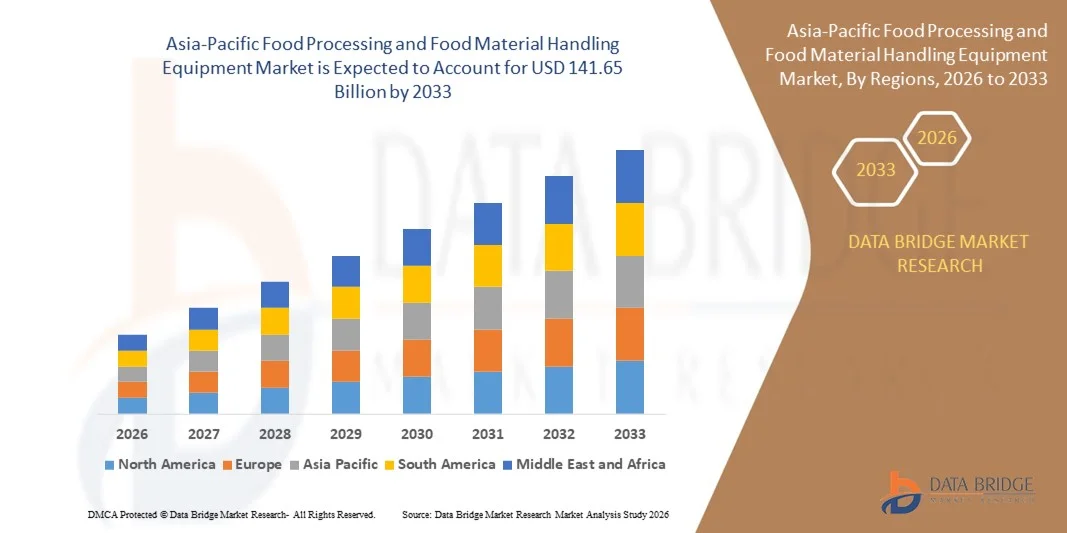
"According to the latest report published by Data Bridge Market Research, the Asia-Pacific Food Processing and Food Material Handling Equipment Market The Asia-Pacific food processing and food material handling equipment market size was valued at USD 78.25 billion in 2025 and is expected to reach USD 141.65 billion by 2033, at a CAGR of 7.70% during the...
Traveling in Austin TX demands comfort, reliability, and professionalism. Black car service Austin delivers a premium transportation experience designed for business leaders, frequent flyers, and VIP travelers. Whether you need airport transfers, executive travel, or private event transportation, professional black car service ensures every ride is smooth and stress free. At Quick Austin Limo,...

According to the latest report published by Data Bridge Market Research, the Europe Lymphedema Treatment Market The Europe lymphedema treatment market was valued at USD 335.74 million in 2025 and is projected to reach USD 617.70 million by 2033, growing at a CAGR of 9.10% from 2026 to 2033. The market is witnessing steady growth driven by the rising prevalence of...

In today’s competitive market, finding the right employees quickly is essential for business success. Staffing Services Bangalore help companies connect with skilled professionals across industries such as IT, healthcare, finance, and customer support. With Bangalore being a major technology and business hub, organizations rely on professional staffing agencies to simplify...
Mit der Fähigkeit „Dschungelherrschaft“ verdoppelt Serpiroyal aus der Erweiterung Mysteriöse Insel jede an deine Pflanzen-Pokémon angelegte Pflanzen-Energie. Dieses Deck nutzt diese Energiewirtschaft, um mit Skaraborn, Mega-Skaraborn-ex und Türkisgrüne-Maske-Ogerpon-ex frühen Druck aufzubauen und mit einem starken Finisher zu enden. Hinweis: Dieser...
