Step-by-Step Guide to Getting an ISI Mark Certificate in India.
Introduction
The demand for certified, high-quality products in India has skyrocketed in recent years. Whether it’s an electrical appliance, building material, or household item, buyers are far more confident when they see the ISI Mark Certificate. For manufacturers, this certificate is more than a legal necessity—it’s a powerful trust-building tool. This article breaks down the process of obtaining the ISI Mark Certificate in India.
What is an ISI Mark Certificate?
An ISI Mark Certificate is an official document issued by the Bureau of Indian Standards (BIS) that allows a manufacturer to use the ISI Mark on their products. It signifies compliance with Indian Standards and ensures that goods are safe, reliable, and of high quality.
Step 1: Identify Applicable Standards
The first step is determining which Indian Standard Specification (ISS) applies to your product. Each product category has its own guidelines and requirements.
Step 2: Application Submission
Manufacturers must complete the prescribed form and submit documents such as:
· Factory license
· Product test reports
· Quality control details
· Process flowcharts
Step 3: Factory Setup and In-House Testing
Before BIS inspection, the factory should have in-house testing labs, qualified staff, and proper machinery.
Step 4: Product Testing in BIS-Approved Labs
Samples are tested in BIS-recognized laboratories to ensure compliance with Indian Standards.
Step 5: Factory Inspection
BIS officials visit the factory to review production processes, testing facilities, and quality control mechanisms.
Step 6: Grant of ISI Mark License
If everything meets BIS standards, the manufacturer is granted the ISI Mark License, officially authorizing the use of the ISI symbol on products.
Why It Matters
· Builds consumer trust
· Ensures legal compliance
· Opens export opportunities
· Reduces liability and risk
Conclusion
The ISI Mark Certificate is not just a piece of paper—it’s a long-term investment in credibility, safety, and market access. Manufacturers who follow the proper process gain not only a license but also the trust of millions of Indian consumers.
Categorias
Leia mais
Soulmask is celebrating summer with a limited-time sale that kicks off Thursday, June 11th and runs for 14 full days. If the timing doesn’t work for you, don’t worry—the same discounts will carry over into the Steam Summer Sale, so you won’t miss out. Sale Deals Worth Grabbing The base game is slashed by 20%, and the Shifting Sands DLC hits a new historical low at 10%...

The term slot online is widely used to describe digital entertainment systems that simulate the mechanics of traditional slot machines in an online environment. Over the past two decades, these systems have evolved from simple mechanical simulations into complex digital experiences that incorporate interactive design, animations, sound effects, and user-centered interface features. Although...

تُعد الصيانة الوقائية لمصانع الأعلاف من أهم الاستراتيجيات التي تساعد على تحسين كفاءة التشغيل وتقليل النفقات غير المتوقعة. فالمصانع التي تعتمد على التشغيل المستمر لخطوط الإنتاج تحتاج إلى الحفاظ على جاهزية المعدات بشكل دائم، لأن أي توقف مفاجئ في إحدى مراحل التصنيع قد يؤدي إلى خسائر كبيرة نتيجة توقف الإنتاج وتأخر عمليات التوريد. وتعتمد الصيانة الوقائية على إجراء عمليات الفحص والتنظيف والتشحيم...

The global splicing tapes industry is experiencing stable growth as manufacturers across packaging, printing, electronics, and converting industries increasingly invest in high-performance adhesive technologies to enhance productivity and reduce operational interruptions. Rising demand for high-speed manufacturing, specialty adhesives, efficient roll-to-roll production processes, and automated...
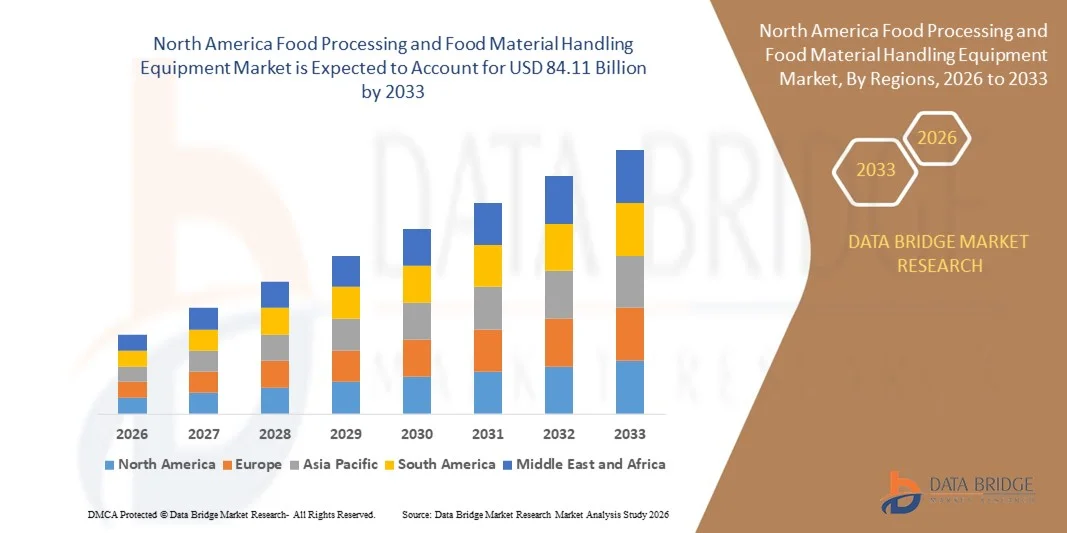
"According to the latest report published by Data Bridge Market Research, the North America Food Processing and Food Material Handling Equipment Market The North America food processing and food material handling equipment market size was valued at USD 51.20 billion in 2025 and is expected to reach USD 84.11 billion by 2033, at a CAGR of 6.40% during the...