


Supply Chain News: Cold Chain Expansion Accelerates in Pharma and Food

Cold chain infrastructure is expanding at its fastest pace in a decade as pharmaceutical manufacturers, biologics producers, and food distributors race to secure temperature-controlled capacity. The latest supply chain news shows rising investment across refrigerated transport, high-density cold storage, and real-time visibility systems. With demand for temperature-sensitive goods rising and regulatory expectations tightening, the cold chain is becoming a strategic differentiator for operators across North America, Europe, and Asia.
Biologics and Specialty Pharma Drive a New Wave of Cold Chain Investment
The pharmaceutical sector is reshaping cold chain demand patterns.
Biologics, cell and gene therapies, specialty injectables, and mRNA-based treatments require precise temperature stability—often at deep-freeze conditions.
Recent supply chain news highlights rapid growth in:
-
Ultra-low-temperature storage (−70°C to −20°C)
-
Specialized packaging for last-mile pharma delivery
-
Redundant storage nodes near R&D and clinical hubs
-
High-compliance transport networks with validated temperature control
Pharma companies are expanding cold capacity not only to meet rising production needs but to reduce risk exposure after several high-profile spoilage events during transport disruptions.
Food Manufacturers and Grocers Expand Frozen and Chilled Capacity
Cold chain investments are accelerating across frozen foods, fresh produce, dairy, meat, and prepared meals. Demand spikes during 2024–2025 pushed networks past their limits, exposing gaps in capacity and reliability.
The latest supply chain news indicates:
-
New cold warehouses being added in major U.S. and European population centers
-
Automation inside cold environments to reduce labor requirements and improve throughput
-
More cross-docking of chilled goods to reduce dwell times and temperature variance
-
Energy-efficient refrigeration systems to reduce operating costs and meet ESG targets
Grocers are rebalancing inventories to support growth in e-commerce grocery fulfillment, which requires tighter temperature segmentation and rapid replenishment.
Cold Chain Real Estate Becomes a Hot Investment Category
Cold storage vacancy rates remain among the lowest in industrial real estate, and developers are racing to build capacity.
Recent supply chain news trends include:
-
High-density, multi-story cold warehouses in dense urban markets
-
Retrofits of traditional DCs into hybrid ambient–chilled facilities
-
Increased demand from 3PLs seeking to expand temperature-controlled networks
-
Large commitments from private equity and infrastructure funds
High entry costs, complex engineering requirements, and strong tenant demand are making cold chain real estate one of the most resilient logistics asset classes.
Refrigerated Transport Networks Tighten Ahead of Peak Seasons
Temperature-controlled freight capacity is tightening across trucking, maritime, and air cargo. The combination of rising food demand, complex pharma flows, and new regulatory requirements is pushing reefer networks toward constraint.
According to the latest supply chain news:
-
Reefer trucking demand is outpacing available equipment
-
Ocean carriers are increasing refrigerated container fleets but struggling with regional imbalances
-
Airfreight demand is rising for high-value pharma shipments
-
Cross-border regulations are adding compliance steps for temperature-sensitive goods
For shippers, this means earlier bookings, higher surcharges, and increased use of multimodal routing.
Automation Gains Ground Inside Cold Storage Facilities
Robotics is becoming a key enabler of cold chain efficiency, relieving labor constraints and improving accuracy in environments where human work is physically demanding.
Trends highlighted in supply chain news include:
-
Automated pallet handling for frozen and chilled SKUs
-
Temperature-resistant AMRs for picking and replenishment
-
Automated layer picking and depalletizing for beverage and frozen goods
-
Shuttle-based AS/RS for high-density deep-freeze storage
Automation reduces pick times, expands storage capacity, and supports 24/7 fulfillment without the safety risks associated with prolonged cold exposure.
Visibility and Sensor Technology Strengthen Compliance
Temperature excursions remain one of the most costly risks in pharma and food logistics. This is driving rapid adoption of IoT sensors, real-time visibility platforms, and automated alert systems.
Recent supply chain news shows:
-
End-to-end temperature monitoring embedded in packaging, pallets, and containers
-
Automated exception alerts for route deviations, door openings, or temperature drift
-
Cloud-based visibility dashboards for QA, logistics, and regulatory teams
-
Digital audit trails used to accelerate investigations and meet compliance requirements
For companies facing strict FDA, EMA, and global food safety rules, real-time data is becoming essential—not optional.
Energy Costs and Sustainability Pressures Influence Network Design
Cold storage is among the most energy-intensive parts of the supply chain. As electricity prices rise across Europe and parts of North America, operators are redesigning networks to reduce energy intensity and carbon footprint.
According to the latest supply chain news, companies are investing in:
-
Solar-integrated cold warehouses
-
Energy-efficient refrigeration and HVAC systems
-
Heat-recovery technologies
-
Demand-response and time-of-use energy optimization
Sustainability requirements—such as Scope 1 and Scope 2 reporting—are reshaping how cold chain networks are designed, built, and operated.
Cross-Border Regulations Create New Compliance Challenges
Pharma and food shipments face tightening regulatory controls across the EU, North America, and emerging markets.
Recent supply chain news highlights:
-
Stricter inspection protocols for meat, seafood, and produce
-
Enhanced documentation rules for pharmaceutical temperature records
-
Country-of-origin and cold treatment verification for certain food imports
-
Digital traceability requirements for both sectors
Compliance failures now carry higher penalties and operational consequences, prompting companies to build more robust documentation and monitoring systems.
Strategic Takeaways for Cold Chain Operators and Shippers
As demand accelerates, several priorities are emerging:
-
Invest in automated and energy-efficient cold storage
-
Expand temperature-segmented distribution networks
-
Partner with reefer trucking, air, and ocean carriers early in the season
-
Strengthen end-to-end temperature monitoring and audit trails
-
Build redundancy for critical pharmaceutical and frozen-food flows
-
Use predictive analytics to anticipate capacity constraints and inventory needs
Cold chain networks are becoming more complex—and more essential.
Conclusion: Cold Chain Capacity Becomes a Strategic Advantage
The latest supply chain news confirms the cold chain is expanding rapidly in response to pharma innovation, evolving food consumption patterns, and rising regulatory scrutiny. In 2025, companies that invest in resilient, tech-enabled temperature-controlled networks will have a meaningful operational edge, from product quality to compliance to customer service. As demand and complexity continue to rise, cold chain capacity is no longer a specialized niche—it is a strategic asset in the global supply chain.
Categorias
Leia mais
London Set Abuzz as Star-Studded Cast Joins Ritchie's Latest Thriller Excitement builds in London as production commences on the highly anticipated action-thriller from acclaimed director Guy Ritchie. The film, titled "Viva La Madness," has assembled an impressive ensemble to join previously announced lead Jason Statham. Among the confirmed cast are familiar faces from Ritchie's previous...

The latest report titled "Global Microscopy Market Share and Ranking, Overall Sales and Demand Forecast 2026-2033" is brought to you by Exactitude Consultancy, a well-respected name in the world of market research. This comprehensive analysis dives deep into the global Microscopy market, covering everything from market size and share to demand trends and the current state of the...

The digital landscape in 2025 is all about efficiency, smart integration, and personalized accessibility — and AllPanelExch has quickly established itself as a platform that embodies these principles. Built with a focus on performance, adaptability, and user-centric design, AllPanelExch delivers a unified experience across devices, allowing users to manage their accounts,...

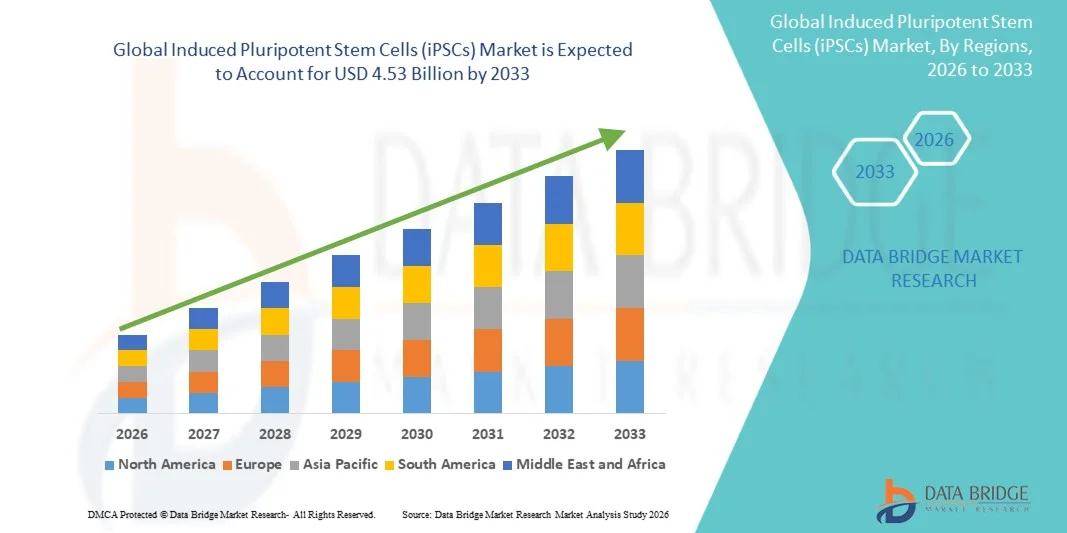
" Induced Pluripotent Stem Cells (iPSCs) Market Summary: According to the latest report published by Data Bridge Market Research, the Induced Pluripotent Stem Cells (iPSCs) Market The global induced pluripotent stem cells (iPSCs) market size was valued at USD 2.13 billion in 2025 and is expected to reach USD 4.53 billion by 2033, at a CAGR of...
Executive Summary Hoses Market Size and Share Across Top Segments The global hoses market size was valued at USD 25.23 billion in 2024 and is expected to reach USD 40.52 billion by 2032, at a CAGR of 6.10% during the forecast period. Hoses is a detailed research report that serves many purposes and gives the business a competitive advantage. To stand...