How Does Ketamine Therapy Help Cure Depression?

Introduction
Depression can be like a thick fog that refuses to lift, no matter how many antidepressants or how much talk therapy one is prescribed. Many travel down frustrating paths for years in pursuit of relief. Recently, ketamine therapy has brought new hope to those who have not found success with more traditional approaches. Once an anesthetic, ketamine offers rapid and remarkable improvements in controlled clinical settings to people plagued by treatment-resistant depression, thus taking up a growing place in mental health care and offering new hope and a sense of possibility for people who have felt stuck for far too long.
Major Advantages
One of the major advantages that come along with ketamine therapy is its rapidity. Most of the more traditional antidepressants take weeks before a person starts to feel their benefits, and even then, progress usually comes gradually. Ketamine works differently: in many patients, the effect can be felt in hours or days. That can be life-changing, particularly in the case of suicidal ideation or other severe symptoms of depression. Knowing that relief might come quickly provides a crucial sense of safety and reassurance during dark times.
Another way in which ketamine is different from any other treatment is its mechanism of action. Most antidepressants act on serotonin or neurotransmitters similar to it. In contrast, ketamine acts via a completely different system: the glutamate receptors in the brain. It serves to kick-start something called synaptic plasticity, basically encouraging the brain to make new connections. These new neural pathways can allow for much healthier mood regulation and emotional resiliency in those people experiencing depression. This biological "reset" is one reason ketamine therapy is considered groundbreaking in cases where other medications just haven't worked.
Other advantages are that psychotherapy is usually given along with the medicine, and every session is led by professional clinicians. Sometimes, psychotherapy can also be given in addition to the ketamine medication. This would cover both the action of the medicine and therapeutic support to process the emotions, reframe negative thought patterns, and work out new coping mechanisms. With the help of ketamine, this flexible state of mind may allow a patient to break through mentally when faced with barriers he or she previously had not been able to surmount. The combination of chemistry and counseling offers a multidimensional approach for a person in combating depression.
For those suffering from chronic depressive episodes, ketamine might bring long-term improvement through ongoing maintenance sessions. Although a few have gained great relief in as few as a number of treatments, most are able to use periodic follow-ups to maintain their progress. The reinforcing nature of these sessions cements positive effects and makes it less likely to revert back into old patterns. What is most promising, especially, is that these improvements don't just relate to mood; the patients often report feeling more motivated, more connected, and more engaged in daily life.
Another major advantage of ketamine therapy is its versatility: besides major depressive disorder, it has also benefited people with bipolar depression, PTSD, and certain types of anxiety. That wider impact makes ketamine supportive in various mental health challenges, not just one diagnosis. For those who have tried several medications or therapies and experienced very little benefit, having an extra option can be quite powerful. Like any medical therapy, ketamine therapy is no panacea. It is professionally administered in a controlled environment-through either IV infusions, injections, or nasal sprays-and not everyone reacts to it precisely the same. Some may experience nausea or dizziness, but these usually are short-lived and managed by the clinical staff.
Under supervised conditions, the overall safety record for ketamine therapy has been strong, with clinicians carefully taking steps to make each session comfortable and closely monitored. The hope in ketamine therapy goes much further than symptom relief. Many describe feeling as though they'd regained a sense of clarity or emotional openness that had been absent for years. They reconnect with friends, take up old hobbies, and make progress in other treatments because they now feel more mentally capable. That ripple effect is perhaps the most meaningful from this therapy. This can lead to broader positive changes in well-being once a person even starts to feel the tiniest spark of improvement.
There's also something to be said about the mindset shift that ketamine therapy encourages: for many patients, depression creates a narrow sense of what's possible. The rapid and sometimes profound effects of ketamine can open a window and show people that things don't have to stay the same forever. That sense of possibility can be as powerful as the chemical changes taking place in the brain. It is a reminder that healing does not always happen in an-linear or predictable way-and that when it is most needed, something new can spark change.
Conclusion
Slowly, the idea of ketamine therapy is gaining recognition with growing awareness as a legitimate evidence-backed option and not a fringe treatment. Research is ongoing, with expanding clinical guidelines laid out to ensure safety and effectiveness. For people who have not found relief with traditional antidepressants, or who need quicker support during a crisis, ketamine therapy is becoming an important part of the mental health conversation. Fundamentally, the advantages of ketamine therapy lie in the fact that it may offer hope where it has been hard to find. Its fast-acting nature and unique biological effects make it a meaningful option for people struggling to live with depression. Though it is not intended for everyone, it does offer another direction forward-and in the world of mental health, options often make all the difference.
Κατηγορίες
Διαβάζω περισσότερα
According to the latest report published by Data Bridge Market Research, the Europe Arthroscopy Devices Market CAGR Value The Europe Arthroscopy Devices Marketdocument identifies and analyses the emerging trends along with major drivers, challenges and opportunities in the market. This Europe Arthroscopy Devices Market report performs comprehensive analysis of profiles of...

"Global Demand Outlook for Executive Summary Umami Flavours Market Size and Share The global umami flavours market size was valued at USD 1.16 billion in 2024 and is projected to reach USD 1.95 billion by 2032, with a CAGR of 6.70% during the forecast period of 2025 to 2032.Global Umami Flavours Market report is a highly visual business report where the key market research findings...
As Bangalore continues to evolve as a global healthcare and technology hub in 2026, the landscape of cardiac diagnostics has transformed significantly. For residents navigating the city’s busy corridors—from the tech parks of Whitefield to the established lanes of Jayanagar—selecting the right facility for a heart scan is no longer just about proximity. With the rise of...

" According to the latest report published by Data Bridge Market Research, the Medical Fiber Optics Market The global medical fiber optics market size was valued at USD 1.11 billion in 2024 and is expected to reach USD 1.85 billion by 2032, at a CAGR of 6.50% during the forecast period This client-centric, leading edge and truthful Medical Fiber Optics...
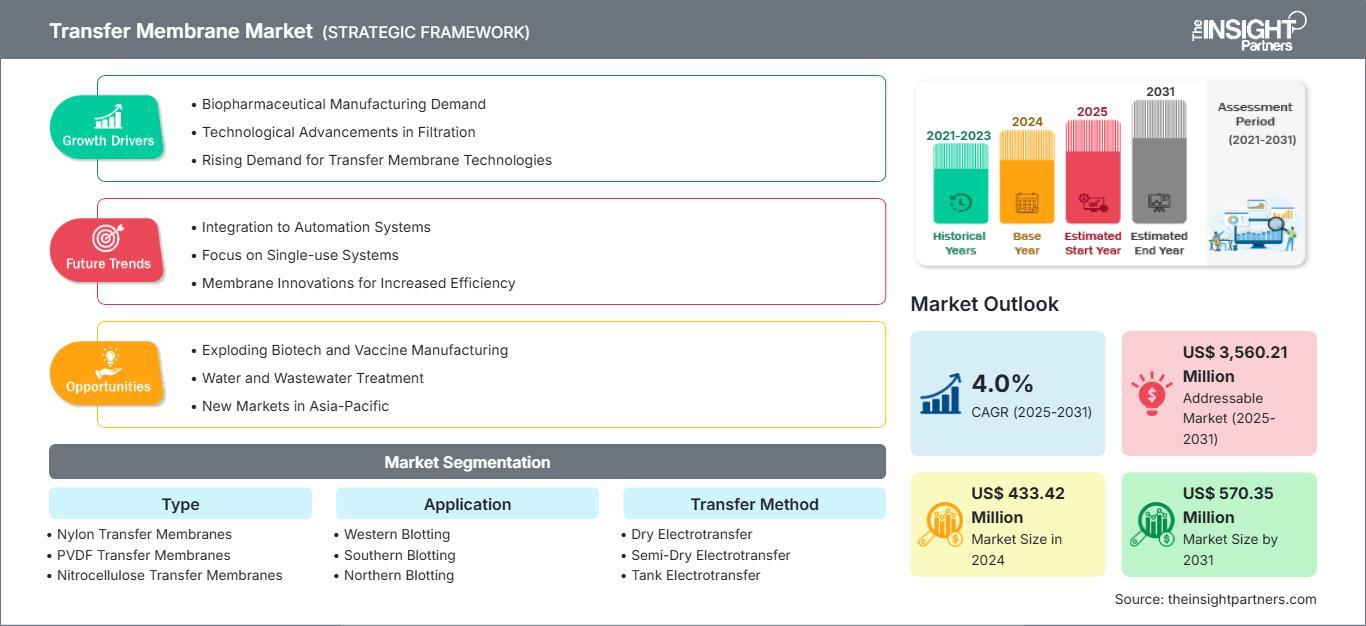
The biotechnology and life sciences sectors are currently undergoing a period of intense analytical refinement. Central to this evolution is the Transfer Membrane Market Analysis, which reveals a steady trajectory of growth as researchers prioritize accuracy in protein and nucleic acid identification. Transfer membranes, particularly those made of PVDF and nitrocellulose, are indispensable for...