


Text-based Video Editing: Smart AI Prompts for Better Results

Creating professional videos no longer requires advanced editing skills or expensive software. With the rise of artificial intelligence, text-based video editing has transformed the way creators, marketers, educators, and businesses produce engaging video content. Instead of manually trimming clips, adjusting timelines, or adding effects frame by frame, users can simply describe what they want using natural language. AI interprets these instructions and performs the editing automatically, saving both time and effort.
Whether you are producing promotional videos, educational tutorials, social media content, or product demonstrations, text-based editing makes the entire process faster and more accessible. If you're looking to explore practical AI prompt techniques, you can find useful insights at https://flonnect.com/blog/ai-prompt-for-video-editing/.
What Is Text-based Video Editing?
Text-based video editing is an AI-powered editing method where users provide written instructions instead of manually editing video clips. Rather than searching through timelines and adjusting every transition, you simply type commands such as:
- Remove awkward pauses.
- Add subtitles.
- Create a 30-second highlight.
- Insert background music.
- Zoom in during important moments.
- Add smooth transitions between scenes.
The AI understands these prompts and applies the requested edits automatically. This approach reduces editing complexity and allows creators to focus more on storytelling than technical editing.
Why AI Prompts Matter
The quality of your final video depends heavily on the quality of your prompts. A detailed prompt helps AI understand your creative goals and produce more accurate results.
Instead of writing:
Edit this video.
A better prompt would be:
Create a 45-second promotional video with smooth transitions, upbeat background music, subtitles, and a call-to-action at the end.
The more context you provide, the better the AI can deliver professional results.
Benefits of Text-Based Video Editing
Saves Significant Time
Traditional editing can take hours for even a short video. AI automates repetitive tasks like trimming, caption generation, scene selection, and transitions, reducing production time dramatically.
Easy for Beginners
People with no editing experience can still create polished videos by simply describing their ideas. There's no need to master complicated editing software before producing quality content.
Consistent Output
Businesses often need videos that follow consistent branding guidelines. AI prompts help maintain uniform editing styles, transitions, subtitles, and layouts across multiple projects.
Improves Productivity
Marketing teams, educators, and content creators can produce more videos in less time. This makes it easier to maintain regular publishing schedules across multiple platforms.
Examples of Smart AI Prompts
Here are several prompt examples that can improve editing quality:
Social Media Video
"Create a 30-second Instagram Reel with energetic transitions, bold captions, trending music, and a strong ending."
Educational Video
"Remove unnecessary pauses, highlight key points with text overlays, add subtitles, and keep a clean professional style."
Business Presentation
"Create a polished corporate presentation with smooth transitions, company colors, lower-third titles, and soft background music."
Product Showcase
"Focus on product close-ups, add feature callouts, include upbeat music, and finish with a purchase reminder."
These detailed prompts provide clear instructions that help AI generate better edits.
Best Practices for Writing AI Prompts
To achieve the best results, consider these recommendations:
- Clearly define your video's purpose.
- Specify the desired video length.
- Mention your target audience.
- Request subtitle styles if needed.
- Describe the editing pace.
- Include preferred transitions.
- Mention music style.
- Specify branding elements.
- Request specific aspect ratios.
- Add a clear ending or call-to-action.
The more descriptive your prompt, the closer the final video will match your expectations.
Common Use Cases
Text-based video editing works well across many industries.
Digital Marketing
Marketing teams quickly create advertisements, promotional videos, and campaign content without spending hours editing manually.
Education
Teachers can simplify lessons by removing mistakes, adding captions, highlighting important information, and creating concise learning materials.
Social Media
Influencers and creators produce engaging short-form videos optimized for platforms like Instagram, YouTube Shorts, and TikTok.
Business Communication
Organizations create training videos, onboarding materials, company announcements, and internal presentations more efficiently.
Product Demonstrations
Businesses showcase products using AI-generated edits that emphasize features, benefits, and customer value.
Tips to Get Better AI Editing Results
While AI handles much of the editing automatically, users can further improve results by following a few simple strategies:
- Record high-quality source footage.
- Use clear and specific prompts.
- Review AI-generated edits before publishing.
- Keep branding consistent.
- Update prompts based on previous results.
- Experiment with different editing styles.
- Refine prompts until the output matches your vision.
Continuous prompt improvement often leads to better-quality videos over time.
The Future of AI Video Editing
Artificial intelligence continues to evolve rapidly, making video production faster, smarter, and more accessible. Future AI editing tools are expected to better understand storytelling, emotional tone, visual composition, and audience preferences. Instead of simply following editing commands, AI may soon recommend improvements automatically, helping creators produce even more engaging videos.
As these technologies improve, text-based editing will likely become a standard workflow for businesses, marketers, educators, and content creators worldwide.
Conclusion
Text-based video editing has simplified content creation by replacing complex editing workflows with simple written instructions. Smart AI prompts help generate cleaner edits, faster production times, and more professional results while reducing the learning curve for beginners. Whether you're creating marketing campaigns, educational lessons, product demonstrations, or social media videos, using detailed prompts allows AI to produce higher-quality content efficiently.
For additional ideas, examples, and guidance on creating effective AI prompts for video editing, explore this helpful reference:
الأقسام
إقرأ المزيد
The global food allergen testing market size reached USD 760.7 Million in 2022 and is expected to register a rapid revenue CAGR of 6.9% during the forecast period. Rising allergic reactions among consumers is a key factor driving market revenue growth. Food allergies develop when the immune system overreacts to normally harmless foods and can cause stomachache, diarrhea, dizziness, asthma,...

To truly master the battlefield in Call of Duty Mobile, diversifying your tactical arsenal is key. Among the powerful Operator Skills available, the Katana offers a thrilling melee-centric playstyle. This skill was introduced during the vibrant Days of Summer event, which expanded the game's content significantly. Unlike standard firearms, it functions as an activated ability, similar to tools...
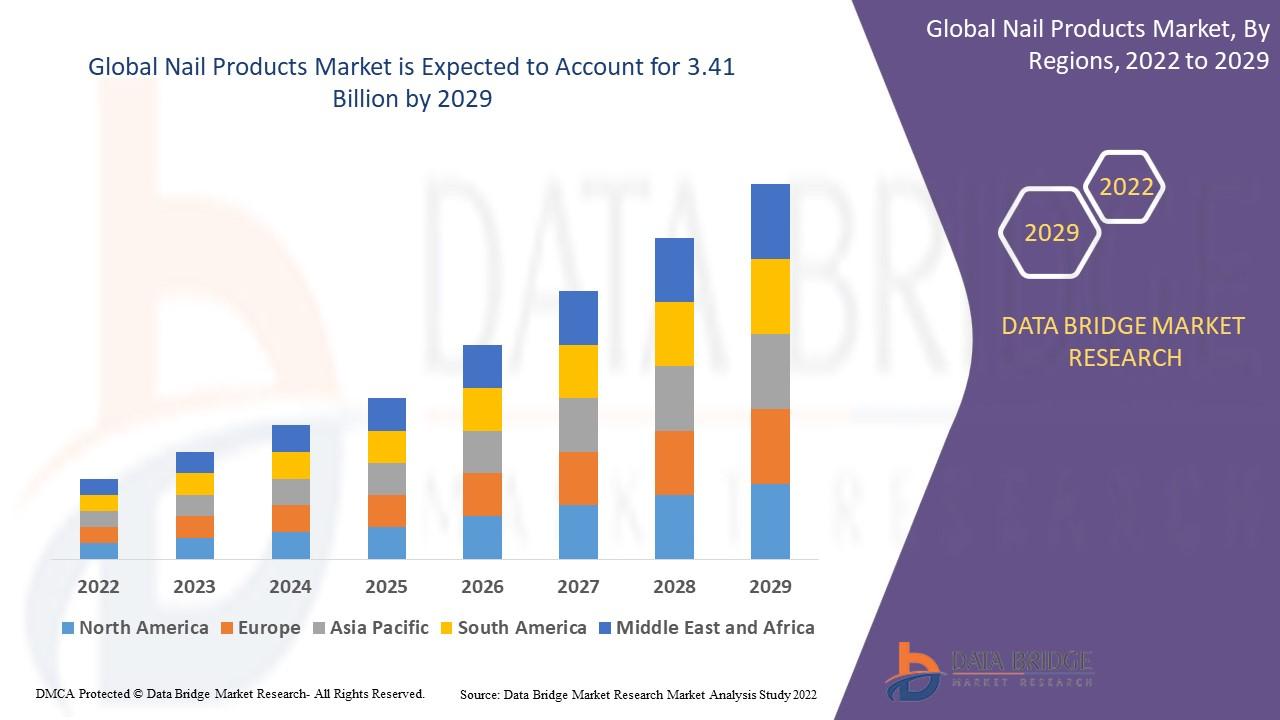
"Executive Summary Nail Products Market Size and Share Forecast Global nail products market size was valued at USD 2.74 billion in 2024 and is projected to reach USD 3.89 billion by 2032, with a CAGR of 4.50% during the forecast period of 2025 to 2032. Nail Products Market research report brings into focus the key market dynamics of the sector. The Nail Products Market study also...
"According to the latest report published by Data Bridge Market Research, the Aircraft Pushback Tugs Market The global aircraft pushback tugs market size was valued at USD 5.51 billion in 2025 and is expected to reach USD 8.46 billion by 2033, at a CAGR of 5.50% during the forecast period The supreme Aircraft Pushback Tugs Market research report has been...
“Exactitude Consultancy: Defining the Standards of Your Success” Access critical metrics regarding the non-woven adhesives market. Track how low-odor hot-melt polymer formulations elevate elastic attachment holding power in modern hygiene products. The global non-woven adhesives market is forecasted to appreciate from USD 3.1 Billion in 2026 to USD 4.4 Billion by 2033,...