Every business faces risks that can disrupt daily operations, damage assets, or impact employee and customer safety. Whether the threat comes from theft, unauthorized access, cyber-related physical breaches, vandalism, or natural emergencies, organizations need a structured way to identify vulnerabilities before they become costly incidents. This is where security threat risk assessment becomes an essential part of business continuity planning.
A well-planned security threat risk assessment helps organizations recognize potential risks, prioritize protective measures, and create practical response strategies. Instead of reacting after an incident occurs, businesses can prepare for disruptions while maintaining operational stability and protecting their reputation.
Why Security Threat Risk Assessment Matters for Business Continuity
Business continuity planning focuses on keeping critical operations running during unexpected events. However, an effective continuity plan begins with understanding the threats that could interrupt those operations.
A comprehensive security threat risk assessment evaluates facilities, people, physical assets, and operational processes to identify security gaps. The findings help businesses develop realistic continuity plans that address the most significant risks first.
Organizations across industries—including commercial offices, retail centers, construction sites, logistics facilities, healthcare institutions, and residential communities—benefit from regular security assessments because every environment presents unique challenges.
Identifying Risks Before They Become Business Disruptions
One of the greatest advantages of a professional security threat risk assessment is early risk identification. Security professionals examine the entire property and operational workflow to uncover vulnerabilities that may otherwise go unnoticed.
Physical Security Vulnerabilities
Assessments typically review:
- Building access points
- Perimeter security
- Visitor management procedures
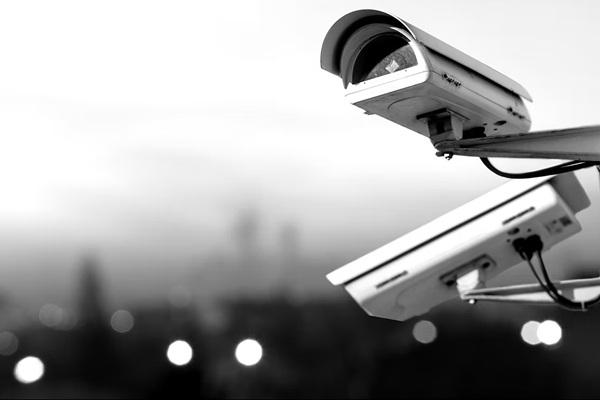
- CCTV coverage
- Security guard deployment
- Lighting around the premises
- Emergency exits
Small weaknesses in these areas can create opportunities for unauthorized access or criminal activity.
Operational Risk Assessment
Beyond physical infrastructure, specialists also evaluate daily operational procedures. This includes employee access permissions, contractor management, delivery processes, and emergency response protocols.
Reviewing these operational elements ensures security measures align with how the business actually functions.
Supporting Better Business Continuity Strategies
A business continuity plan should be practical rather than generic. Results from a security threat risk assessment provide valuable information that allows organizations to build realistic emergency procedures.
Prioritizing Critical Assets
Not every business asset carries the same level of importance. Security professionals help organizations identify:
- Critical operational areas
- High-value equipment
- Sensitive information storage
- Essential personnel
- Customer-facing services
Protecting these priorities allows companies to recover faster after an incident.
Strengthening Emergency Response
Risk assessments also improve emergency preparedness by identifying response gaps before an actual crisis occurs. Businesses can refine evacuation procedures, communication plans, incident reporting, and coordination with emergency services.
Employees become more confident when security procedures are clearly defined and regularly reviewed.
Continuous Improvement Through Regular Reviews
Business environments constantly evolve. New technology, facility expansions, staffing changes, and operational adjustments introduce new risks over time. Conducting regular security threat risk assessment reviews ensures business continuity plans remain relevant and effective as organizations grow.
Enhancing Overall Security Management
Business continuity depends on proactive security management rather than isolated protective measures. Professional security assessments often recommend improvements such as enhanced surveillance systems, stronger access control solutions, additional manned guarding, mobile patrols, and updated emergency procedures.
These recommendations create multiple layers of protection that reduce the likelihood of business interruptions while improving overall resilience.
Organizations that invest in routine assessments demonstrate a stronger commitment to protecting employees, visitors, clients, and business operations.
Long-Term Value for Every Organization
The value of a security threat risk assessment extends beyond preventing security incidents. It supports operational efficiency, regulatory compliance, risk reduction, and better decision-making for future investments.
Rather than relying on assumptions, businesses gain accurate information about existing vulnerabilities and practical recommendations for improvement. This structured approach helps management allocate security resources where they are needed most while strengthening long-term business continuity.
Building Confidence Through Professional Security Planning
When businesses understand their risks, they can respond with confidence instead of uncertainty. Professional assessments provide the foundation for stronger security strategies that protect operations during both everyday challenges and unexpected emergencies.
Organizations that integrate security threat risk assessment into their business continuity planning are better prepared to minimize disruptions, safeguard valuable assets, and maintain the trust of employees, customers, and stakeholders.
Partner with Experienced Security Professionals
If your organization wants to strengthen its business continuity strategy, PPS Consultancy LLC provides professional security threat risk assessment services designed to identify vulnerabilities, improve operational resilience, and support effective security planning. Working with experienced security specialists helps your business stay prepared, protected, and ready to respond confidently to evolving risks.