Gradient Yarn: A Complete Guide to Color Transitions, Uses, and Project Ideas
Color plays a significant role in knitting, crocheting, and other fiber arts, influencing the appearance and visual appeal of every finished project. Among the many options available to crafters, gradient yarn has gained popularity for its smooth and gradual color transitions. Instead of abrupt color changes, this type of yarn creates a seamless flow from one shade to another, producing elegant and eye-catching designs with minimal effort.
Whether used by beginners or experienced fiber artists, gradient yarn offers versatility across a wide range of creative projects. Understanding its characteristics, types, and best uses can help crafters choose the right yarn for their next handmade creation.
What Is Gradient Yarn?
Gradient yarn is a type of yarn designed with colors that transition gradually from one shade to another. These changes may occur within the same color family or move through multiple complementary or contrasting colors.
Unlike self-striping yarn, which changes colors in distinct sections, gradient yarn creates soft, blended transitions that give finished projects a more natural and artistic appearance.
Depending on the yarn construction, the gradient may occur over several yards or throughout the entire skein or cake, allowing color changes to unfold slowly as the project grows.
How Gradient Yarn Is Made
Manufacturers use several techniques to create gradient yarn.
Some yarns are dyed after spinning, allowing colors to blend naturally across long sections of fiber. Others achieve gradients by combining multiple strands of different colored fibers that are gradually added or removed during production.
The result is a smooth progression of colors without harsh dividing lines, making every project appear professionally designed.
Characteristics of Gradient Yarn
Several features distinguish gradient yarn from other color-changing yarns.
Smooth Color Changes
The defining characteristic of gradient yarn is its gradual shift between colors. The transitions are subtle rather than sudden, creating a flowing visual effect.
Long Color Sections
Most gradient yarns feature extended lengths of each shade before transitioning into the next, allowing patterns to develop naturally.
Versatile Color Palettes
Gradient yarn is available in countless color combinations, including:
- Monochromatic gradients
- Pastel blends
- Rainbow transitions
- Earth-tone combinations
- Sunset-inspired palettes
- Ocean-themed colors
- Seasonal shades
This variety makes it suitable for projects of every style.
Types of Gradient Yarn
Different types of gradient yarn are available to accommodate various crafting techniques and project requirements.
Single-Color Gradient
This style transitions from light to dark shades of the same color, creating depth and subtle texture.
Multi-Color Gradient
Multiple colors blend smoothly into one another, producing vibrant and dynamic visual effects.
Reverse Gradient
Some gradient yarns transition from dark to light and then back again, creating symmetrical color movement across the finished project.
Ombre Gradient
Often confused with traditional gradients, ombre yarn typically blends between two closely related shades, creating a gentle fading effect.
Common Fibers Used in Gradient Yarn
Gradient yarn is produced using many natural and synthetic fibers.
Popular choices include:
- Cotton
- Wool
- Acrylic
- Merino wool
- Alpaca
- Bamboo
- Silk blends
- Linen blends
Each fiber offers different levels of softness, durability, elasticity, and warmth.
Popular Uses for Gradient Yarn
The smooth color transitions make gradient yarn suitable for numerous knitting and crochet projects.
Shawls
Shawls are among the most popular projects because the gradual color changes become increasingly visible as the fabric expands.
Scarves
Long scarves naturally showcase color progression, allowing each transition to develop gradually across the length of the garment.
Blankets
Gradient yarn adds visual interest to blankets without requiring frequent yarn changes.
Sweaters
Pullovers and cardigans benefit from the artistic appearance created by flowing color transitions.
Hats
Even small accessories can display beautiful gradients, especially when paired with simple stitch patterns.
Cowls
Circular scarves highlight continuous color movement while maintaining a modern appearance.
Baby Items
Soft color transitions create delicate blankets, sweaters, and hats suitable for infants and young children.
Benefits of Using Gradient Yarn
Many crafters enjoy working with gradient yarn because it combines convenience with striking visual results.
Minimal Color Changes
Since the color transitions are built into the yarn, there is no need to join multiple skeins to achieve a gradient effect.
Professional Appearance
Even simple stitch patterns can appear more intricate because the gradual color shifts add depth and dimension.
Suitable for Beginners
New knitters and crocheters can create visually impressive projects without learning advanced colorwork techniques.
Endless Creative Possibilities
Gradient yarn works well with a variety of stitch patterns, from basic stockinette and garter stitch to textured crochet and lace designs.
Choosing the Right Gradient Yarn
Selecting the appropriate yarn depends on the intended project.
Important factors include:
Fiber Content
Natural fibers often provide warmth and breathability, while synthetic fibers may offer greater durability and easier care.
Weight
Gradient yarn is available in multiple yarn weights, including:
- Lace
- Fingering
- Sport
- DK
- Worsted
- Bulky
- Super bulky
The chosen weight should match the project’s pattern requirements.
Yardage
Projects with larger dimensions require sufficient yardage to allow the full gradient to develop naturally.
Color Transition Length
Some gradients change slowly across long sections, while others transition more frequently. The desired visual effect influences which option works best.
Tips for Working with Gradient Yarn
A few simple techniques can help maximize the beauty of gradient yarn.
- Select simple stitch patterns that allow the colors to remain the focal point.
- Avoid overly complex textures that may compete with the gradient effect.
- Purchase enough yarn from the same dye lot whenever possible.
- Review the project’s required yardage before beginning.
- Make a small swatch to observe how the gradient develops with the chosen stitch pattern.
Proper planning helps ensure the finished project displays the intended color progression.
Caring for Gradient Yarn Projects
The appropriate care method depends on the fiber used.
Many wool-based yarns require gentle hand washing, while some acrylic and cotton yarns may be machine washable.
Following the care instructions provided for the specific fiber helps preserve the yarn’s softness, shape, and vibrant color transitions over time.
Proper storage away from excessive moisture, direct sunlight, and pests also helps maintain handmade items for years.
Common Misconceptions About Gradient Yarn
Several misunderstandings exist regarding gradient yarn.
One common misconception is that it is difficult to use. In reality, many beginners find gradient yarn easier than working with multiple solid-colored skeins because the color changes occur automatically.
Another misconception is that gradient yarn is only suitable for advanced knitting or crochet projects. It can be used successfully in simple scarves, blankets, hats, and shawls, making it accessible to crafters of all skill levels.
Some also assume that every color-changing yarn is a gradient yarn. However, self-striping, variegated, and speckled yarns create different visual effects and are classified separately based on how the colors are distributed.
Final Thoughts
Gradient yarn offers an attractive way to incorporate smooth, flowing color transitions into knitting, crochet, and other fiber arts projects. Its gradual blending of shades creates visually striking results while reducing the need for manual color changes. Available in a wide variety of fibers, weights, and color palettes, gradient yarn can be used to make everything from scarves and shawls to blankets, sweaters, and accessories.
By understanding the different types, characteristics, and best practices for working with gradient yarn, crafters can confidently choose the right materials for their projects and enjoy creating handmade pieces with beautiful, seamless color progression.
Categorii
Citeste mai mult
オンラインカジノは、インターネット上でカジノゲームを楽しめるプラットフォームで、近年その人気が急速に高まっています。特に日本では、オンラインカジノでの遊び方が多くの人々に注目されており、オンラインカジノ ボーナス ゲームの種類や遊び方についての理解が進んでいます。その中でも、オンラインカジノを利用する上で欠かせないのが「ボーナス」です。ボーナスは、カジノの魅力を一層引き立てる特典であり、プレイヤーにとって非常に重要な役割を果たします。本記事では、オンラインカジノのボーナスについて詳しく解説し、どのように活用すれば最大限に利益を得られるのかを考察していきます。 1. オンラインカジノボーナスとは?...

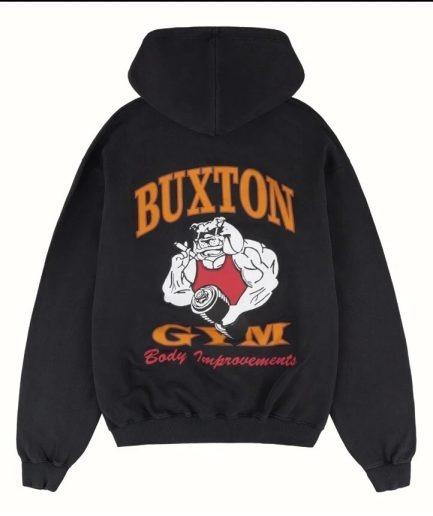
Introduction A Cole Buxton hoodie isn’t just another layer you throw on when it’s cold. It’s a statement piece disguised as a basic. Structured, heavyweight, and intentionally minimal, it carries that same athletic heritage and refined simplicity the brand is known for. The real magic? It works almost anywhere—if you style it right. You don’t need to overthink it....
Duct blockages really are a common issue that will affect the performance and efficiency of heating, ventilation, and air conditioning (HVAC) systems in both residential and commercial buildings. Air ducts are designed to distribute conditioned air within a property, ensuring consistent temperatures and adequate ventilation. When these ducts become obstructed by dust, debris, construction...

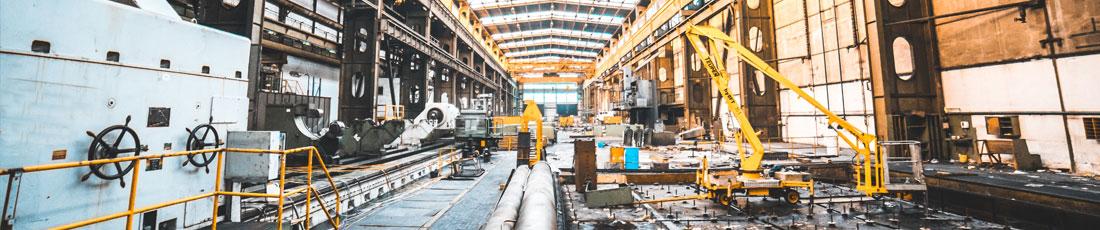
Der Ankauf von Gebrauchtmaschinen ist für Unternehmen eine effektive Möglichkeit, ungenutzte Anlagen wirtschaftlich zu verwerten und gleichzeitig Platz für neue Technologien zu schaffen. In vielen Industriebetrieben werden Maschinen regelmäßig modernisiert oder durch effizientere Modelle ersetzt. Alte Maschinen müssen jedoch nicht ungenutzt bleiben – durch...
Buying your first home is one of the most important financial decisions you will ever make. It represents independence, security, and a long-term investment in your future. However, entering the property market — especially in a competitive region like the Gold Coast — can feel overwhelming for first-time buyers working within a limited budget. Rising property prices, strong...