
Intraocular Lens Surgery: Benefits, Procedure, and Recovery
If cataracts are making your vision cloudy or blurry, intraocular lens surgery can help restore clearer sight. During this procedure, the eye's cloudy natural lens is removed and replaced with a clear artificial lens called an intraocular lens (IOL). The surgery is one of the most effective treatments for cataracts and can also reduce the need for glasses in many patients. Understanding how the procedure works can help you make an informed decision about your eye health.
What Is Intraocular Lens Surgery?
Intraocular lens surgery is most commonly performed during cataract surgery. As cataracts develop, the eye's natural lens becomes cloudy, making everyday activities such as reading, driving, and recognizing faces more difficult.
During the procedure, the cloudy lens is removed and replaced with a permanent artificial lens. The new lens allows light to focus properly on the retina, improving the quality of vision.
Who Is a Good Candidate?
Your ophthalmologist will perform a comprehensive eye examination to determine whether this procedure is right for you.
You may be a suitable candidate if you:
- Have cataracts affecting your daily activities
- Experience blurred or cloudy vision
- Notice increased glare or halos around lights
- Have difficulty reading or driving
- Want clearer vision with reduced dependence on glasses
The type of intraocular lens recommended will depend on your eye health, lifestyle, and visual goals.
Types of Intraocular Lenses
Several lens options are available, each designed to meet different vision needs.
Monofocal lenses provide clear vision at one distance, usually for far vision.
Multifocal lenses help improve vision at near, intermediate, and far distances, reducing the need for glasses for many daily activities.
Toric lenses are designed for patients with astigmatism and correct both cataracts and corneal irregularities.
Extended Depth of Focus (EDOF) lenses provide a continuous range of vision with fewer visual disturbances for suitable candidates.
Your ophthalmologist will recommend the most appropriate lens after evaluating your eyes and discussing your expectations.
What Happens During the Procedure?
The surgery is typically completed within 15 to 30 minutes and is performed using local anesthesia with numbing eye drops. A small incision is made in the eye to remove the cloudy lens, and the artificial intraocular lens is placed in its position.
The incision is usually so small that stitches are not required. Most patients return home on the same day.
Recovery After Intraocular Lens Surgery
Vision often begins to improve within a few days, although complete healing may take several weeks. Mild discomfort, watering, or sensitivity to light is normal during the early recovery period.
Your ophthalmologist will provide eye drops and aftercare instructions to support healing. Attending follow-up appointments is important to ensure the eye is recovering as expected.
Benefits of Intraocular Lens Surgery
For suitable candidates, intraocular lens surgery offers several long-term benefits:
- Clearer and sharper vision
- Improved quality of life
- Reduced dependence on glasses in many cases
- Long-lasting results
- Safe and highly successful treatment for cataracts
Choosing the right intraocular lens is an important part of achieving the best possible outcome. If cataracts are affecting your vision, an early eye examination can help determine the most suitable treatment option. Halil Hüseyin Çağatay provides comprehensive eye evaluations and personalized intraocular lens surgery plans to help patients achieve clearer, more comfortable vision.
Categorieën
Read More
India handles data for companies across the US, UK, Europe, and beyond. That volume comes with responsibility. As more customer data flows through outsourcing channels, governments are stepping in. India's DPDP Act 2026 is one such step. It puts real rules around how personal data gets collected, stored, and processed. DPDP compliant data entry outsourcing services in India is changing the...
Finding Value in Europe's Biggest Tournament The UEFA Champions League isn't just an elite sport -- it's an event that's full of strategic battles, surprising outcomes, and a shifting of the pace. For those who are of UCL betting the most important factor in ensuring long-term viability isn't simply predicting every single winner, but making sure you find value bets when the odds aren't always...

Creating exceptional outdoor environments requires expertise, creativity, and a deep understanding of local conditions. In a dynamic city like Melbourne, outdoor spaces must be designed to withstand unpredictable weather while maintaining long-term beauty and functionality. Whether it’s a corporate property, a private home, or an early learning centre, professional Landscaping Melbourne...

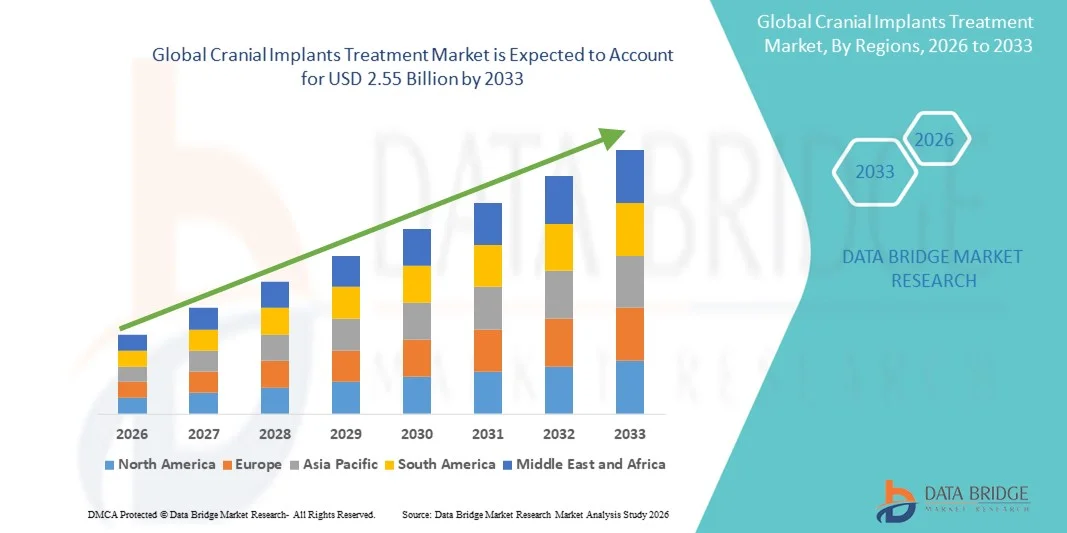
"Cranial Implants Treatment Market Summary: According to the latest report published by Data Bridge Market Research, the Cranial Implants Treatment Market CAGR Value The global cranial implants treatment market size was valued at USD 1.52 billion in 2025 and is expected to reach USD 2.55 billion by 2033, at a CAGR of6.70% during the forecast...
In automotive electronics, market leadership is determined by software integration, processing power, and domain controller expertise. The fight for Automotive Digital Cockpit Market Share is competitive, with the market set to reach $45.0 billion by 2035. Understanding share dynamics is critical. Key Players & E-commerce InfluenceThe market is moderately fragmented with several...