Why Low Loss Power Cable Is Becoming the Backbone of High-Efficiency Power Infrastructure Across Grids, Industries, Renewable Energy, and Digital Economies

Why Low Loss Power Cable Is Becoming the Backbone of High-Efficiency Power Infrastructure Across Grids, Industries, Renewable Energy, and Digital Economies
Every major infrastructure cycle eventually reaches a point where adding more generating capacity is no longer enough. The next challenge becomes moving electricity with minimal waste. That transition is placing Low Loss Power Cable at the center of modern electrical infrastructure. Instead of focusing only on power generation, utilities, industrial operators, renewable developers, metro authorities, hyperscale data centers, and smart cities are now measuring how much electricity disappears before reaching the point of use. Even a reduction of transmission and distribution losses by one percentage point represents enormous annual electricity savings across national grids.
The importance of Low Loss Power Cable has therefore expanded beyond conventional transmission projects. It is becoming a strategic infrastructure component that supports electrification, industrial automation, renewable integration, electric mobility, and digital infrastructure simultaneously. In regions where annual electricity demand continues to grow by 4–8%, every kilometer of improved conductor efficiency contributes toward reducing operating expenditure while improving system reliability.
Modern electricity systems collectively install millions of kilometers of new power cables every year. A growing share of this investment is shifting toward Low Loss Power Cable, particularly in projects where lifecycle energy savings outweigh the higher initial procurement cost. Engineers increasingly calculate cable ownership over a 30–40-year operating life rather than selecting products solely based on installation cost. This shift alone is reshaping procurement strategies across utilities worldwide.
The technical principle behind Low Loss Power Cable is straightforward but powerful. Electrical losses mainly occur because conductors possess resistance. Lower resistance means lower heat generation and lower energy dissipation. Improvements come through higher conductivity conductor materials, optimized conductor geometry, advanced insulation systems, tighter manufacturing tolerances, superior shielding, and reduced dielectric losses. Combined, these engineering improvements can lower energy losses by several percentage points depending on voltage class, conductor length, operating temperature, and loading profile.
Infrastructure planners increasingly quantify every megawatt-hour saved. A metropolitan utility operating 2,500 km of medium-voltage distribution lines can reduce annual technical losses sufficiently to offset electricity consumption equivalent to tens of thousands of urban households. These calculations are transforming Low Loss Power Cable from a premium engineering option into an economically justified infrastructure investment.
The transition is equally visible inside industrial facilities. Large manufacturing campuses often distribute electricity through several hundred kilometers of internal cable networks. Steel plants, semiconductor fabs, petrochemical complexes, battery gigafactories, mining operations, and pharmaceutical facilities increasingly specify Low Loss Power Cable because continuous 24-hour operation magnifies even small efficiency improvements. A facility consuming hundreds of gigawatt-hours annually can recover incremental cable investment through reduced energy waste over the operational lifetime.
The renewable energy industry is creating another powerful growth engine. Wind farms may require tens or even hundreds of kilometers of collector cable before electricity reaches substations. Solar parks spread across several square kilometers require extensive underground distribution infrastructure. Selecting Low Loss Power Cable helps maximize delivered energy rather than simply maximizing generated energy. For renewable developers operating under long-term power purchase agreements, even a fractional improvement in delivered output directly improves project economics.
One of the strongest infrastructure themes emerging today is electrification. Industrial heat, transport systems, commercial buildings, residential heating, ports, airports, mining equipment, and public transit are steadily moving toward electricity. Every additional electrical load increases stress on existing distribution systems. Instead of continuously increasing conductor size, utilities are adopting Low Loss Power Cable to improve carrying efficiency while minimizing network expansion costs. This strategy enables infrastructure upgrades without proportionally increasing right-of-way requirements.
According to Staticker, the Low Loss Power Cable market size in 2026 reflects accelerating investments driven by grid modernization, renewable energy expansion, industrial electrification, underground transmission projects, and digital infrastructure development. Staticker further projects sustained market expansion through the forecast period as utilities increasingly prioritize lifecycle efficiency, lower transmission losses, higher reliability, and resilient electricity networks over traditional procurement based only on upfront capital expenditure. The forecast is supported by expanding infrastructure budgets, modernization of aging power assets, and rising electricity demand across both developed and emerging economies.
The technical evolution of Low Loss Power Cable is closely tied to insulation innovation. Cross-linked polyethylene remains dominant for medium- and high-voltage applications because of its excellent dielectric strength and thermal performance. New insulation compounds continue reducing dielectric losses while improving operational temperature ranges. Manufacturers are also investing heavily in conductor surface optimization, moisture barriers, advanced shielding materials, and improved joint reliability to maximize long-term electrical performance.
Application mapping demonstrates how broadly Low Loss Power Cable is being deployed today.
Transmission utilities represent one of the largest users. Grid operators continually evaluate loss reduction across transmission corridors extending hundreds of kilometers. Even when transmission efficiency improves by less than one percent, cumulative electricity savings over decades become substantial. Consequently, replacement programs increasingly prioritize Low Loss Power Cable in densely populated corridors where upgrading overhead infrastructure remains difficult.
Distribution utilities represent another significant adoption segment. Urban distribution systems experience continuous loading fluctuations driven by commercial districts, residential developments, metro systems, hospitals, airports, and industrial estates. Installing Low Loss Power Cable allows utilities to improve efficiency while simultaneously increasing thermal stability during peak electricity demand.
Data centers have emerged as one of the fastest-growing infrastructure users. A hyperscale data center may consume between 100 MW and over 500 MW of electrical capacity. Internal electrical distribution must therefore minimize losses from incoming substations to server halls. Every percentage improvement in electrical efficiency reduces cooling demand because lower conductor losses generate less waste heat. As artificial intelligence infrastructure expands globally, Low Loss Power Cable is becoming increasingly valuable inside large digital campuses.
Electric vehicle charging infrastructure is another rapidly expanding application. Ultra-fast charging stations operating above 350 kW place considerable demand on local electrical networks. Multiple simultaneous charging events increase conductor loading significantly. Engineers increasingly specify Low Loss Power Cable to maintain efficiency, reduce thermal stress, and improve operational reliability over long service periods.
Rail transportation presents another compelling infrastructure story. Metro systems, high-speed rail corridors, freight rail electrification, and urban transit all require dependable power distribution. Railway electrical systems frequently operate continuously for up to 20 hours each day. Lower electrical losses improve operational efficiency while reducing maintenance costs throughout decades of service. Consequently, many new rail electrification projects now consider Low Loss Power Cable as part of long-term asset optimization strategies.
Industrial automation further expands deployment opportunities. Modern production facilities increasingly operate robotics, automated guided vehicles, machine vision systems, and intelligent manufacturing platforms around the clock. Continuous electrical loading means conductor efficiency becomes economically measurable. A manufacturing cluster containing hundreds of automated production lines benefits from lower distribution losses, improved thermal management, and greater equipment stability when Low Loss Power Cable forms part of its internal electrical infrastructure.
Healthcare infrastructure offers another specialized application. Large hospitals often function as miniature cities with independent substations, emergency generation, imaging equipment, surgical suites, laboratories, and climate-controlled facilities. Electrical reliability is non-negotiable. The growing preference for Low Loss Power Cable in healthcare construction reflects the sector's focus on uninterrupted power delivery, reduced operational costs, and infrastructure resilience over service lives that commonly exceed three decades.
Request for customization: https://staticker.com/reports/low-loss-power-cable-market/
Categorieën
Read More
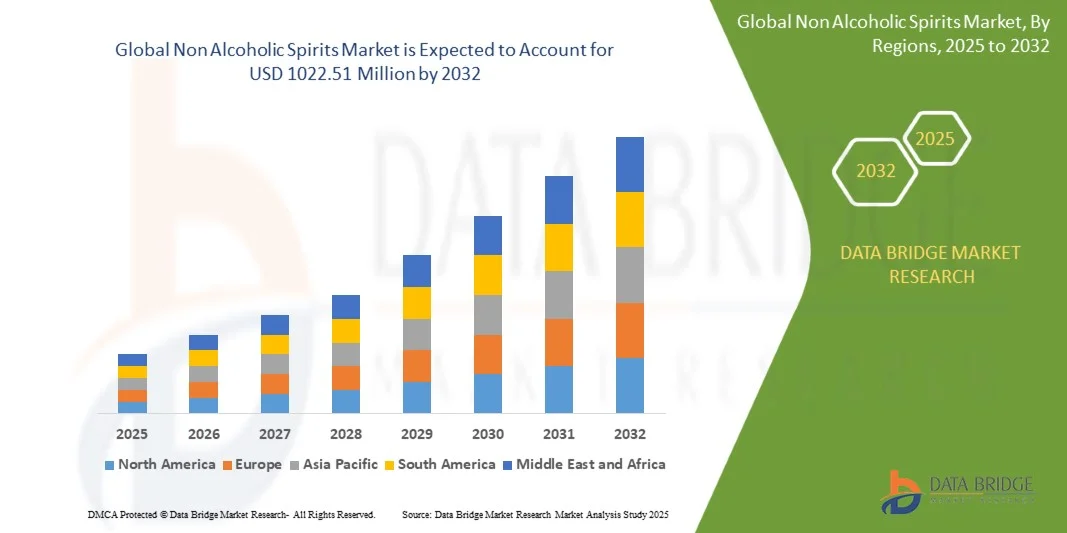
"Executive Summary Non Alcoholic Spirits Market Size and Share: Global Industry Snapshot The global Non-Alcoholic Spirits Market size was valued at USD 533.57 million in 2024 and is expected to reach USD 1022.51 million by 2032, at a CAGR of 8.47% during the forecast period. The research and analysis carried out in this Non Alcoholic Spirits report helps...
Akses informasi dan layanan digital kini menjadi kebutuhan yang tidak dapat dipisahkan dari kehidupan modern. Di tengah perubahan tersebut, patenjitu hadir sebagai sebuah nama yang mengutamakan kualitas layanan, kemudahan penggunaan, serta pengalaman yang lebih nyaman bagi setiap penggunanya. Dengan terus mengikuti perkembangan teknologi, patenjitu berusaha memberikan solusi digital yang mampu...

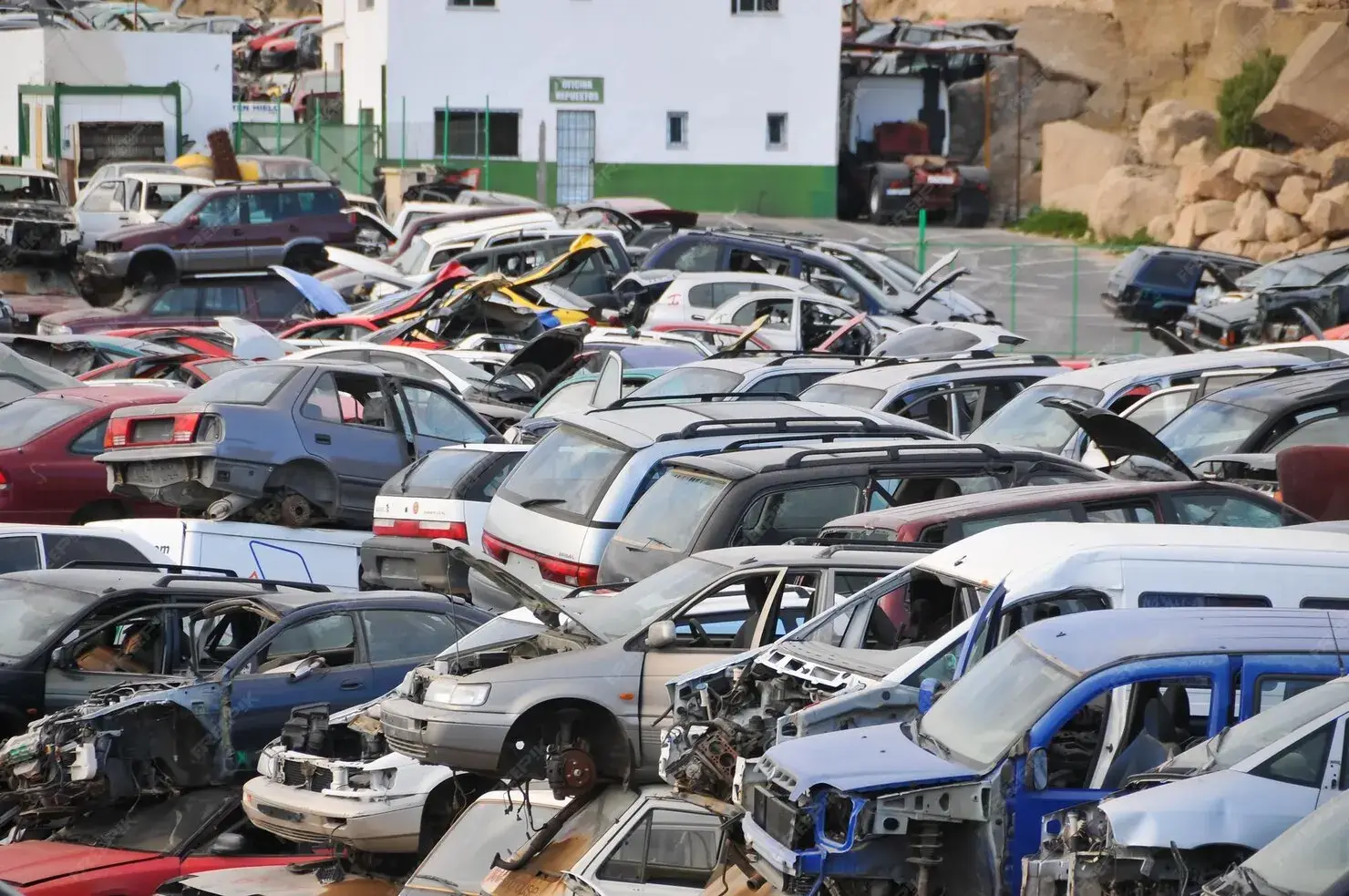
It is a total pain looking at that old car sitting in your driveway. Maybe it stopped running years ago, or it was in a bad accident. Either way, it just sits there and gets uglier every single day. You probably keep saying that you really need to Sell My Junk Vehicle Today but never quite get around to it. It is actually much simpler than you think. You can just make a quick call and...
"According to the latest report published by Data Bridge Market Research, the Antiretroviral Therapy Market The global Antiretroviral Therapy market size was valued at USD 28.7 Billion in 2024 and is expected to reach USD 42.08 Billion by 2032, at a CAGR of 4.9% during the forecast period The large scale Antiretroviral Therapy Market report...

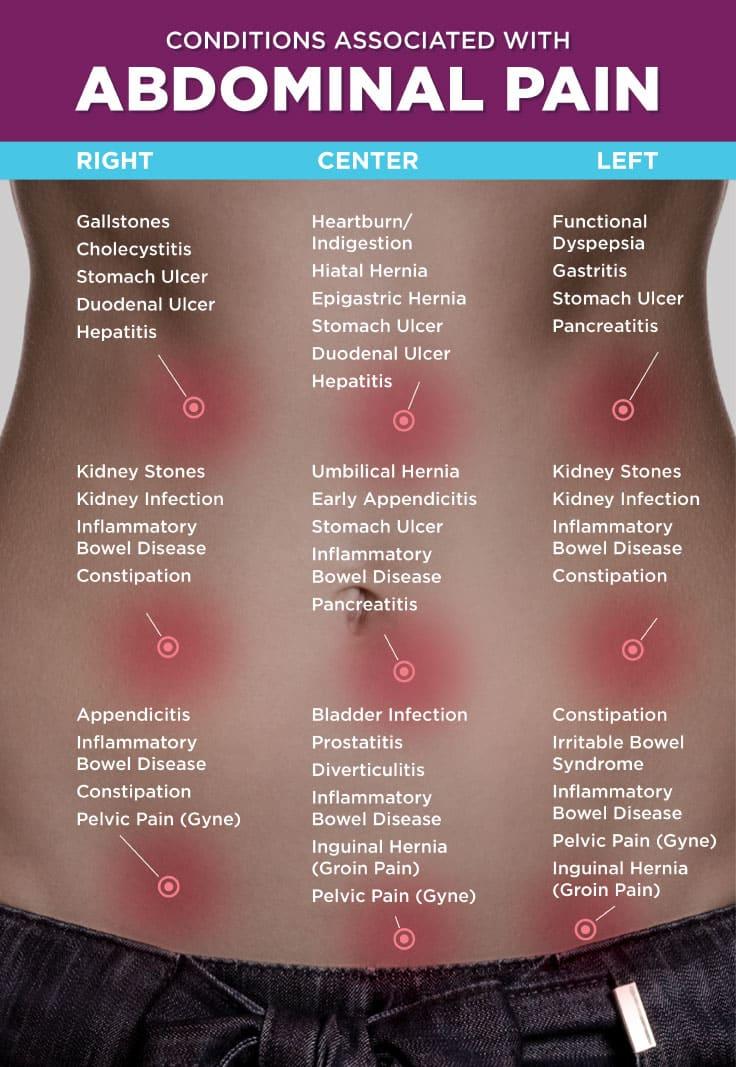
Abdominal pain is one of the most common symptoms people experience at some point in their lives. In many cases, it is harmless caused by indigestion, gas, or minor infections and resolves on its own. However, not all abdominal pain should be dismissed. In certain situations, it can signal a serious underlying condition that requires immediate medical attention. Understanding when to...