


How Much Does a Conditional Access System Cost to Implement?
As businesses increasingly adopt cloud applications, remote work environments, and digital platforms, controlling secure access has become a major cybersecurity priority. Traditional security methods based only on passwords are no longer enough to protect sensitive business resources from identity-based attacks and unauthorized access.
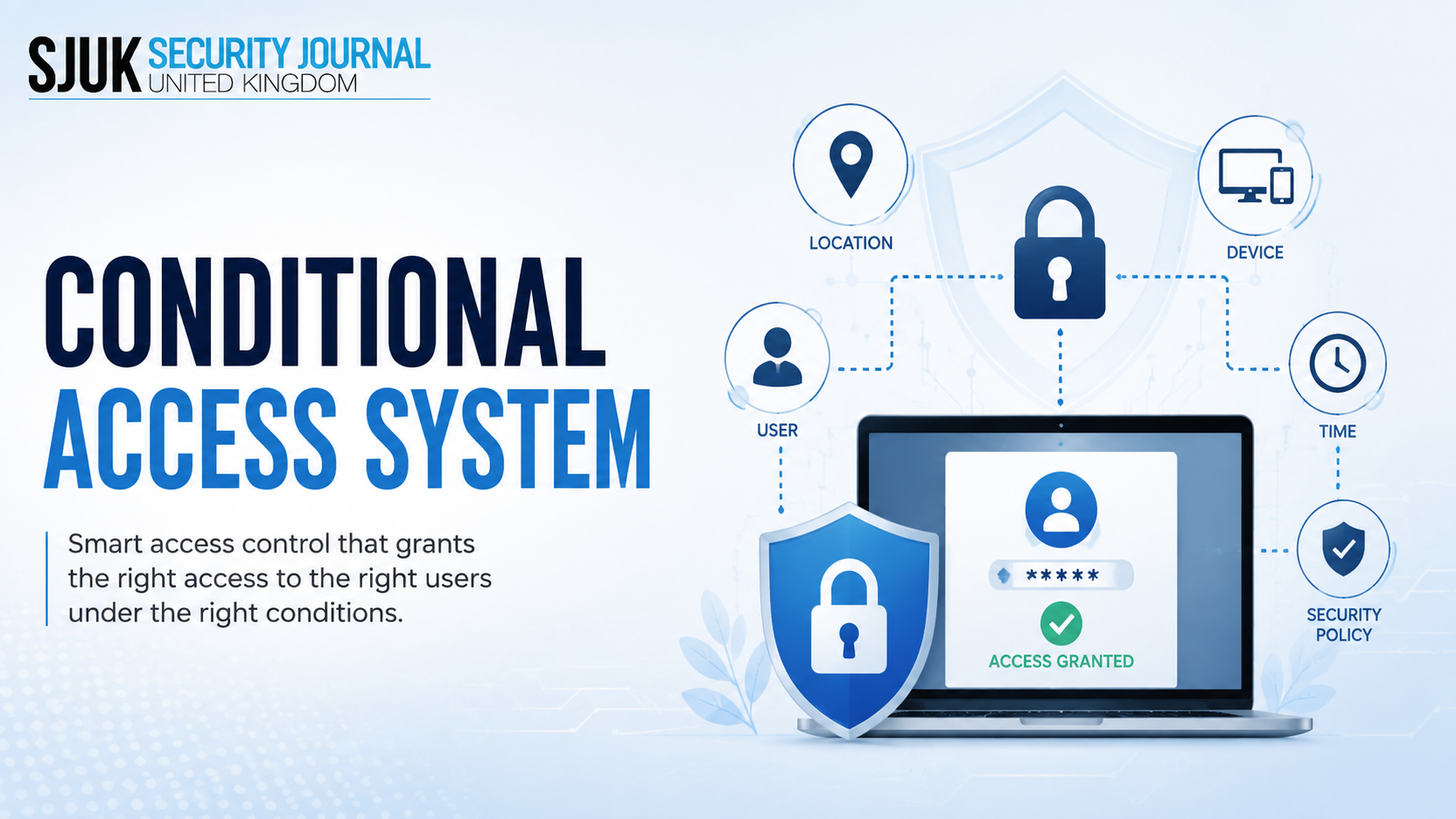
A conditional access system helps organizations improve security by evaluating multiple factors before granting access, including user identity, device security, location, authentication strength, and risk level. It allows businesses to create intelligent access policies that ensure only trusted users and compliant devices can access critical applications and data.
The cost of implementing a conditional access system depends on several factors, including business size, number of users, required security features, existing IT infrastructure, customization needs, and integration complexity. Understanding these cost factors helps organizations choose a solution that fits their security goals and budget.
What Is a Conditional Access System?
A conditional access system is an identity security solution that determines whether a user should be allowed to access specific resources based on predefined security conditions. Instead of automatically granting access after login verification, it analyzes additional risk factors before making an access decision.
A conditional access policy may consider:
-
User identity and role
-
Device compliance status
-
Geographic location
-
Network connection
-
Authentication method
-
Login behavior
-
Security risk level
For example, an employee accessing business applications from a trusted company device may receive normal access, while the same user attempting access from an unknown device may be required to complete additional verification.
Conditional access is widely used in zero-trust security models, where every access request is continuously verified to reduce security risks.
Average Cost of Implementing a Conditional Access System
The cost of implementing a conditional access system varies based on organizational requirements. While basic implementations may require a smaller investment, complex enterprise deployments with customized policies and integrations can involve higher costs.
Small Businesses: $5,000–$25,000
Small organizations usually require simpler access management solutions with fewer users and applications. Costs may include:
-
Cloud-based conditional access licenses
-
Basic policy configuration
-
Multi-factor authentication setup
-
User onboarding and training
Small businesses can often implement standard solutions without extensive customization, making the overall investment more affordable.
Medium-Sized Businesses: $25,000–$100,000
Medium-sized organizations generally have more users, applications, and security requirements. Implementation costs may increase due to:
-
Multiple application integrations
-
Advanced access policies
-
Device management requirements
-
Security monitoring features
-
Custom configuration
Businesses at this stage often require a more structured approach to balance security and usability.
Large Enterprises: $100,000–$300,000+
Large organizations typically operate complex IT environments with thousands of users, multiple locations, and strict compliance requirements. Costs may include:
-
Enterprise-grade identity platforms
-
Custom access workflows
-
Advanced threat detection
-
Extensive integrations
-
Dedicated security management
Although enterprise implementations require higher investment, they provide stronger protection for large-scale operations and sensitive data.
Key Factors That Influence Conditional Access System Costs
The cost of implementing a conditional access system is not fixed because every organization has different security requirements, user environments, and technology infrastructure. Several factors determine the overall investment, from the number of users and required features to the level of customization and existing IT setup. Understanding these factors helps businesses estimate costs more accurately and select an access management solution that delivers the right balance between security, flexibility, and budget.
1. Number of Users and Access Requirements
The number of employees, contractors, and external users directly impacts implementation costs. More users generally require additional licenses, user management capabilities, and access policies.
Organizations with different user groups may also need customized permissions and security rules, which can increase configuration efforts.
2. Type of Conditional Access Solution
Businesses can choose between standard platforms and customized solutions.
Ready-Made Solutions: Pre-built solutions usually offer:
-
Faster deployment
-
Lower initial costs
-
Standard security features
However, they may provide limited flexibility for organizations with complex workflows.
Custom Conditional Access Systems: Custom solutions are designed according to specific business requirements. They may include:
-
Unique access rules
-
Industry-specific security policies
-
Customized authentication workflows
-
Advanced integrations
While custom systems usually cost more initially, they provide better long-term flexibility.
3. Existing IT Infrastructure
The current technology environment significantly affects implementation costs. Businesses with modern cloud-based systems may require less configuration, while organizations using older applications may need additional integration work.
Cost factors include the following:
-
Identity management systems
-
Legacy applications
-
Cloud platforms
-
Network security tools
-
Device management solutions
4. Level of Customization Required
Every business has different security requirements. Organizations requiring advanced policies may need additional development and configuration.
Examples of customization include:
-
Blocking access from specific locations
-
Requiring additional authentication for sensitive applications
-
Creating device-based access rules
-
Applying different policies for departments
Greater customization improves security but can increase implementation expenses.
5. Security Features and Additional Technologies
Advanced security features can improve protection but may affect the overall cost. Common features include:
-
Multi-factor authentication (MFA)
-
Single sign-on (SSO)
-
Risk-based authentication
-
Identity analytics
-
Automated threat detection
-
Access monitoring
Businesses should evaluate which features provide the most value based on their security needs.
Cost Breakdown of Conditional Access System Implementation
Implementing a conditional access system involves more than just software costs. Businesses need to consider licensing, setup, configuration, and ongoing management expenses to build an effective access security strategy.
Software Licensing Costs
Many conditional access solutions use subscription-based pricing models. Licensing costs usually depend on:
-
Number of users
-
Required features
-
Security levels
-
Enterprise requirements
Businesses should compare pricing models carefully to avoid paying for unnecessary features.
Implementation and Configuration Costs
Proper setup ensures the system works effectively with existing business processes. Implementation costs may include:
-
Security assessment
-
Policy development
-
System configuration
-
User setup
-
Testing and deployment
Proper configuration is important because incorrect policies can either weaken security or create unnecessary access restrictions.
Integration Costs
Connecting conditional access systems with existing business applications can add to implementation costs. Integration may involve:
-
Cloud applications
-
Internal software
-
VPN systems
-
Identity providers
-
Security monitoring tools
Training and Maintenance Costs
Ongoing expenses may include:
-
Employee training
-
Security team education
-
Policy updates
-
System monitoring
-
Technical support
Regular maintenance ensures that access policies remain effective against changing security threats.
Ways to Reduce Conditional Access Implementation Costs
Businesses can control expenses by following a strategic approach:
Start With Critical Resources
Prioritize sensitive applications and important data instead of implementing policies across all systems immediately.
Use Existing Security Tools
Integrating current identity and security platforms can reduce additional costs.
Automate Access Management
Automation reduces manual administration and improves efficiency.
Review Policies Regularly
Removing outdated permissions prevents unnecessary complexity and security risks.
Choose a Scalable Solution
Selecting a solution that can grow with business needs avoids expensive replacements in the future.
Conclusion
The cost of implementing a conditional access system depends on various factors, including business size, number of users, customization requirements, integrations, and security features. Small businesses may implement basic solutions with lower investment, while enterprises with complex security needs may require larger budgets for advanced deployments.
Although implementing conditional access requires financial investment, it provides long-term benefits by reducing unauthorized access risks, improving compliance, and strengthening overall cybersecurity. Organizations should choose a solution that aligns with their security requirements while supporting future growth. Security Journal United Kingdom provides expert analysis, cybersecurity updates, and industry insights to help businesses understand modern security solutions and improve their access management strategies.
FAQs
1. What is the average cost of implementing a conditional access system?
The cost can range from around $5,000 for small business implementations to $300,000+ for large enterprise deployments, depending on users, features, customisation, and integration requirements.
2. What factors affect the cost of a conditional access system?
Major cost factors include licensing, number of users, customisation level, existing infrastructure, application integrations, security features, and ongoing maintenance.
3. Is a custom conditional access system more expensive than a standard solution?
Yes, custom solutions generally require higher initial investment because they involve personalized security policies and integrations. However, they provide greater flexibility and scalability.
4. Why should businesses invest in a conditional access system?
A conditional access system helps prevent unauthorized access, protect sensitive data, support zero-trust security strategies, and improve overall cybersecurity resilience.
Κατηγορίες
Διαβάζω περισσότερα
يقدم المستشار القانوني الخبير في مجال حوكمة الشركات بالمملكة العربية السعودية — عبر منصة aah.sa — التوجيه اللازم لمساعدة الشركات على ترسيخ أطر حوكمة متينة، وهياكل للامتثال، وآليات رقابة قانونية فعالة، بما يضمن استقرارها المؤسسي على المدى الطويل. https://aah.sa/services

Logging back into your Fairplay account should be a quick and effortless process. Whether you are returning after a few days, a few weeks, or simply accessing the platform from a different device, having a clear understanding of the login process helps ensure a smooth experience. Introduction Logging back into your Fairplay account should be a quick and effortless process. Whether you are...

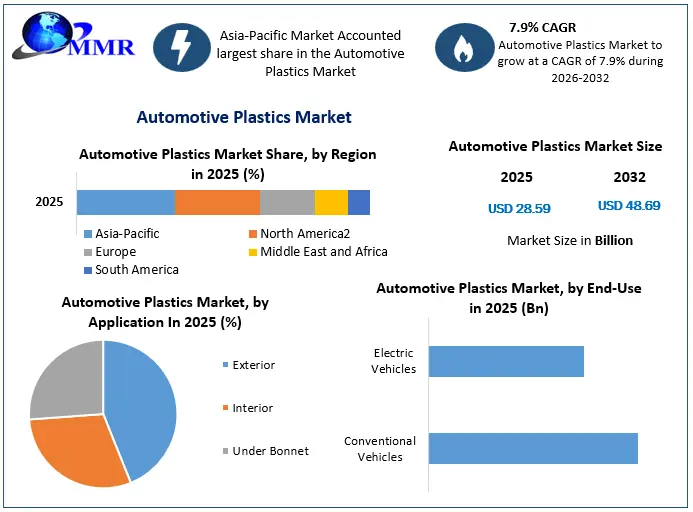
Automotive Plastics Market Accelerates as Lightweight Vehicle Demand and EV Adoption Drive Growth The global Automotive Plastics Market is witnessing robust growth as automakers increasingly adopt lightweight materials to improve fuel efficiency, reduce vehicle emissions, and enhance electric vehicle performance. Automotive plastics have become critical components in modern vehicles,...
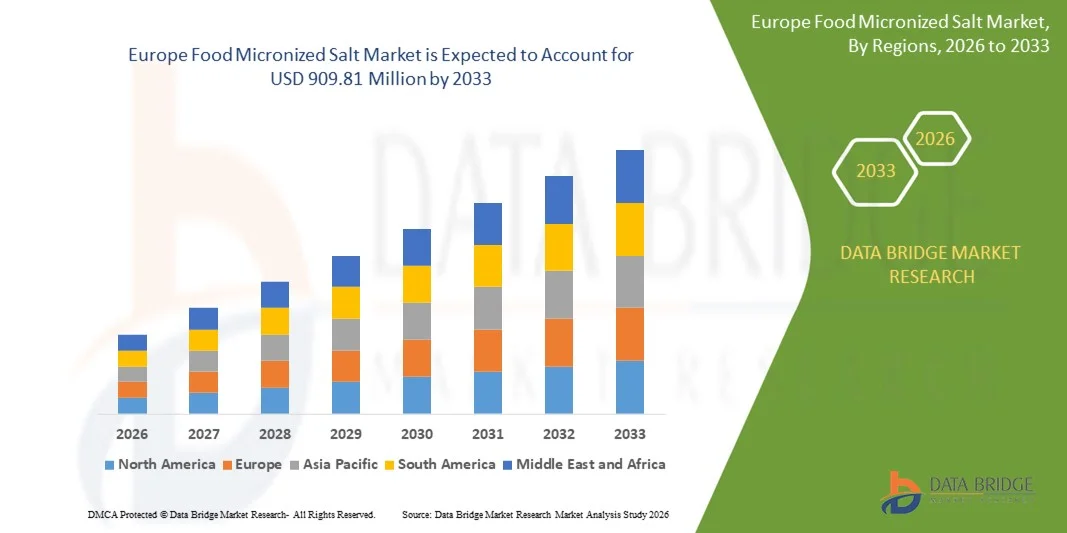
According to the latest report published by Data Bridge Market Research, the Europe food micronized salt Market The Europe food micronized salt market size was valued at USD 701.69 million in 2025 and is expected to reach USD 909.81 million by 2033, at a CAGR of 3.3% during the forecast period. Europe food micronized salt Market report is a great option...
Healthy, glowing skin is often a reflection of consistent skincare, a healthy lifestyle, and professional treatments that address individual skin concerns. While daily skincare routines are important, many people seek advanced aesthetic solutions to improve skin texture, reduce visible signs of aging, and maintain a youthful appearance. Choosing a medspa cumming can provide access to...
