


Image Search Techniques Every Researcher Should Know

Research used to mean digging through text - articles, papers, citations, footnotes. But somewhere along the way, images quietly became just as important as words. A single photo can verify a location, confirm a timeline, expose a fake, or lead you straight to a primary source that text search would never surface. If you're still relying only on keyword search bars, you're missing half the picture - literally.
At Mobcoder AI, we work with researchers, journalists, and AI teams who need to verify and source visual content accurately every day. This guide breaks down the image search techniques that actually matter in 2026, especially now that AI has changed what's possible.
Why Image Search Matters More Than Ever
Misinformation spreads faster through images than text. A screenshot, a manipulated photo, or an out-of-context picture can go viral before anyone fact-checks it. At the same time, legitimate researchers need to trace an image's origin, confirm when and where it was taken, and find the highest-quality version of the source.
This is exactly why understanding image search techniques for finding sources has become a core research skill, not just something reserved for investigative journalists. Whether you're writing an academic paper, building a dataset, or verifying a viral post, knowing how to search visually is now as essential as knowing how to Google a phrase.
Reverse Image Search: The Starting Point
Reverse image search is still the backbone of visual research. Instead of typing keywords, you upload or paste the image itself, and the engine finds matches, similar images, and pages where that image appears.
A few practical ways researchers use this:
-
Tracing origin - finding the earliest instance of an image online to confirm authenticity
-
Spotting reused content - catching when an old photo is being passed off as recent news
-
Finding higher resolution versions - useful for print, presentations, or detailed analysis
-
Identifying unknown subjects - landmarks, products, logos, or even plant and animal species
Most major search engines now offer this feature natively, and it remains one of the fastest ways to validate whether an image is what it claims to be.
Metadata Analysis: The Detail Most People Skip
Every digital image carries hidden information called EXIF metadata - camera model, timestamp, sometimes even GPS coordinates. Researchers who skip this step are leaving valuable evidence on the table.
Metadata can reveal:
-
The device or software used to create or edit the image
-
The original date and time it was captured
-
Location data, when not stripped by the platform
-
Signs of editing or manipulation
Not every image retains full metadata, especially after being uploaded to social platforms that automatically strip it. But when metadata is present, it's often the fastest way to confirm or debunk a claim.
Advanced Filters and Search Operators
Basic image search only gets you so far. The best image search techniques involve using advanced filters and operators most people never touch.
Some techniques worth mastering:
-
Filtering by size, color, or usage rights to narrow results to exactly what you need
-
Searching by file type when you need a specific format like PNG or TIFF for detailed analysis
-
Using site-specific search to pull images only from trusted domains like government archives or academic institutions
-
Combining date filters with visual search to isolate images from a specific time window
These small adjustments dramatically cut down the noise and get you closer to reliable sources faster.
AI-Powered Visual Search Is Changing the Game
This is where things get genuinely exciting. AI-driven image search tools no longer just match pixels - they understand context, objects, scenes, and even relationships between elements in a photo. You can now search using natural language descriptions and get visually relevant results, or use AI to detect subtle signs of image manipulation that the human eye would miss.
For researchers, this means:
-
Faster identification of doctored or AI-generated images
-
Smarter cross-referencing across massive image databases
-
The ability to search using descriptive queries instead of just uploading a file
-
Better detection of deepfakes and synthetic media through pattern analysis
This shift is exactly why organizations are investing in dedicated AI Development services to build custom visual research tools rather than relying only on generic public search engines. A custom-built solution can be trained on domain-specific imagery - medical scans, satellite data, historical archives - giving researchers far more precise and relevant results than a general-purpose tool ever could.
Building a Reliable Image Verification Workflow
Knowing individual techniques is useful, but combining them into a repeatable workflow is what separates casual searching from real research discipline. A solid process usually looks like this:
-
Run a reverse image search first to check for prior appearances online
-
Check metadata if the file is accessible and unedited
-
Cross-reference with trusted archives like news agencies, government sites, or academic repositories
-
Apply advanced filters to narrow down date, location, or source type
-
Use AI-based tools to detect manipulation or generate context clues from the image itself
-
Document your findings so the verification process can be reviewed or repeated later
This kind of layered approach is what makes results defensible, whether you're publishing academic research, fact-checking a news story, or building a dataset for machine learning.
Where This Is Heading
Image search is no longer a side skill - it's becoming a core part of digital literacy. As AI-generated images become harder to distinguish from real photos, researchers who understand both traditional and AI-powered verification methods will have a real edge. The tools are evolving fast, and staying current with them isn't optional anymore if accuracy matters to your work.
How Mobcoder AI Can Help
At Mobcoder AI, we build custom AI-powered research and verification tools tailored to specific industries, from journalism and academia to enterprise data teams. If your organization needs more than what public search engines offer, our AI Development services can help you build tools that search, verify, and organize visual data with the precision your work demands.
Good research starts with good sourcing, and in a world full of visual noise, the ability to search smart is what separates accurate work from guesswork.
Frequently Asked Questions
1. What are the most reliable image search techniques for finding sources?
Reverse image search combined with metadata analysis is generally the most reliable starting point. From there, using advanced filters and cross-referencing trusted archives helps confirm the origin and authenticity of an image with much higher confidence.
2. How can I tell if an image has been manipulated or AI-generated?
Look for inconsistencies in lighting, shadows, and reflections, and check metadata for editing software traces. AI-powered detection tools can also analyze pixel-level patterns that are invisible to the human eye, making them increasingly useful for spotting synthetic or altered images.
3. Does reverse image search work on all types of images?
It works best on photos, screenshots, and graphics that already exist somewhere online. Completely new or AI-generated images with no prior online presence may return limited or no matches, which is itself a useful clue during verification.
4. Why do researchers need custom AI Development services instead of just using free search tools?
Free tools are built for general use and often lack the precision needed for specialized fields like medical imaging, satellite analysis, or historical archives. Custom-built AI tools can be trained on domain-specific data, delivering far more accurate and relevant results.
5. Is metadata always available in an image file?
Not always. Many social media platforms and messaging apps strip metadata automatically during upload for privacy reasons. When metadata is available, though, it can be one of the fastest ways to confirm an image's origin, timestamp, and authenticity.
Категории
Больше
The digital advertising landscape is evolving faster than ever, and one of the most exciting shifts is happening in Web3 Advertising. With decentralized ecosystems, blockchain powered transparency, and highly engaged crypto audiences, advertisers are discovering new ways to drive meaningful ROI. Here is a surprising insight. Web3 users often show higher engagement rates compared to traditional...

How could I select which is the best module for my online business? Introduction: Online businesses have changed customers' behavior dramatically in recent years. People nowadays search and compare every product and service through reviews and make decisions based on the information they find online. Businesses that showcase their products and services online grow faster than those just...

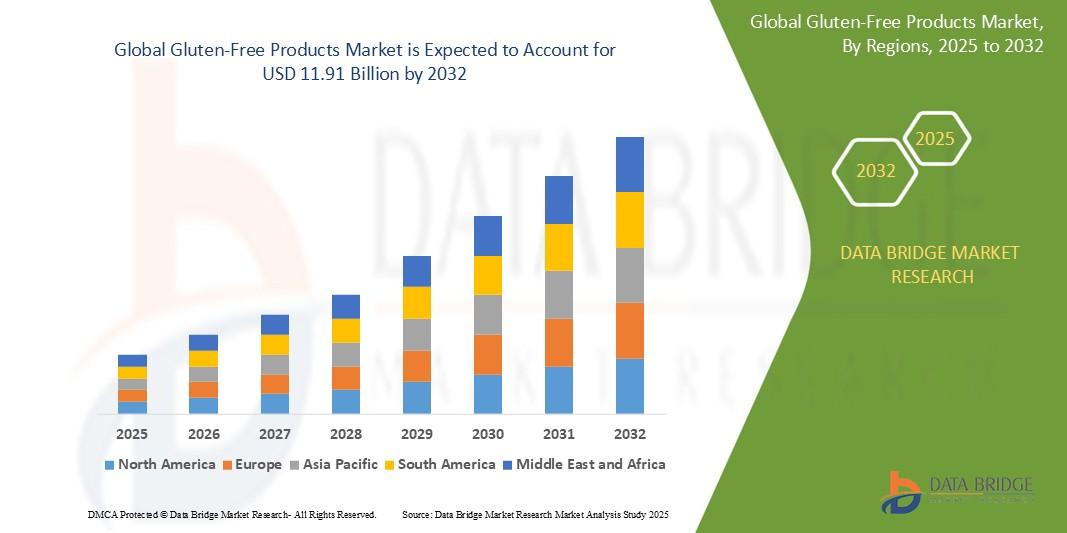
"Executive Summary Gluten-Free Products Market: Share, Size & Strategic Insights The global gluten-free products market size was valued at USD 7.23 billion in 2024 and is expected to reach USD 11.91 billion by 2032, at a CAGR of 6.44% during the forecast period The Gluten-Free Products report makes available a thoughtful overview of product specification,...
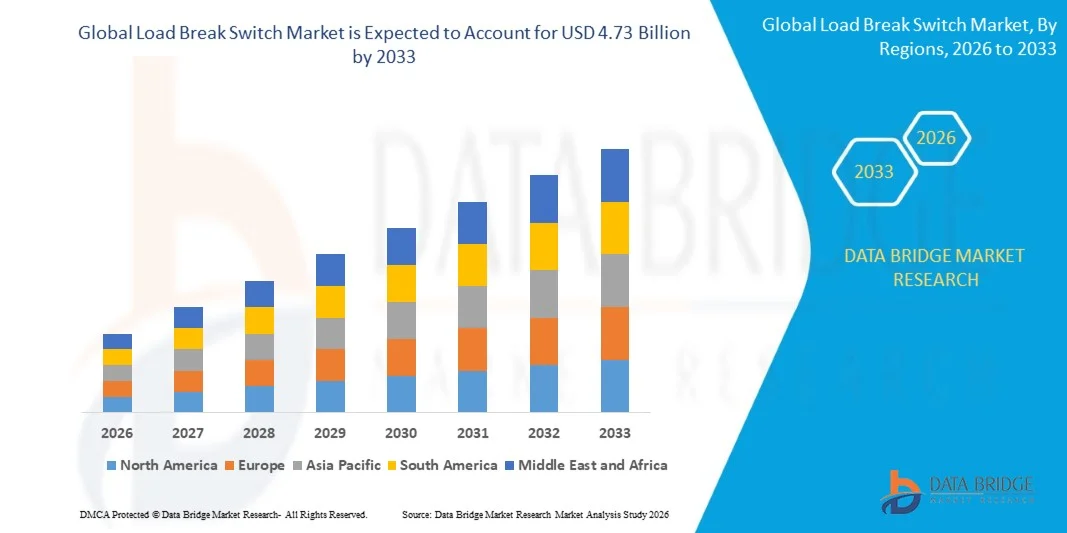
"Executive Summary Load Break Switch Market Size and Share Forecast CAGR Value The global load break switch market size was valued at USD 3.20 billion in 2025 and is expected to reach USD 4.73 billion by 2033, at a CAGR of 5.01% during the forecast period Load Break Switch Market report works very well for initiating and enhancing the strategies for...
Lemon expects to participate fully starting late this July. Fans are excited to watch the Eagles Vs Jaguars this season. The young wide receiver worked hard on his craft. He spent considerable time studying the team playbook daily. Quinyon Mitchell confirmed Lemon suffered a minor hamstring strain. The medical staff expects him to perform extremely well. Buy your Eagles Vs Jaguars Tickets today...
