


Complete Guide to BIS Certification, BIS Registration & BIS Application
Introduction
Entering the Indian market is an exciting opportunity for manufacturers worldwide, but compliance with Indian standards is absolutely essential. One of the most important requirements every manufacturer or importer must understand is the BIS Certification process. This certification ensures that products meet India’s strict safety, quality, and performance standards before being sold to consumers.
In this comprehensive guide, we will explore everything you need to know about BIS Certification, BIS Registration, and the BIS Application process. Whether you’re a domestic manufacturer or an international brand, this guide will help you navigate the system smoothly and efficiently.
What Is BIS Certification?
The Bureau of Indian Standards (BIS) is the national standards body of India. Its primary objective is to maintain product safety, quality, and reliability. When a product receives BIS Certification, it becomes officially recognized as compliant with Indian quality and safety norms.
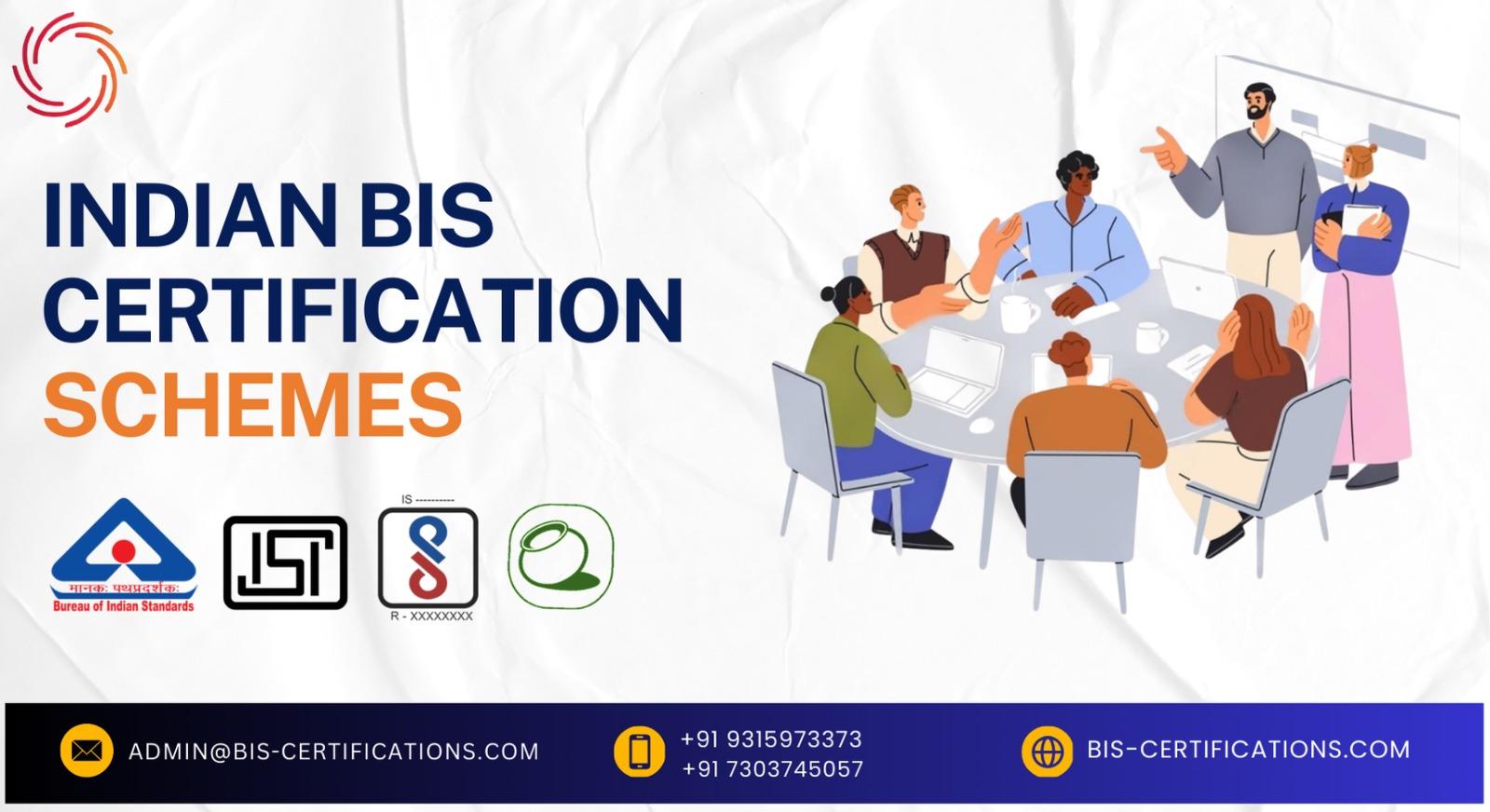
Certain products cannot legally be sold in India without mandatory BIS Certification under schemes like:
-
Compulsory Registration Scheme (CRS)
-
Indian Standards Institute (ISI) Mark Scheme
-
Foreign Manufacturer Certification Scheme (FMCS)
If your product falls under these categories, obtaining BIS Certification is not optional — it is mandatory.
Why BIS Certification Is Important
Companies pursue BIS Certification because it brings several powerful benefits:
-
Trust & Credibility
A BIS-certified product builds trust among customers and retailers.
-
Legal Compliance
For many product categories, it is legally required before sale.
-
Market Expansion
Certification allows brands to enter India’s rapidly expanding market.
-
Reduced Product Failure
Testing ensures the product meets quality benchmarks.
Understanding BIS Registration
While BIS Certification applies to many mandatory products, BIS Registration is specifically required for electronic and IT products under the CRS scheme.
Products such as:
-
LED lights
-
Mobile phones
-
Power banks
-
Smartwatches
-
Laptops
-
Audio equipment
must undergo BIS Registration before being sold in India.
This registration process ensures the product meets the technical requirements defined by BIS and is safe for consumer use.
BIS Application — Step-by-Step Guide
The BIS Application process is the core stage where manufacturers formally apply for approval. Below is a detailed step-by-step guidance to help you understand the compliance pathway clearly:
Step 1: Identify Applicable Indian Standard (IS) Code
Every product category has its own IS code. Identifying the correct code is the first step.
Step 2: Choose the Correct BIS Scheme
-
ISI Scheme – for domestic/foreign manufacturers
-
CRS Scheme – for electronics
-
FMCS – for foreign manufacturers for ISI-marked products
Choosing the wrong scheme may lead to rejection.
Step 3: Prepare Required Documentation
Typical documents include:
-
Manufacturing details
-
ISO certificate
-
Product specifications
-
Factory layout
-
Test report from BIS-recognized laboratory
-
Authorization letter
-
Factory audit records (if applicable)
Step 4: Product Testing in BIS-Approved Labs
The product must undergo detailed testing to ensure compliance.
Only reports from BIS-approved laboratories are accepted.
Step 5: Factory Inspection (For ISI & FMCS)
A BIS officer visits the manufacturing site to verify:
-
Quality control systems
-
Technical capability
-
Manufacturing process
-
Raw material quality standards
Step 6: Submit BIS Application Online
Manufacturers must submit a complete BIS Application along with fees, test reports, and documents on the BIS portal.
Step 7: BIS Review & Grant of License
After verification, BIS issues:
-
BIS License (for ISI/FMCS)
-
BIS Registration Number (for CRS products)
Once approval is granted, the manufacturer can use the appropriate BIS mark on their products.
Timeline for BIS Certification & Registration
On average:
-
CRS BIS Registration – 15 to 30 days
-
ISI Certification – 30 to 60 days
-
FMCS Certification – 60 to 120 days
Delays may occur due to improper documentation or failed testing.
BIS Certification Cost
The cost depends on:
-
Type of scheme (CRS / ISI / FMCS)
-
Product category
-
Number of models
-
Testing fees
-
Audit charges
-
Government application fees
Foreign manufacturers usually incur higher costs due to factory inspections and additional verification procedures.
Tips to Get BIS Certification Faster
To speed up your approval:
-
Ensure documents are accurate
-
Choose the correct Indian Standard
-
Use a BIS-approved lab
-
Maintain proper QC systems in the factory
-
Seek expert assistance if needed
Conclusion
Achieving BIS Certification, completing BIS Registration, and submitting a successful BIS Application is essential for any business wanting to confidently enter and thrive in the Indian market. While the process can seem overwhelming, proper planning and guidance make it smooth and manageable.
A certified product not only enhances trust but also ensures long-term success in India’s competitive marketplace.
For professional BIS consultancy and assistance, visit sunconsultants.co.in.
Категории
Больше
CEC Bank agentic CRM digital transformation marks a major step forward as CEC Bank внедлоyed a unified agentic CRM platform powered by Creatio to modernize customer engagement and operational workflows. The initiative is designed to deliver AI-driven experiences and streamline processes across the bank’s nationwide operations. The new system supports more than 4,000 users, providing a...
Introduction Hargatoto has become a familiar name among online gaming enthusiasts looking for a convenient, secure, and entertaining platform. With a wide variety of games, user-friendly features, and smooth accessibility, Hargatoto aims to provide an enjoyable gaming experience for players of different preferences. Whether you enjoy classic number-based games, slots, or live casino...

As homeowners look for ways to expand living space without moving, accessory dwelling units (ADUs) have become an increasingly popular solution. ADUs are secondary living spaces on your property, such as guest houses, studios, or small apartments. Professional ADU construction services make building these spaces efficient, safe, and cost-effective, while maximizing your property’s value....

Le meilleur casino en ligne s’inscrit dans une dynamique où les standards du divertissement numérique sont continuellement réévalués à la lumière des avancées technologiques et des attentes des utilisateurs. Dans cet environnement, la notion de “meilleur” ne dépend plus uniquement de la quantité de jeux...

According to a new report from Intel Market Research, the Asia-Pacific Athleisure Market was valued at USD 47.3 billion in 2024 and is projected to reach USD 78.6 billion by 2034, growing at a robust CAGR of 7.8% during the forecast period. Growth is driven by increasing health consciousness among consumers, with countries like China, India, and Japan seeing a 35% rise in gym memberships over...