Barcode Stickers
In today's fast-paced commercial world, barcode stickers have evolved from simple price tags into indispensable tools for business operations. These small labels are the backbone of inventory management, logistics, and retail, enabling seamless tracking and data capture that drive efficiency and accuracy . Whether you are a small business owner or managing a large warehouse, understanding the nuances of barcode stickers can significantly streamline your processes .
What Are Barcode Stickers?
At their core, barcode stickers are labels that carry machine-readable data, typically in the form of parallel black lines (1D barcodes) or square patterns (2D codes like QR codes) . They are designed to be scanned by optical readers, instantly transmitting information about a product, asset, or shipment to a computer system. This eliminates manual data entry, reducing errors and saving valuable time .
Modern barcode stickers are far from one-size-fits-all. They come in a vast array of materials, sizes, and adhesive strengths to suit different environments and applications.
Types and Applications
The variety of barcode stickers available today reflects the diverse needs of different industries. For standard retail and indoor use, paper barcode stickers are a cost-effective and popular choice . However, for more demanding conditions, specialized stickers are necessary :
-
Thermal Barcode Stickers: Ideal for shipping labels and retail receipts, these stickers are printed using heat. Direct thermal labels are perfect for short-term use as they require no ink or ribbon, making them a very economical choice for many businesses .
-
Durable Synthetic Labels: For items exposed to moisture, chemicals, or extreme temperatures, synthetic materials like polyester (PET) or aluminum are used. These are waterproof, oil-resistant, and tear-proof, ensuring the barcode remains scannable throughout the product's lifecycle .
-
Specialty Labels: This category includes "3-proof" labels resistant to water, oil, and alcohol, which are common in supermarkets and commercial kitchens . Other variants include transparent stickers for a discreet look, metallic silver stickers, and tamper-evident "void" labels for security applications .
Their applications are vast. In retail, they are used for product pricing and checkout ; in logistics, they track packages from dispatch to delivery ; and in warehousing and manufacturing, they are essential for managing inventory, tracking assets, and monitoring work-in-progress .
Choosing the Right Barcode Sticker
Selecting the correct barcode sticker is critical for ensuring long-term readability and performance. Here are key factors to consider:
-
Material and Environment: Will the sticker be used indoors or outdoors? Will it be exposed to water, heat, or rough handling? For harsh conditions, choose synthetic, waterproof materials like polyester or vinyl. For standard, controlled environments, paper labels are sufficient and more economical .
-
Adhesive Strength: The sticker must stay attached to its surface. For applications requiring permanent adhesion, such as fixed asset tracking, a strong adhesive is crucial. For temporary needs, such as temporary shelf labels, a removable adhesive may be preferred .
-
Printing Technology: Determine if your printer uses direct thermal or thermal transfer technology. While direct thermal printing is cost-effective for short-term labels, thermal transfer, which uses a ribbon, produces more durable, smudge-proof, and UV-resistant prints suitable for long-term use .
-
Size and Shape: Barcode stickers are available in a multitude of sizes. The ideal size should be large enough to be easily scanned but small enough to fit neatly on the product without obscuring important information .
Tips for Maximizing Your Barcode Printer
To get the best results from your barcode stickers, proper printer maintenance and design are essential .
-
Design for Readability: Always ensure there is a sufficient "quiet zone" (blank white space) around the barcode. This allows the scanner to easily recognize the start and end of the code. The best contrast for scannability is black bars on a white background .
-
Strategic Placement: Apply stickers on flat, accessible surfaces, and avoid placing them over seams, curves, or textured areas that could distort the barcode and make scanning difficult .
-
Regular Maintenance: Keep your printer in top condition by regularly cleaning the print head with isopropyl alcohol. This prevents dust and debris from causing print defects, ensuring every sticker is sharp and clear .
For businesses seeking a reliable source for high-quality barcode stickers and thermal paper rolls, thepaperroll.com is an excellent resource to consider for your labeling needs . They offer a variety of products designed to meet the demands of modern businesses.
Conclusion
From a simple label to a cornerstone of modern commerce, barcode stickers are powerful tools that enhance operational efficiency, accuracy, and data visibility. By understanding the different types available and how to use them effectively, businesses can optimize their tracking and inventory management, paving the way for smoother, more reliable operations.
Categorias
Leia Mais
The Eastern Europe infraglottic devices market is growing at a steady pace, supported by improving healthcare infrastructure, rising surgical volumes, increasing prevalence of respiratory disorders, and greater adoption of advanced airway management solutions. According to Business Market Insights, the market was valued at USD 183.0 million in 2025 and is expected to...

Discover premium London Ontario Real Estate opportunities including houses, condos, and investment properties. Get expert advice and seamless buying experience through jimmysinghrealtor.ca, helping you navigate the local market confidently and find a property that suits your lifestyle and budget. London Ontario Real Estate
The Artificial Intelligence in Cybersecurity Market Size is experiencing rapid growth as organizations increasingly deploy advanced technologies to combat evolving cyber threats. The market was valued at USD 24.44 billion in 2025E and is projected to reach USD 111.56 billion by 2033, growing at a CAGR of 20.93% during the forecast period 2026–2033. AI in cybersecurity leverages...

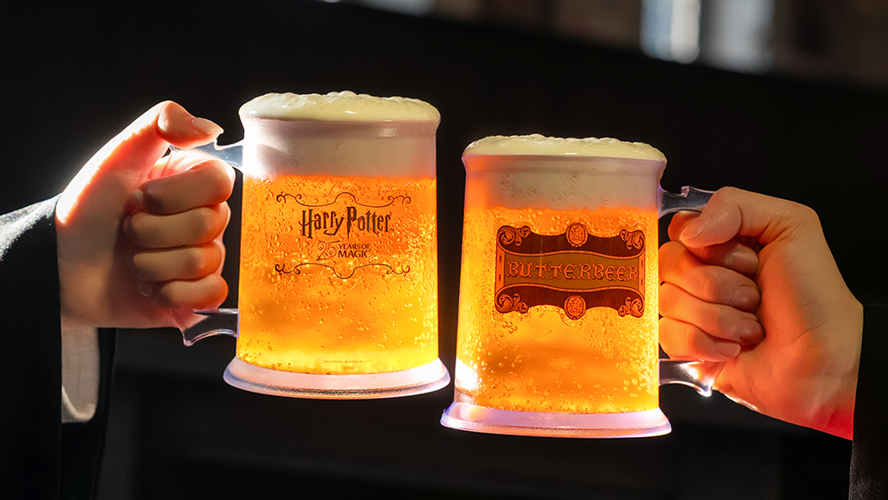
Butterbeer 25th Anniversary Celebration Celebrate the 25th anniversary of this legendary flavor with a season dedicated entirely to its magic. The festivities unfold from March 1st through May 31st, offering more enchantment than ever before. Discover exclusive, limited-edition treats and collect special merchandise inspired by the drink. Enjoy unique themed experiences that bring the beloved...
Arterial Filter Market: Growth, Trends, Demand & Future Outlook (2025–2033) The arterial filter market is a vital segment within the global cardiovascular medical devices industry. Arterial filters are indispensable components used during cardiopulmonary bypass (CPB) procedures, where they ensure the safe circulation of blood by removing air bubbles, microemboli, and...