Hard Hat Classifications: Choosing the Right Protection for Every Workplace

Introduction
Protecting employees from workplace injuries starts with selecting the right personal protective equipment. Among the most important pieces of safety gear is the hard hat, which helps protect workers from falling objects, accidental impacts, and electrical hazards. However, not every hard hat provides the same level of protection. Understanding hard hat classifications allows employers to choose head protection that matches the specific hazards employees face in construction, manufacturing, utilities, warehousing, mining, transportation, and many other industries.
Companies such as UniFirst First Aid + Safety understand that effective workplace safety requires more than simply supplying personal protective equipment. Employers must identify workplace hazards, choose equipment that meets operational needs, educate employees on proper usage, and maintain safety gear throughout its service life. By understanding hard hat classifications, businesses can improve worker protection, reduce workplace injuries, and create a stronger culture of safety.
This guide explains the different hard hat classifications, their purpose, and how employers can select the right head protection for different work environments.
Why Hard Hat Classifications Matter
Hard hats protect workers from more than falling objects. Their classifications determine how well they perform under different workplace conditions, making proper selection an important part of every safety program.
1. Better Protection Against Workplace Hazards
Employees work in environments where overhead materials, machinery, structural components, and electrical systems create different types of risks. Hard hat classifications help employers provide protection that matches these hazards.
2. Improved Workplace Safety
Choosing the correct hard hat reduces the likelihood of serious head injuries and electrical accidents. Proper protective equipment creates a safer environment while encouraging employees to follow workplace safety procedures.
3. Supports Better Safety Planning
Understanding hard hat classifications helps employers develop more effective safety programs by selecting equipment based on actual workplace risks instead of using the same helmet for every employee.
4. Builds Employee Confidence
Workers who know they have appropriate safety equipment often perform their responsibilities with greater confidence. This encourages better concentration while supporting a positive workplace safety culture.
Understanding Hard Hat Impact Classifications
One part of hard hat classifications focuses on how helmets protect workers from impacts.
Type One Hard Hats
Type One hard hats provide protection from impacts that occur on the top of the head.
1. Protection From Falling Objects
The suspension system inside the helmet absorbs and distributes impact energy created by falling materials before it reaches the wearer's head.
2. Common Across Many Industries
Construction companies, warehouses, manufacturing facilities, maintenance departments, and transportation operations frequently rely on Type One hard hats because overhead hazards are common in these environments.
3. Comfortable for Daily Wear
Modern Type One hard hats are lightweight and feature adjustable suspension systems that improve comfort during long work shifts.
Type Two Hard Hats
Type Two hard hats provide protection against impacts affecting both the top and the sides of the head.
1. Expanded Impact Coverage
Unlike traditional hard hats, Type Two models include additional side impact protection, reducing injuries caused by impacts from multiple directions.
2. Suitable for High Risk Work
Utility workers, telecommunications technicians, emergency response personnel, and employees working at heights often benefit from the additional protection provided by Type Two hard hats.
3. Growing Industry Preference
Many organizations are adopting Type Two hard hats as part of updated workplace safety programs designed to provide broader employee protection.
Understanding Hard Hat Electrical Classifications
The second part of hard hat classifications focuses on electrical protection.
Class G Hard Hats
Class G stands for General protection.
1. Moderate Electrical Protection
Class G hard hats are designed to provide protection against moderate electrical hazards while delivering dependable impact protection for everyday industrial work.
2. Suitable for General Industrial Work
Manufacturing plants, warehouses, construction projects, maintenance departments, and production facilities commonly use Class G hard hats because they provide balanced protection across many workplace environments.
3. Reliable Everyday Performance
Many employers choose Class G hard hats because they combine durability, comfort, and dependable protection for workers performing routine industrial tasks.
Class E Hard Hats
Class E stands for Electrical protection.
1. Higher Electrical Resistance
Class E hard hats provide increased electrical protection for employees working near higher voltage electrical systems and energized equipment.
2. Common Among Utility Professionals
Electricians, utility crews, power generation employees, transmission line workers, and electrical contractors frequently rely on Class E hard hats because of the hazards associated with their work.
3. Essential for Specialized Operations
Organizations performing electrical maintenance often require Class E hard hats as part of their workplace safety requirements.
Class C Hard Hats
Class C stands for Conductive.
1. Lightweight Construction
Class C hard hats are generally lighter than electrically rated models because they focus primarily on impact protection. Their lightweight design improves comfort during extended work shifts.
2. Best for Low Electrical Risk Areas
Warehouses, logistics centers, landscaping companies, and manufacturing environments without electrical hazards commonly use Class C hard hats.
3. Improved Employee Comfort
Many Class C hard hats include ventilation systems that improve airflow and reduce heat buildup, making them comfortable for employees working in warm conditions.
Industries That Depend on Hard Hat Classifications
Understanding hard hat classifications helps employers select the right protection for different industries.
1. Construction
Construction workers regularly perform tasks beneath scaffolding, cranes, elevated work platforms, and heavy equipment. Selecting the correct hard hat classification helps reduce injuries caused by falling objects and workplace impacts.
2. Manufacturing
Manufacturing facilities contain production machinery, overhead cranes, conveyor systems, and storage racks that create multiple workplace hazards. Proper head protection supports safer daily operations.
3. Utility Services
Utility employees frequently work near energized electrical systems. Choosing the appropriate hard hat classification provides valuable protection while supporting safe electrical maintenance.
4. Warehousing and Distribution
Warehouses expose employees to forklifts, loading docks, elevated storage systems, and stacked inventory. Appropriate head protection helps reduce injuries caused by overhead hazards and accidental impacts.
Factors to Consider When Choosing the Right Hard Hat Classification
Selecting the appropriate hard hat classification requires more than purchasing a durable helmet. Employers should carefully evaluate workplace hazards and employee responsibilities before making a decision.
1. Conduct a Workplace Hazard Assessment
Every workplace presents different risks. Some employees work around heavy machinery, while others perform tasks near energized electrical systems or beneath elevated work platforms. Identifying these hazards helps employers determine which hard hat classification provides the appropriate level of protection.
2. Match Protection to Job Responsibilities
Employees perform different duties depending on their roles. Construction workers, electricians, warehouse employees, maintenance technicians, and utility crews all require protection suited to their daily responsibilities. Matching the hard hat classification to each role improves workplace safety.
3. Prioritize Proper Fit
A hard hat should fit securely without creating discomfort during extended work shifts. Adjustable suspension systems help employees achieve a comfortable fit while ensuring the helmet remains properly positioned throughout the day.
4. Consider Environmental Conditions
Employees working outdoors often experience heat, cold, rain, wind, or prolonged sunlight exposure. Selecting hard hats designed for these conditions improves comfort and encourages consistent use.
5. Ensure Compatibility With Other Safety Equipment
Many workers wear hearing protection, face shields, communication devices, safety glasses, or headlamps. Choosing hard hats that support these accessories creates a more complete personal protective equipment system.
Best Practices for Hard Hat Maintenance
Proper maintenance ensures that hard hats continue providing dependable protection throughout their service life.
1. Perform Daily Inspections
Employees should inspect their hard hats before every shift for cracks, dents, fading, damaged suspension systems, or loose components. Equipment showing signs of wear should be replaced immediately.
2. Clean With Mild Soap and Water
Hard hats should be cleaned using gentle soap and warm water to remove dirt and sweat without damaging the protective shell. Harsh chemicals and abrasive cleaners should be avoided.
3. Store Equipment Correctly
Hard hats should be stored in a cool, dry location away from direct sunlight, excessive heat, and chemical exposure. Proper storage helps preserve both the shell and the internal suspension system.
4. Replace After Significant Impact
A hard hat that has absorbed a major impact should always be replaced, even when visible damage is not present. Internal structural damage may reduce its protective performance during future incidents.
Common Mistakes Employers Should Avoid
Many organizations unintentionally reduce workplace safety by overlooking important practices when selecting or maintaining hard hats.
1. Choosing the Wrong Classification
Providing a hard hat without evaluating workplace hazards may leave employees underprotected. Employers should always consider both impact protection and electrical protection before selecting equipment.
2. Ignoring Routine Inspections
Routine inspections help identify damaged equipment before it fails during an accident. Skipping inspections increases the likelihood of employees using compromised protective equipment.
3. Making Unauthorized Modifications
Drilling holes, applying incompatible paints, or making structural changes can weaken the hard hat and reduce its protective capabilities. Hard hats should always be used according to manufacturer recommendations.
4. Overlooking Employee Training
Employees should receive regular instruction on how to wear, inspect, adjust, clean, store, and replace their hard hats. Proper training helps ensure workers receive the highest level of protection.
Benefits of Choosing the Correct Hard Hat Classification
Understanding hard hat classifications allows employers to make informed decisions that improve both worker safety and business performance.
1. Better Employee Protection
Selecting the correct hard hat classification helps reduce injuries caused by falling objects, accidental impacts, and workplace electrical hazards. Appropriate protection creates a safer work environment.
2. Stronger Workplace Safety Culture
Providing dependable personal protective equipment demonstrates an organization's commitment to employee wellbeing. Workers are more likely to follow workplace safety procedures when they receive equipment suited to their responsibilities.
3. Improved Productivity
A safer workplace experiences fewer injuries, reduced downtime, and greater operational efficiency. Employees can focus more effectively on their work when they feel protected.
4. Smarter Long Term Investment
Purchasing hard hats that match actual workplace hazards helps employers maximize the value of their safety investment while reducing unnecessary equipment replacement and improving overall protection.
Conclusion
Understanding hard hat classifications is essential for employers who want to create safer workplaces and provide dependable protection for their employees. Selecting the appropriate impact classification and electrical classification ensures workers receive equipment that matches the hazards they encounter every day. Combined with routine inspections, proper maintenance, and ongoing employee training, the right hard hat classification helps reduce workplace injuries while strengthening long term safety programs.
Companies such as UniFirst First Aid + Safety understand that effective workplace protection begins with selecting reliable personal protective equipment supported by proper education and regular maintenance. By investing in the appropriate hard hat classifications and encouraging consistent safety practices, businesses can improve employee confidence, strengthen workplace safety, and support long term operational success.
Frequently Asked Questions
Q. What are hard hat classifications?
Ans. Hard hat classifications refer to the categories used to identify both impact protection and electrical protection provided by a hard hat. These classifications help employers select the right helmet for specific workplace hazards.
Q. What is the difference between Type One and Type Two hard hats?
Ans. Type One hard hats provide protection against impacts to the top of the head, while Type Two hard hats protect both the top and sides of the head, making them suitable for workplaces with additional lateral impact risks.
Q. What do Class G, Class E, and Class C mean?
Ans. Class G provides general electrical protection, Class E offers higher electrical protection for employees working near greater electrical hazards, and Class C provides impact protection without electrical insulation.
Q. How often should hard hats be inspected?
Ans. Hard hats should be inspected before every work shift for cracks, dents, damaged suspension systems, fading, or any signs of wear that may reduce their protective performance.
Q. Why is selecting the correct hard hat classification important?
Ans. Selecting the appropriate hard hat classification ensures workers receive protection that matches workplace hazards, helping reduce injuries, improve safety performance, and support a stronger workplace safety program.
Категории
Больше
Soccer is the most popular sport in the world, and millions of fans look for easy ways to watch matches live. With busy schedules and limited access to cable TV, online streaming platforms have become very popular. One name that often appears in online searches is Stream East Soccer. Many football lovers use Stream East to follow their favorite teams and leagues from anywhere. This article...

The global home fragrance market is witnessing strong expansion as consumers increasingly focus on wellness, hygiene, and ambient living spaces. Home fragrance products, once considered luxury or occasional-use items, have now become an essential part of modern home décor and lifestyle enhancement. According to industry analysis, the market was valued at US$ 9.0 Bn in 2022 and is...

A fresh trio steps into the iconic roles for the latest full-cast audiobook adventure. The stakes are elevated with dragons and dark forces in this new production. Jaxon Knopf, Rhys Mulligan, and Nina Barker-Francis now portray the beloved Hogwarts students. They lead an impressive ensemble of new cast members joining the magical world. James McAvoy embodies the formidable Mad-Eye Moody with...

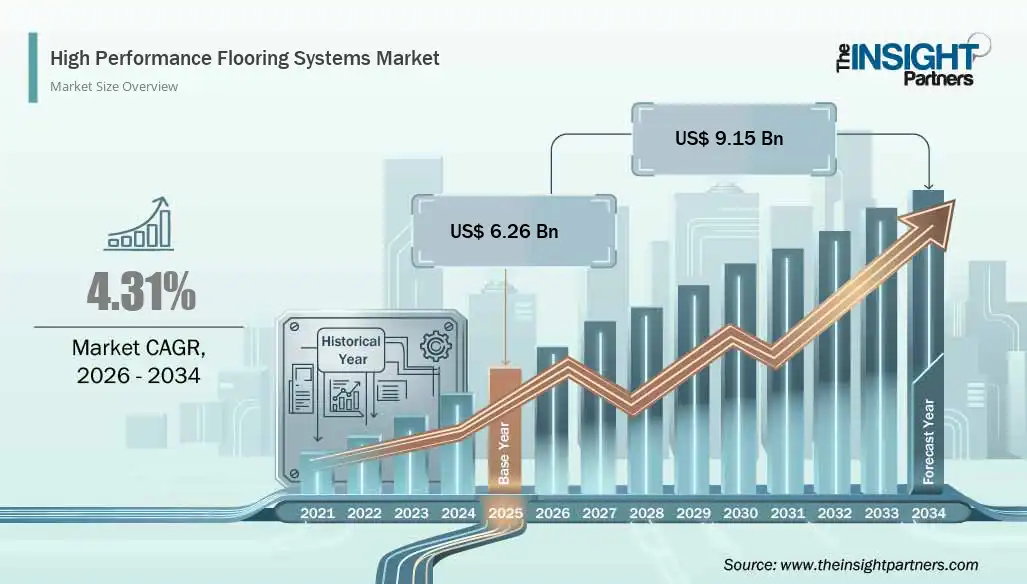
The global High Performance Flooring Systems Market is projected to grow from US$ 6.26 Billion in 2025 to US$ 9.15 Billion by 2034, registering a CAGR of 4.31% over the 2026–2034 forecast period. Market overview High-performance flooring systems engineered coatings, polymer-modified cementitious systems, epoxy and polyurethane...
Managing a modern business involves juggling various liabilities, but few are as unpredictable or potentially devastating as environmental hazards. Many business owners mistakenly believe that their general liability insurance covers every mishap on their property. However, standard policies often contain absolute pollution exclusions. This gap in protection can leave a company vulnerable to...